








Login to Internet banking
A brand-new experience - smarter, faster, and secured



You gain a dedicated partner committed to helping you reach your full potential and achieve new heights
Know More

BRAVO (Auto Sweep)
Convert the idle funds in your current account into a fixed deposit with the BRAVO feature.
Know More
Zero Forex Markup Current Account
Maximise your savings and boost profitability with our Zero Forex Markup current accounts
Know More



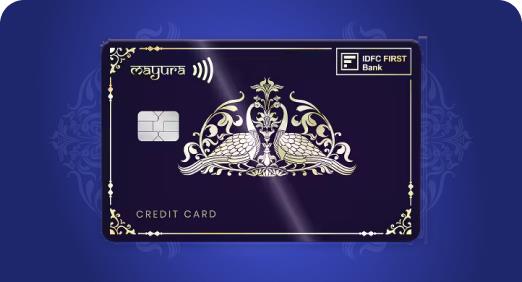

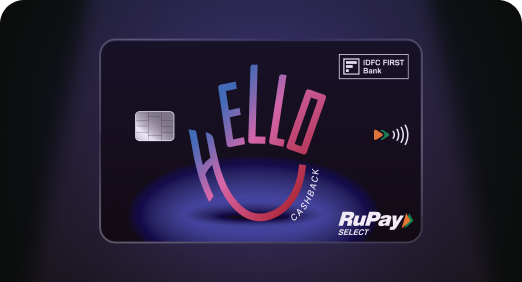
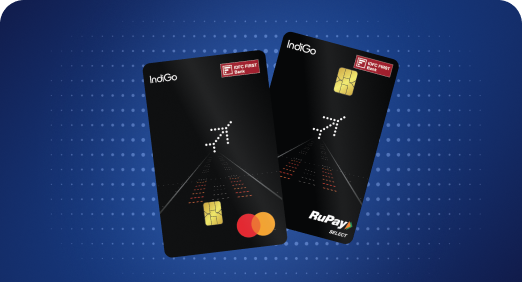

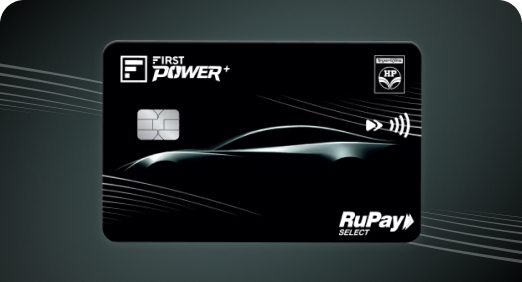
A Card that Powers your Savings & Lifestyle
IDFC FIRST Bank HPCL Credit Card









Most Searched
Earn up to 7% interest on your Savings Account
Open Account Now
Download our app
Get instant help for all your queries in one place
Unlock features, exclusively available
only on the IDFC FIRST Bank app
Trusted by 1.2+ million Indians.


4.8

4.8

Tools & Calculators
Privilege Program



Tools & Calculators

Unlock features, exclusively available
only on the IDFC FIRST Bank app
While a credit card is convenient to use, one needs to be careful while using it. Please read on to learn the merits and demerits of credit cards.
After you initiate a transaction with your bank, you will have to verify your information. Once your information is verified, your transaction will either be authorised or declined by the bank. If your transaction is authorised, your bank will pay the merchant.
As soon as the month ends, you will receive a statement from your bank that shows all the purchases you have made with your credit card. You will also be able to see whether any charges or interest from the previous billing have been carried forward.
As with a coin, credit cards have both sides. If you're wondering whether you should apply for a credit card, keep in mind that if you use it properly, a credit card won't hurt your finances. Instead, conscious use of a credit card can assist you in enhancing your financial health. Conversely, careless use can cause you financial harm. You must consider both the advantages and disadvantages of a credit card before signing up for one:
Here are some of the benefits associated with credit cards:
A major advantage of credit cards is that you don't have to carry cash. If you are making expensive purchases, instead of carrying cash, you can carry a credit card in your wallet and then repay the credit card bill later. You can also convert high-value purchases into manageable EMIs with credit cards. Credit cards from IDFC FIRST Bank, for instance, allow you to split payments into EMIs.
Credit cards come with another major benefit. Your credit score will increase if you pay your credit card bill on time, which helps you build a credit history. Since banks are known for checking your credit history before approving your loan application, a high credit score will ease your loan application process. If your credit score is high, your loan application will be approved.
Timely payment of your credit card bill will help you manage your credit score between 740 and 799, which is considered a decent credit score.
A statement of your credit card is sent by the bank every month. With this bill, you can analyze your spending habits and decide where you need to limit them. Some companies also send you a year-end summary of your expenditures that may be helpful when filing taxes.
Listed below are some of the demerits of credit cards:
As opposed to debit cards, credit cards offer a high credit limit, so you may end up making unnecessary purchases, leading to debt traps later on. In order to prevent overspending, it is important that you don't spend more than 50%-60% of your credit limit. Additionally, if you are frugal about unnecessary expenses, you will be able to avoid overspending as well.
In some cases, credit cards are charged a very high interest rate on the billed amount. Although this can result in high debts, it is important to note that high interest is only charged in cases of late payments. You can eliminate high interest charges if you pay your credit card bill on time.
If you are considering getting a credit card, you should first analyze your needs. After that, weigh the advantages and disadvantages of a credit card and then apply for it online or offline.
Disclaimer
The contents of this article/infographic/picture/video are meant solely for information purposes. The contents are generic in nature and for informational purposes only. It is not a substitute for specific advice in your own circumstances. The information is subject to updation, completion, revision, verification and amendment and the same may change materially. The information is not intended for distribution or use by any person in any jurisdiction where such distribution or use would be contrary to law or regulation or would subject IDFC FIRST Bank or its affiliates to any licensing or registration requirements. IDFC FIRST Bank shall not be responsible for any direct/indirect loss or liability incurred by the reader for taking any financial decisions based on the contents and information mentioned. Please consult your financial advisor before making any financial decision.
The features, benefits and offers mentioned in the article are applicable as on the day of publication of this blog and is subject to change without notice. The contents herein are also subject to other product specific terms and conditions and any third party terms and conditions, as applicable. Please refer our website www.idfcfirst.bank.in for latest updates.