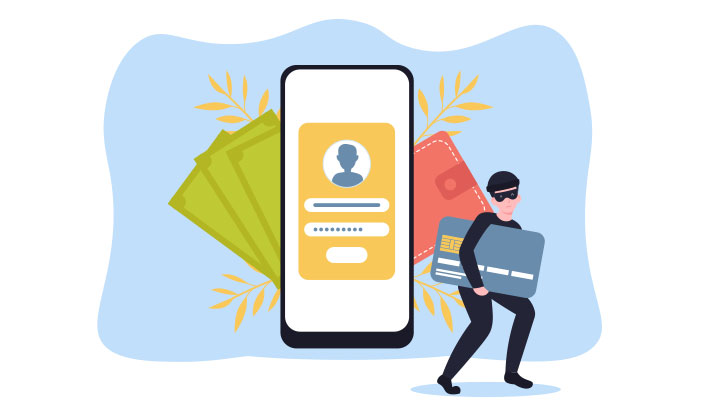









Login to Internet banking
A brand-new experience - smarter, faster, and secured





You gain a dedicated partner committed to helping you reach your full potential and achieve new heights
Know More

BRAVO (Auto Sweep)
Convert the idle funds in your current account into a fixed deposit with the BRAVO feature.
Know More
Zero Forex Markup Current Account
Maximise your savings and boost profitability with our Zero Forex Markup current accounts
Know More



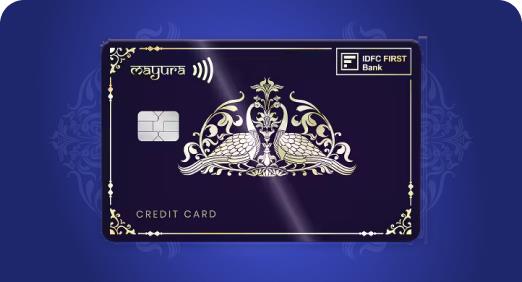

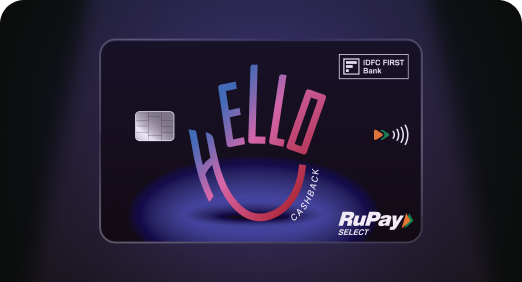

A Card that Powers your Savings & Lifestyle
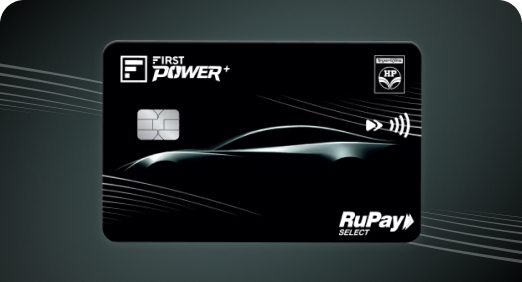
IDFC FIRST Bank HPCL Credit Card









Most Searched
Earn up to 7% interest on your Savings Account
Open Account Now
Download our app
Get instant help for all your queries in one place
Unlock features, exclusively available
only on the IDFC FIRST Bank app
Trusted by 1.2+ million Indians.


4.8

4.8

Tools & Calculators
Privilege Program



Tools & Calculators

Unlock features, exclusively available
only on the IDFC FIRST Bank app
Credit Card
 Credit card fraud can happen through methods like phishing, skimming, and SIM swap, often without your physical card being used.
Staying alert with transaction notifications and regularly checking statements can improve credit card fraud detection and help you act quickly.
Choosing a secure provider like IDFC FIRST Bank gives you added protection through advanced security features and reliable customer support.
Credit card fraud can happen through methods like phishing, skimming, and SIM swap, often without your physical card being used.
Staying alert with transaction notifications and regularly checking statements can improve credit card fraud detection and help you act quickly.
Choosing a secure provider like IDFC FIRST Bank gives you added protection through advanced security features and reliable customer support.
Today, thanks to our digital economy, payments happen in seconds, but so does fraud. According to a 2026 report by the Indian Cyber Crime Coordination Centre, Indians have lost over ₹52,976 crore to cyber frauds over the last six years, with banking and card-related fraud accounting for a significant share.
As a credit card user, this is not something you can afford to ignore. The good news? A little awareness and a few smart habits can go a long way in protecting your money from credit card fraud.
Read on to know what credit card fraud may include and how you can prevent getting caught in one.
Credit card fraud can happen when someone uses your card details without your permission to make transactions or withdrawals. This could happen online, over the phone, or even through physical card misuse.
Unfortunately, there are many ways in which one may fall victim to a credit card scam. A few of them are explained below in the hope that they will help you keep an eye out for these frauds.
Credit card skimming is a type of credit card fraud in which credit card information is stolen using a small electronic device known as a 'skimmer.' A card is swiped through the ‘skimmer,' which captures and stores data from the magnetic strip on the credit card. This information can then be duplicated onto a blank magnetic strip for a credit card.
The information is utilised to make withdrawals from the bank account or to make unathorized purchases with the credit card details. Individuals should be careful when using their credit cards. They should also avoid putting their credit card in a slot that appears strange or unusual. Chip-based cards are far more secure than their magnetic stripe counterparts.
Phishing is a form of credit card fraud in which the cardholder receives an email from a supposedly reputable financial organisation or bank they are familiar with. When a cardholder clicks on a link in the email, they are taken to a bogus website that asks for personal information. Most people fall for this scam because the URL they receive in the mail appears legitimate. Banks typically do not ask for sensitive details like OTPs, PINs, or CVV over email, SMS, or calls.
Anyone who receives such an email or SMS should notify their bank or card issuer as soon as possible. Doing this will ensure you are not caught in a trap. Also, stay vigilant about the messages and emails you receive and exercise caution before responding. Do not click on links if the emails look suspicious.
Keystroke capturing is a form of credit card fraud in which people are tricked into downloading malicious software. Identity thieves or hackers can record the cardholder's keystrokes as they type in their credit card information. They use these details to make online purchases with the stolen credit card information.
Cardholders must have antivirus software installed on their laptops and devices to prevent this type of credit card fraud. It helps prevent malware and spyware. Additionally, one must always remember that secure websites begin with HTTPS. Only these websites should be used to make online credit card transactions. Also, if the HTTPS is red rather than green, the site should be considered unsafe.
In the event of SIM swap fraud, a cybercriminal would call a mobile operator, pretending to be a cardholder. The scammer will then request a duplicate SIM card, with the cell operator deactivating the original cardholder’s genuine number. The scammer would use the SIM to generate an OTP and execute online transactions.
If you feel you have been a victim of this fraud, notify the mobile operator right away. If your phone suddenly stops working or you receive a warning about a duplicate SIM request, inform the appropriate authorities immediately.
Credit card providers are always looking for ways to better protect your card. Many online transactions require OTP authentication sent to your registered mobile number. This ensures no one can access your card without your approval.
You can also take steps to prevent fraudulent activity on your credit card. Never share your CVV (Card Verification Value) with anyone. It is a unique number that protects your card against fraudulent activity on the Internet. If you have lost your credit card, block it immediately by calling customer support.
It’s important to catch credit card fraud early before it leads to bigger losses. Often, there are small red flags that people overlook.
Watch out for these signs:
If something feels off, trust your instinct. Even a single suspicious alert is enough to take action. Don’t wait for multiple signs to confirm it.
Quick action can make a big difference when dealing with credit card fraud. The sooner you respond, the lower your financial risk.
Here’s what you should do right away:
Acting within minutes can prevent further misuse and improve your chances of recovering the amount.
Prevention is always easier and less stressful than dealing with credit card fraud later. A few mindful habits can go a long way in keeping your card safe.
Follow these practical steps:
These simple practices not only protect you but also enable you to detect credit card fraud, allowing you to spot risks before they escalate.
Virtual credit cards are temporary, digital versions of your card with limited validity or usage. Even if someone gets access to these details, they can’t reuse them. Together, these tools add an extra layer of security to your transactions.
Credit card fraud can occur through multiple channels, but simple precautions such as protecting your card details, regularly monitoring transactions, and acting quickly on suspicious activity can reduce your risk.
At IDFC FIRST Bank, a customer-first approach extends to how your credit card transactions are protected. The bank uses advanced monitoring systems to track credit card transaction patterns and identify unusual activity in real time. This integrated approach helps detect potential risks early and adds an extra layer of security to your card usage. Combined with instant alerts and responsive support, it enables customers to stay informed and take timely action when needed.
Apply for your IDFC FIRST Bank Credit Card online today and stay protected with the tips shared above.
Yes, contactless payments are generally safe, as they use encrypted technology and have transaction limits. For small purchases, they don’t require a PIN, which makes them convenient. However, it’s advisable to keep your card secure and disable contactless payments if you don’t use the feature often.
In most cases, your liability depends on how quickly you report credit card fraud. If you inform your bank immediately after noticing suspicious activity, your liability is usually minimal or zero, as per RBI guidelines. However, delayed reporting may increase your responsibility for the loss.
Yes, if fraudulent transactions go unnoticed and remain unpaid, they may have an impact on your credit score. However, if you report the issue promptly and the bank resolves it, your score is usually not affected.
The contents of this article/infographic/picture/video are meant solely for information purposes. The contents are generic in nature and for informational purposes only. It is not a substitute for specific advice in your own circumstances. The information is subject to updation, completion, revision, verification and amendment and the same may change materially. The information is not intended for distribution or use by any person in any jurisdiction where such distribution or use would be contrary to law or regulation or would subject IDFC FIRST Bank or its affiliates to any licensing or registration requirements. IDFC FIRST Bank shall not be responsible for any direct/indirect loss or liability incurred by the reader for taking any financial decisions based on the contents and information mentioned. Please consult your financial advisor before making any financial decision.
The features, benefits and offers mentioned in the article are applicable as on the day of publication of this blog and is subject to change without notice. The contents herein are also subject to other product specific terms and conditions and any third party terms and conditions, as applicable. Please refer our website www.idfcfirst.bank.in for latest updates.


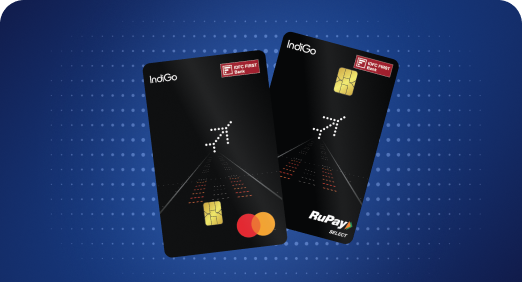
Earn IndiGo BluChips | Redeem on IndiGo flights | Power of Dual cards | 1.49% Forex Mark Up

Lounge access, 10X Reward, ₹4000 cashback, Zero Forex, Spa, Golf access

1% Forex, 10X rewards, Lounge, Spa, Golf and Movies

Buy-1-Get-1 Movie ticket offers, airport lounge access, 1.5% forex markup, railway lounge visits






Earn IndiGo BluChips | Redeem on IndiGo flights | Power of Dual cards | 1.49% Forex Mark Up
Know MoreLounge access, 10X Reward, ₹4000 cashback, Zero Forex, Spa, Golf access
Know MoreBuy-1-Get-1 Movie ticket offers, airport lounge access, 1.5% forex markup, railway lounge visits
Know MoreLounge access, 10X Reward, ₹4000 cashback, Zero Forex, Spa, Golf access
Know MoreFuel Card, 5% fuel savings, 2.5% Grocery & Utility Savings, 0 interest cash
Know MoreZero Annual Fee, Complimentary airport lounge access, Low forex mark-up at 1.99%, Buy-1-Get-1 Movie ticket offers
Know More