








Login to Internet banking
A brand-new experience - smarter, faster, and secured



You gain a dedicated partner committed to helping you reach your full potential and achieve new heights
Know More
BRAVO (Auto Sweep)
Convert the idle funds in your current account into a fixed deposit with the BRAVO feature.
Know More
Zero Forex Markup Current Account
Maximise your savings and boost profitability with our Zero Forex Markup current accounts
Know More



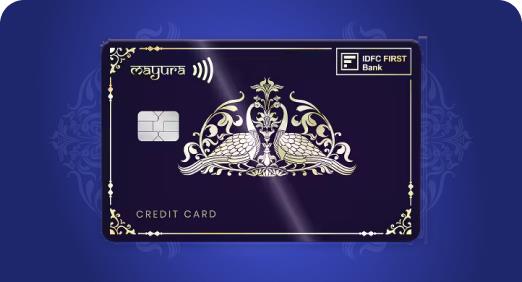

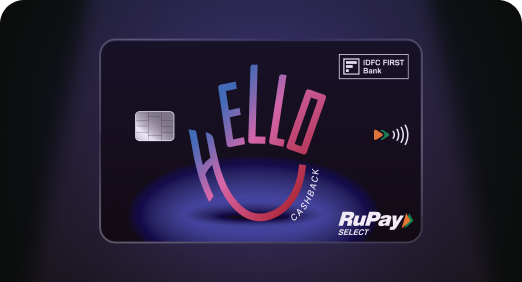

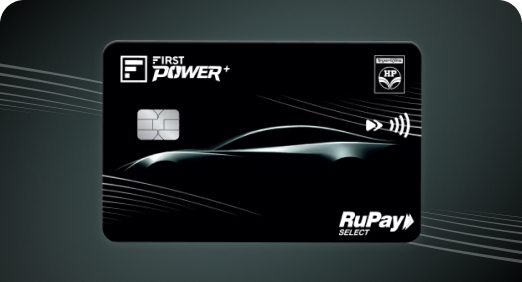
A Card that Powers your Savings & Lifestyle
IDFC FIRST Bank HPCL Credit Card









Most Searched
Earn up to 7% interest on your Savings Account
Open Account Now
Download our app
Get instant help for all your queries in one place
Unlock features, exclusively available
only on the IDFC FIRST Bank app
Trusted by 1.2+ million Indians.


4.8

4.8

Tools & Calculators
Privilege Program



Tools & Calculators

Unlock features, exclusively available
only on the IDFC FIRST Bank app
Credit Card
 The ‘minimum amount due’ on a credit card is a percentage of the total outstanding credit card balance of an individual.
Paying the minimum amount due helps avoid late payment fees and prevents immediate negative reporting due to missed payments.
It is not advisable for credit cardholders to only pay the minimum amount due, as it can lead to an accumulation of interest, leading to a more expensive repayment of dues.
To avoid late payment fees, cardholders can automate their credit card bill payments, pay the minimum amount due, and regularly check their credit card statements.
The ‘minimum amount due’ on a credit card is a percentage of the total outstanding credit card balance of an individual.
Paying the minimum amount due helps avoid late payment fees and prevents immediate negative reporting due to missed payments.
It is not advisable for credit cardholders to only pay the minimum amount due, as it can lead to an accumulation of interest, leading to a more expensive repayment of dues.
To avoid late payment fees, cardholders can automate their credit card bill payments, pay the minimum amount due, and regularly check their credit card statements.
When choosing a credit card, most people focus on interest rates and rewards. But there is one more term worth understanding before you start spending: the minimum amount due.
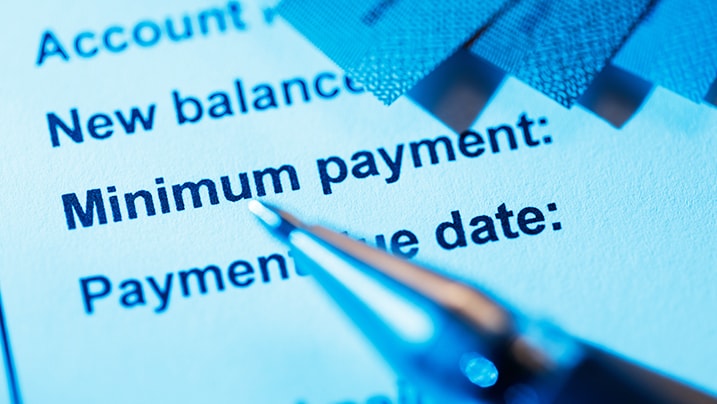
The minimum amount due is the lowest amount you must pay by the due date to avoid late payment fees and keep your account in good standing. You can find it on your monthly credit card statement along with your total outstanding balance and payment due date.
To never miss a payment, set up autopay on the IDFC FIRST Bank Mobile Banking App and your minimum due will be cleared automatically every month.
The minimum amount due is a percentage of your total outstanding balance that you must pay by the due date to avoid penalties and keep your account in good standing.
Example:
If your outstanding balance is ₹30,000 and the minimum payment percentage is 5%, your minimum amount due is ₹1,500.
Paying ₹1,500 helps you avoid late payment fees for that cycle.
The remaining ₹28,500 is not written off. It carries forward with interest applied from the transaction date.
Not paying even the minimum amount due will negatively impact your credit score.
The minimum amount due is not a way to clear your debt. It is simply the floor below which you should never fall.
The minimum amount due is a percentage of your total outstanding balance. For example, if the minimum payment percentage is 5%, here is how it would be calculated across different balance amounts.
| Total Outstanding Balance | Minimum Payment Percentage | Minimum Amount Due |
| ₹10,000 | 5% | ₹500 |
| ₹20,000 | 5% | ₹1,000 |
| ₹50,000 | 5% | ₹2,500 |
The higher your outstanding balance, the higher your minimum amount due. If you pay only the minimum amount due and carry the remaining balance forward, interest charges will apply on the unpaid amount. Late payment fees apply separately only if the minimum amount due is not paid by the due date.
The minimum amount due is a fixed percentage of your total outstanding balance at the end of every billing cycle, set by your bank in advance.
You avoid late payment charges for that billing cycle.
Your credit score is not negatively impacted in the short term.
Your account stays in good standing with the bank.
The unpaid portion attracts interest from the transaction date.
Most of your minimum payment goes towards clearing interest, not the principal.
Your principal balance does not reduce unless you pay more than the minimum.
Paying the minimum amount due on your credit card is essential to keep your account in good standing and avoid unnecessary complications. It acts as a safety net when you are unable to pay the full outstanding balance in a billing cycle.
Avoid late payment fees
Paying at least the minimum amount due on time means you never have to worry about late payment charges adding to your outstanding balance.
Protect your credit score
Timely payment of the minimum due ensures your repayment record stays positive, which is crucial for maintaining a healthy credit profile.
Keep your account in good standing
Paying on time helps you maintain a good relationship with your bank and keeps your credit card active without restrictions.
Manage your credit utilisation
Staying on top of your minimum payments helps you keep your credit utilisation ratio in check, which has a direct impact on your credit score over time.
You might be faced by several financial risks if you choose to only pay the minimum amount due on your credit card –
Here are some tips you can follow to avoid late payment fees and also improve your credit score –
Understanding the concept of the minimum amount due on your credit card is essential for maintaining financial discipline and a strong credit profile. While paying this amount can help you avoid late payment fees and safeguard your credit score in the short term, it is not a long-term solution. To prevent accumulating interest and prolonged debt, always aim to pay more than the minimum due or the total due amount. IDFC FIRST Bank's online payment features, such as autopay, internet banking, and UPI, can simplify timely payments, ensuring financial well-being. Enjoy exclusive privileges with IDFC FIRST Bank credit cards without the worry of missing out on payments.
The minimum amount due is the lowest amount you must pay by the due date to keep your credit card account in good standing. It is usually a small percentage of your total outstanding balance, along with any EMI instalments, interest, and applicable charges. Paying this amount helps you avoid late payment penalties.
It is generally calculated as 5% of the total outstanding balance, and includes EMIs, interest charges, fees, and GST, if applicable. For example, if your total outstanding is ₹20,000, the minimum due may be around ₹1,000, excluding other charges. The exact calculation may vary by issuer.
If you pay only the minimum amount, the remaining balance is carried forward to the next billing cycle. Interest is charged on this unpaid amount from the transaction date, increasing your overall debt. Over time, this can lead to a higher financial burden due to compounding interest.
Paying at least the minimum due on time can help maintain your credit score, due to the avoidance of late payment reporting. However, consistently paying only the minimum may indicate higher credit dependency, which can indirectly impact your credit profile over time.
To avoid late fees on your credit card, always pay at least the minimum amount due before the due date. Setting up auto-debit instructions, payment reminders, or calendar alerts can help ensure timely payments. Ideally, paying the complete outstanding amount is recommended to avoid interest charges altogether.
The features, benefits and offers mentioned in the article are applicable as on the day of publication of this blog and is subject to change without notice. The contents herein are also subject to other product specific terms and conditions and any third party terms and conditions, as applicable. Please refer our website www.idfcfirst.bank.in for latest updates.


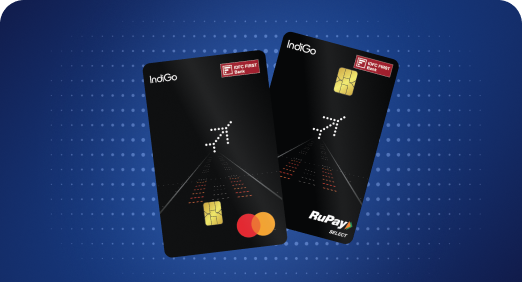
Earn IndiGo BluChips | Redeem on IndiGo flights | Power of Dual cards | 1.49% Forex Mark Up

Movie discounts, Lounge, ₹2000 cashback, 1% Forex Fee, Golf, Spa access

FD Credit Card, 1% UPI Cashback, 25% Off on Movie Tickets

Zero Annual Fee, 25% OFF on movie tickets, 1% fuel surcharge, 300+ merchant offers, Instant EMI Conversions






Earn IndiGo BluChips | Redeem on IndiGo flights | Power of Dual cards | 1.49% Forex Mark Up
Know MoreZero Annual Fee, 25% OFF on movie tickets, 1% fuel surcharge, 300+ merchant offers, Instant EMI Conversions
Know More