








Login to Internet banking
A brand-new experience - smarter, faster, and secured



BRAVO (Auto Sweep)
Convert the idle funds in your current account into a fixed deposit with the BRAVO feature.
Know More

Zero Forex Markup Current Account
Maximise your savings and boost profitability with our Zero Forex Markup current accounts
Know More
BRAVO (Auto Sweep)
Convert the idle funds in your current account into a fixed deposit with the BRAVO feature.
Know More

You gain a dedicated partner committed to helping you reach your full potential and achieve new heights
Know More





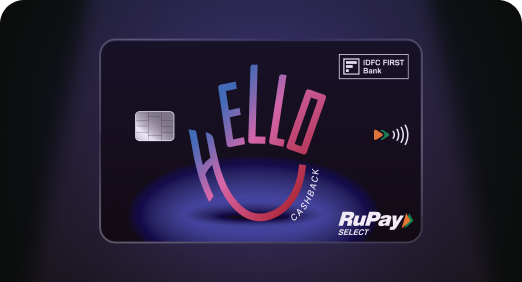

Enjoy Zero Forex on all IDFC FIRST Bank Credit Cards
Save more on all international spends
Know More
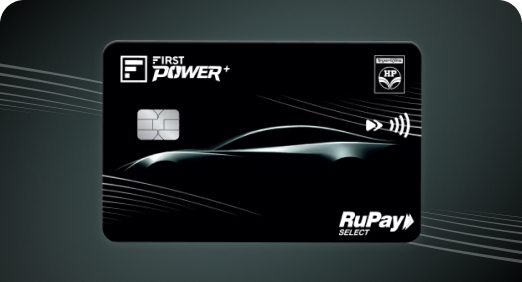
A Card that Powers your Savings & Lifestyle
IDFC FIRST Bank HPCL Credit Card









Most Searched
Earn up to 7% interest on your Savings Account
Open Account Now
Download our app
Get instant help for all your queries in one place
Unlock features, exclusively available
only on the IDFC FIRST Bank app
Trusted by 1.2+ million Indians.


4.8

4.8

Tools & Calculators
Privilege Program



Tools & Calculators

Unlock features, exclusively available
only on the IDFC FIRST Bank app
Credit Card
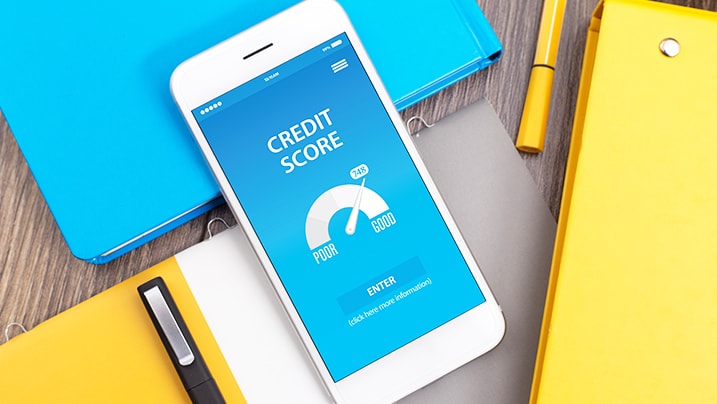
 A CIBIL score is a three-digit number between 300 and 900 that reflects your creditworthiness and plays a crucial role in loan and credit card approvals.
It is calculated based on factors such as payment history, credit utilisation, credit mix, length of credit history, and recent credit enquiries.
A strong CIBIL score helps you get faster approvals, better interest rates, higher credit limits, and exclusive pre-approved offers.
Regular monitoring, timely payments, and disciplined credit usage are essential to maintain and improve your CIBIL score effectively.
A CIBIL score is a three-digit number between 300 and 900 that reflects your creditworthiness and plays a crucial role in loan and credit card approvals.
It is calculated based on factors such as payment history, credit utilisation, credit mix, length of credit history, and recent credit enquiries.
A strong CIBIL score helps you get faster approvals, better interest rates, higher credit limits, and exclusive pre-approved offers.
Regular monitoring, timely payments, and disciplined credit usage are essential to maintain and improve your CIBIL score effectively.
Whether you are applying for a loan or a credit card, your CIBIL score plays a major role in your application and approval process. Having a good CIBIL score is essential. But what exactly is a CIBIL score and how can you find out your CIBIL score for free?
The Credit Information Bureau India Ltd. (CIBIL) is authorised by the RBI to generate a detailed credit record of an individual. A CIBIL score indicates your credit information and creditworthiness with a three-digit number, on a scale of 300-900. The CIBIL score calculation is a process that generates a score, which is the numerical indicator of your credit history. It's calculated using your loan and credit repayment history, signifying your overall financial and credit health. Banks and non-banking financial companies (NBFCs) refer to this CIBIL score when assessing your application for a loan or a credit card.
The closer you are to a score of 900, the more confidence any institution will have in you, leading to greater chances of your credit card or a loan application being approved. At IDFC FIRST Bank, a strong credit score can help you access higher credit limits, competitive interest rates, and you can apply for a credit card on better terms.
Checking your CIBIL score regularly is an important financial habit that helps you stay informed about your credit health. Whether you plan to apply for a credit card, home loan, personal loan, or vehicle loan, knowing your score beforehand allows you to assess your eligibility and avoid unexpected rejections.
Here are some key reasons to review your CIBIL score periodically:
Understanding your creditworthiness: A higher score indicates responsible credit behaviour and improves your credibility with lenders.
Improving loan and credit card eligibility: Knowing your score helps you determine your chances of approval before applying.
Identifying errors early on: Reviewing your credit report allows you to spot incorrect loan accounts, missed payment records, or unauthorised enquiries that could affect your score.
Tracking financial progress: Regular monitoring helps you understand how your repayment habits and credit utilisation influence your score over time.
Preventing identity fraud: Unrecognised accounts or enquiries on your credit report may indicate fraudulent activity, allowing you to take timely corrective action.
Monitoring your score regularly helps you make informed financial decisions and maintain a healthy credit profile.
Checking your CIBIL score online is a simple process and can be completed within a few minutes.
Step 1: Visit the official CIBIL website or any RBI-licensed, authorised credit bureau platform.
Step 2: Register using your PAN, mobile number, email ID, and other required details.
Step 3: Verify your identity using the OTP sent to your registered mobile number.
Step 4: Complete the authentication process by answering verification questions, if prompted.
Step 5: Access your dashboard to view your latest CIBIL score and detailed credit report.
After reviewing your report, carefully verify all loan accounts, repayment records, enquiries, and personal details. If you notice any discrepancies, report them immediately to the credit bureau or the respective lender for correction.
A CIBIL Score is derived from your credit report using multiple financial parameters. Understanding these factors can help you take the right steps to maintain or improve your score over time.
| Factor | What It Indicates | Impact on Score |
| Payment History | Timely repayment of dues and EMIs | Highest impact; delays reduce score |
| Credit Utilisation Ratio | Percentage of credit limit used | Lower usage reflects better control |
| Length of Credit History | Duration of active credit accounts | Longer history improves reliability |
| Credit Mix | Variety of credit (cards, loans, etc.) | Balanced mix strengthens profile |
| Recent Credit Enquiries | Frequency of new applications | Multiple enquiries in a short period can lower the score |
A balanced performance across these factors results in a healthy credit profile. You can periodically review your score using online tools that guide you on how to check CIBIL score and stay informed about your financial standing.
Understanding your score is equally important as checking it. The following table provides a general interpretation:
CIBIL Score Range |
What It Indicates |
750-900 |
Excellent credit profile with high approval chances and favourable lending terms. |
700-749 |
Good score with strong eligibility for most loans and credit cards. |
650-699 |
Fair score; approvals are possible but may involve stricter terms or higher interest rates. |
550-649 |
Low score requiring improvement is usually recommended before applying for new credit. |
Below 550 |
Poor credit profile that may lead to loan or credit card rejection. |
While lenders evaluate multiple factors before approving an application, maintaining a higher CIBIL score generally improves your chances of securing better financial products.
Improving your CIBIL score requires consistent financial discipline rather than quick fixes. Consider adopting these healthy credit practices:
Pay all EMIs and credit card bills before the due date.
Keep your credit utilisation ratio low relative to your available limit.
Avoid applying for multiple loans or credit cards within a short period.
Maintain a balanced mix of secured and unsecured credit where appropriate.
Continue using older credit accounts responsibly instead of closing them immediately.
Review your credit report regularly and raise disputes against inaccurate information.
Repay outstanding dues as early as possible to reduce your debt burden.
Avoid settling loans unless absolutely necessary, as fully closed loans reflect more positively on your credit history.
Maintaining a strong CIBIL Score can significantly enhance your financial opportunities and access to credit products.
A high score improves your eligibility for home, car, or personal loans with minimal documentation.
Lenders may offer more competitive rates, reducing your overall borrowing cost.
A strong score increases your chances of getting premium IDFC FIRST Bank credit cards like the Ashva and Mayura with higher limits and perks.
You may receive exclusive pre-approved loan and credit card offers.
Financial institutions are more likely to extend higher limits, enhancing your purchasing flexibility.
If you are unsure about your current standing, check your CIBIL score regularly through authorised platforms to stay informed.
Building and sustaining a good CIBIL Score requires consistent financial discipline. Here are some practical habits you should follow:
Ensure all credit card bills and loan EMIs are cleared before the due date in order to avoid penalties and negative reporting.
Try to use only a portion of your available credit limit to maintain a healthy utilisation ratio.
Long-standing accounts with a positive repayment history contribute positively to your score.
Avoid applying for multiple credit cards or loans within a short period, as it may signal credit dependency.
Check for discrepancies, unauthorised accounts, or errors and report them promptly.
By adopting these practices, you can maintain a strong credit profile and make the most of your IDFC FIRST Bank credit cards while ensuring long-term financial stability.
Always pay your dues on time. Whether it is paying credit card bills or repayment of loans, ensure timely payments to get a good record in your CIBIL report.
Understanding and regularly monitoring your CIBIL score is essential for maintaining financial health and improving your access to credit. By practising disciplined credit behaviour, such as paying dues on time and managing utilisation wisely, you can strengthen your credit profile. A strong score not only enhances your eligibility for loans and credit cards but also ensures better financial opportunities, helping you achieve your long-term financial goals with confidence and ease.
If you are looking to build or strengthen your credit profile, IDFC FIRST Bank Credit Cards offer options for every stage of your credit journey, from FD-backed secured cards for beginners to premium cards for established users. Explore IDFC FIRST Bank Credit Cards and find the right fit for you.
Checking your own CIBIL score is considered a soft enquiry and does not affect your credit score. Only hard enquiries made by lenders while evaluating a credit application may have a temporary impact.
Your score generally updates within 30 to 45 days, depending on when the lender reports the latest repayment information to the credit bureau.
PAN is the most used identity document for accessing your CIBIL score. While some authorised platforms may allow alternative identity verification, providing your PAN usually ensures accurate retrieval of your credit report and score.
The contents of this article/infographic/picture/video are meant solely for information purposes. The contents are generic in nature and for informational purposes only. It is not a substitute for specific advice in your own circumstances. The information is subject to updation, completion, revision, verification and amendment and the same may change materially. The information is not intended for distribution or use by any person in any jurisdiction where such distribution or use would be contrary to law or regulation or would subject IDFC FIRST Bank or its affiliates to any licensing or registration requirements. IDFC FIRST Bank shall not be responsible for any direct/indirect loss or liability incurred by the reader for taking any financial decisions based on the contents and information mentioned. Please consult your financial advisor before making any financial decision.
The features, benefits and offers mentioned in the article are applicable as on the day of publication of this blog and is subject to change without notice. The contents herein are also subject to other product specific terms and conditions and any third party terms and conditions, as applicable. Please refer our website www.idfcfirst.bank.in for latest updates.


Earn IndiGo BluChips | Redeem on IndiGo flights | Power of Dual cards | Zero Forex Mark Up

Lounge access, 10X Reward, ₹4000 cashback, Zero Forex Fee, Spa, Golf access

Zero Forex Fee, 10X rewards, Lounge, Spa, Golf and Movies

Buy-1-Get-1 Movie ticket offers, airport lounge access, zero forex markup, railway lounge visits









Earn IndiGo BluChips | Redeem on IndiGo flights | Power of Dual cards | Zero Forex Mark Up
Know MoreLounge access, 10X Reward, ₹4000 cashback, Zero Forex Fee, Spa, Golf access
Know MoreBuy-1-Get-1 Movie ticket offers, airport lounge access, zero forex markup, railway lounge visits
Know MoreLounge access, 10X Reward, ₹4000 cashback, Zero Forex Fee, Spa, Golf access
Know MoreFuel Card, 5% fuel savings, 2.5% Grocery & Utility Savings, 0 interest cash
Know MoreZero Annual Fee, Complimentary airport lounge access, zero forex mark-up, Buy-1-Get-1 Movie ticket offers
Know More