








Login to Internet banking
A brand-new experience - smarter, faster, and secured



You gain a dedicated partner committed to helping you reach your full potential and achieve new heights
Know More
BRAVO (Auto Sweep)
Convert the idle funds in your current account into a fixed deposit with the BRAVO feature.
Know More
Zero Forex Markup Current Account
Maximise your savings and boost profitability with our Zero Forex Markup current accounts
Know More



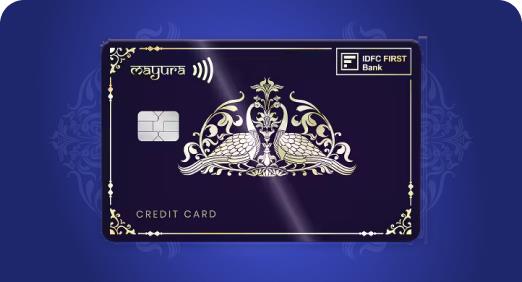
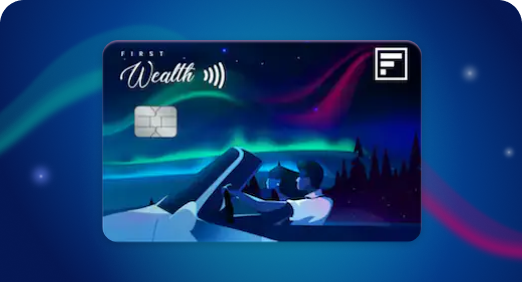
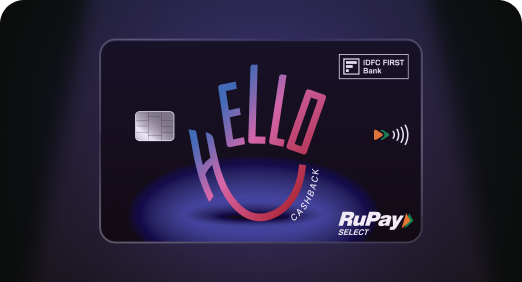
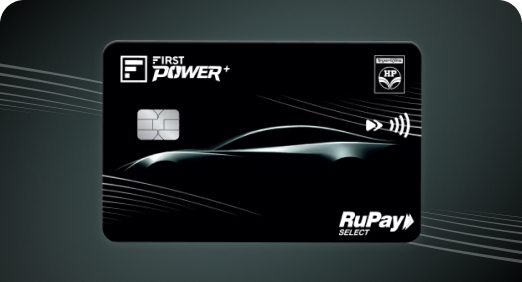
A Card that Powers your Savings & Lifestyle
IDFC FIRST Bank HPCL Credit Card









Most Searched
Earn up to 7% interest on your Savings Account
Open Account Now
Download our app
Get instant help for all your queries in one place
Unlock features, exclusively available
only on the IDFC FIRST Bank app
Trusted by 1.2+ million Indians.


4.8

4.8

Tools & Calculators
Privilege Program



Tools & Calculators

Unlock features, exclusively available
only on the IDFC FIRST Bank app
Credit Card
 If your credit card limit is maxed out, don’t panic. Stop using the card and focus on how to pay off credit card debt by creating a clear repayment plan and cutting back on unnecessary expenses.
When your bill feels overwhelming, paying more than the minimum due, converting the balance into EMIs, or using a balance transfer can help you reduce interest and clear your dues faster.
If you’re looking for more flexible repayment options, IDFC FIRST Bank Credit Cards offer features like EMI conversion, balance transfers, and interest rates starting from 9% p.a., which can help you manage and repay your credit card bill more comfortably.
If your credit card limit is maxed out, don’t panic. Stop using the card and focus on how to pay off credit card debt by creating a clear repayment plan and cutting back on unnecessary expenses.
When your bill feels overwhelming, paying more than the minimum due, converting the balance into EMIs, or using a balance transfer can help you reduce interest and clear your dues faster.
If you’re looking for more flexible repayment options, IDFC FIRST Bank Credit Cards offer features like EMI conversion, balance transfers, and interest rates starting from 9% p.a., which can help you manage and repay your credit card bill more comfortably.
Seeing a credit card statement that’s close to your limit can worry you. The balance looks difficult to clear, and interest charges may already be building. When your card reaches its limit, it can affect more than just your budget. Even your credit score may take a hit, especially due to high credit utilisation.
The good news is that you still have options. Understanding how to pay off credit card debt with a few practical steps can help you regain control of your finances.
Let’s go through what happens when your credit card limit is maxed out and show you how to repay your credit card bill comfortably.
A credit limit is the total amount of credit you have access to with your credit card. When you max out your credit card limit and no longer have any credit available, credit card companies usually block all additional transactions on that card.
When your credit card limit is maxed out, it means you’ve used up the entire amount of credit available on your card.
For example, if your credit card limit is ₹1,00,000 and your total outstanding balance reaches ₹1,00,000, the card is considered fully utilised. At this point, you won’t be able to make any further transactions until you repay part of the outstanding balance.
A few purchases here and there, combined with interest charges or unpaid balances, can slowly push the card toward its limit. While it may seem like just a temporary inconvenience, consistently maxing out your card can lead to –
The good news is that once you recognise the situation early, you can take steps to address it and focus on how to repay your credit card bill strategically.
If your credit card has reached its limit, the focus should now shift to managing the outstanding balance. The following steps can help you start working toward paying off your credit card debt.
With a maxed-out credit limit, your primary goal should be to pay off your debt while also avoiding interest charges. To do so, you must stop spending from your credit card. You can activate the card's lock feature (if it has one) or freeze the card. Don't spend any more on the credit card.
Evaluate whether the debt was under your control or if it was unanticipated, such as unemployment or an emergency. This will help you plan your budget more accurately. Keep track of your monthly expenses and avoid buying things you don’t need. You can begin with the basics, such as cancelling subscriptions to Over-The-Top (OTT) platforms.
Clearing credit card debt starts with knowing where your money is going. Write down your monthly income and expenses, cut back on non-essential spending, and figure out how much you can realistically put towards your dues each month.
Once you have a number in mind, pick a repayment approach that suits you. The debt avalanche focuses on the card with the highest annual percentage rate APR first, so you pay less interest overall. The debt snowball tackles the card with the smallest balance first, so you clear individual debts faster and build momentum.
Paying down debt while continuing to add to it is a losing battle. As you work through your repayment plan, put guardrails on your spending. Set transaction limits for online purchases or card swipes so new charges do not quietly undo your progress.
With IDFC FIRST Bank, these controls are available directly on the mobile app, so you can adjust limits, track transactions, and stay on top of your card usage without any extra effort.
Credit card interest rates are extremely high, contributing to large monthly payments. This is where a credit card balance transfer can help. Credit cards with a balance transfer feature may offer lower interest rates or a temporary promotional interest rate for a limited period, which lowers your payments and lets you pay off your credit card balance without a huge dent in your pocket.
Before using a credit card balance transfer, remember that you need to use the card to pay off your debts, not increase your balance.
If you’re having difficulty organising your payments, consider hiring a financial expert. A financial advisor will assist you in planning your payback and hold you accountable for following through. They may also suggest a strategic credit card management plan, which can be an effective way to address rising debt.
Once you’ve dealt with a maxed-out card, the next step is making sure you don’t end up in the same situation again. Here are some practical ways to prevent your credit card from reaching its limit:
Check your transactions regularly through your banking app or statements, so you always know how much of your credit limit you’ve used.
Try not to use your entire credit limit. Many experts recommend keeping your credit utilisation below about 30% of the limit.
Instead of waiting until the due date, paying part of your balance each month can help keep your outstanding balance low.
Spending alerts can notify you when your spending exceeds a specified limit, helping you stay aware of your card usage.
Use your card mainly for purchases you know you can comfortably repay, rather than for impulse spending.
Sometimes, using your credit card is unavoidable, whether it’s for an emergency, a large purchase, or an unexpected expense. But once the balance grows, you don’t want to let it sit and accumulate high interest. The sooner you act, the easier it becomes to manage the situation.
Here are a few practical ways to repay your credit card bill while keeping interest costs in check:
Some cards also offer repayment tools that make managing large bills easier. For example, IDFC FIRST Bank Credit Cards offer options such as easy EMI conversions and balance transfer facilities, with interest rates starting at 8.5% p.a. These features can help you manage your repayments more comfortably.
A large credit card bill may seem difficult to manage at first, but there are effective ways to deal with it without paying excessive interest. Options such as structured repayments, EMI conversions, and balance transfers can make repayment easier while helping you maintain a strong credit profile.
IDFC FIRST Bank is proud to offer credit cards with enticingly low interest rates starting at just 8.5% p.a. In addition, you can enjoy numerous other advantages. Don’t wait; apply for a credit card with IDFC FIRST Bank today and start reaping these benefits!
If your outstanding amount is too large to repay in one go, converting it into EMIs can make repayment easier. Instead of carrying forward the entire balance and paying high interest, EMIs let you spread the amount into fixed monthly instalments.
Balance transfer credit cards allow you to move your existing credit card balance to another card with lower interest or a temporary zero-interest period. This reduces the interest burden and gives you more time to repay the principal.
Increasing your credit limit can reduce your credit utilisation ratio, which may help your credit score. However, it does not reduce the actual outstanding balance. The most effective approach is still to focus on paying off credit card debt through disciplined spending and consistent repayments.
The contents of this article/infographic/picture/video are meant solely for information purposes. The contents are generic in nature and for informational purposes only. It is not a substitute for specific advice in your own circumstances. The information is subject to updation, completion, revision, verification and amendment and the same may change materially. The information is not intended for distribution or use by any person in any jurisdiction where such distribution or use would be contrary to law or regulation or would subject IDFC FIRST Bank or its affiliates to any licensing or registration requirements. IDFC FIRST Bank shall not be responsible for any direct/indirect loss or liability incurred by the reader for taking any financial decisions based on the contents and information mentioned. Please consult your financial advisor before making any financial decision.
The features, benefits and offers mentioned in the article are applicable as on the day of publication of this blog and is subject to change without notice. The contents herein are also subject to other product specific terms and conditions and any third party terms and conditions, as applicable. Please refer our website www.idfcfirst.bank.in for latest updates.


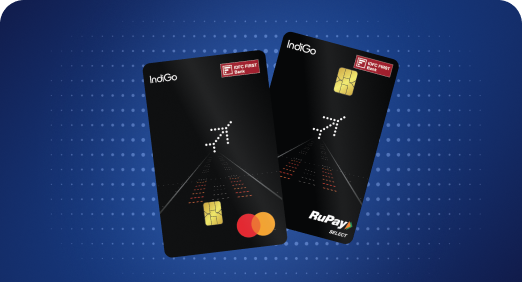
Earn IndiGo BluChips | Redeem on IndiGo flights | Power of Dual cards | 1.49% Forex Mark Up

Lounge access, 10X Reward, ₹4000 cashback, Zero Forex, Spa, Golf access

1% Forex, 10X rewards, Lounge, Spa, Golf and Movies

Buy-1-Get-1 Movie ticket offers, airport lounge access, 1.5% forex markup, railway lounge visits








Earn IndiGo BluChips | Redeem on IndiGo flights | Power of Dual cards | 1.49% Forex Mark Up
Know MoreLounge access, 10X Reward, ₹4000 cashback, Zero Forex, Spa, Golf access
Know MoreBuy-1-Get-1 Movie ticket offers, airport lounge access, 1.5% forex markup, railway lounge visits
Know MoreLounge access, 10X Reward, ₹4000 cashback, Zero Forex, Spa, Golf access
Know MoreFuel Card, 5% fuel savings, 2.5% Grocery & Utility Savings, 0 interest cash
Know MoreZero Annual Fee, Complimentary airport lounge access, Low forex mark-up at 1.99%, Buy-1-Get-1 Movie ticket offers
Know More