








Login to Internet banking
A brand-new experience - smarter, faster, and secured





You gain a dedicated partner committed to helping you reach your full potential and achieve new heights
Know More

BRAVO (Auto Sweep)
Convert the idle funds in your current account into a fixed deposit with the BRAVO feature.
Know More
Zero Forex Markup Current Account
Maximise your savings and boost profitability with our Zero Forex Markup current accounts
Know More





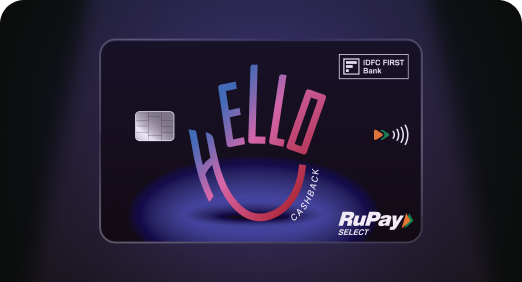

Enjoy Zero Forex on all IDFC FIRST Bank Credit Cards
Save more on all international spends
Know More
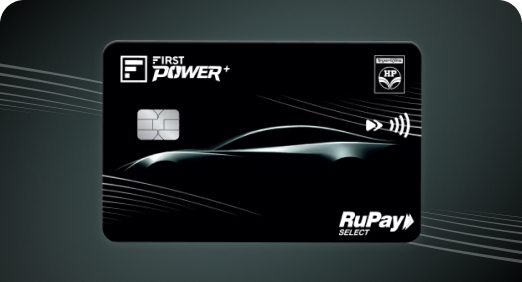
A Card that Powers your Savings & Lifestyle
IDFC FIRST Bank HPCL Credit Card









Most Searched
Earn up to 7% interest on your Savings Account
Open Account Now
Download our app
Get instant help for all your queries in one place
Unlock features, exclusively available
only on the IDFC FIRST Bank app
Trusted by 1.2+ million Indians.


4.8

4.8

Tools & Calculators
Privilege Program



Tools & Calculators

Unlock features, exclusively available
only on the IDFC FIRST Bank app
Credit Card
 A credit card can help improve your credit score when used responsibly through timely payments and low credit utilisation.
Avoiding mistakes like missed payments, high credit usage, or too many card applications protects your credit profile.
IDFC FIRST Bank Credit Cards offer features like lifetime-free options, rewards, and easy expense tracking, helping users manage their credit more responsibly.
A credit card can help improve your credit score when used responsibly through timely payments and low credit utilisation.
Avoiding mistakes like missed payments, high credit usage, or too many card applications protects your credit profile.
IDFC FIRST Bank Credit Cards offer features like lifetime-free options, rewards, and easy expense tracking, helping users manage their credit more responsibly.
Many people avoid credit cards because they believe they will damage their credit score. What they do not realise is that avoiding credit cards altogether can make it harder to build a credit history, which may impact your ability to get loans or credit in the future.
In fact, disciplined credit card usage is often considered one of the best ways to increase your credit score, especially if you are new to credit.
Let’s discuss how to improve your credit score with a credit card by using it responsibly.
A credit score is a three-digit number that represents your creditworthiness. In India, it generally ranges from 300 to 900 and reflects how responsibly you manage borrowed money.
Your credit score is calculated using factors such as:
Banks and financial institutions in India assess your creditworthiness with your credit score. Hence, a good credit score becomes a fundamental criterion for loan approvals. An individual with a low score becomes a higher risk to the lender, which can lead to loan rejections or higher interest rates. A strong credit score improves your chances of approval and helps you access better borrowing terms.
This is why learning how to improve your credit score becomes essential for anyone planning to apply for loans or credit cards in the future.
For many young professionals and first-time borrowers, a credit card is one of the best ways to build a credit score. IDFC FIRST Bank offers entry-level and FD-backed credit cards, also known as secured credit cards.
They are accessible even without a prior credit history or income proof, such as the FIRST EARN Credit Card with a minimum FD of ₹5,000 and the FIRST WOW! Credit Card with a minimum FD of ₹20,000.
Every time you use your card and pay the bill in full, the bank reports this repayment to the credit bureaus. Over time, these consistent positive reports demonstrate that you can handle credit responsibly.
Since credit cards involve revolving credit that is reported to bureaus regularly, it is no surprise that how you use them directly impacts your credit score.
By planning your expenses and finances well, you can improve your credit score using a credit card. Here are the ways credit card holders can improve their credit scores.
1. Pay off any outstanding dues
You must always clear your credit card’s outstanding balance before the due date. Timely repayment ensures no late payment charges and also improves your overall credit score.
2. Avoid owning multiple credit cards
Credit cards enhance your purchasing power, which may lead to unrestrained spending. Avoid applying for multiple credit cards within a short period, as this can lead to multiple credit enquiries and may impact your score. And you signal to lenders that you are heavily reliant on credit. As a result, you would have a greater repayment burden and, if you miss an EMI payment on any of your cards, your credit score would be negatively affected.
3. Limit credit utilisation
The maximum amount of credit you can use on every credit card is known as the credit limit. Exceeding your credit limit is not a good practice and can put you at risk of credit card debt. As a result, lenders consider such credit card holders high-risk. If you max out your credit card, you have a higher risk of defaulting on payments, which lowers your credit score. In order to maintain a healthy credit score, you should not use more than 40% of your credit limit.
4. Track your credit report
Periodically checking your credit report and statement helps you track charges, identify spending patterns, and spot any unauthorised transactions early. It helps you outline a better financial plan. In addition, you can also avoid any unauthorised payments by requesting the bank to correct them based on your assessment.
Patience is key. In most cases, responsible credit card use begins to positively affect your credit score within a few months, but significant changes can take longer depending on your profile. Some factors that could impact your time are:
While spending habits matter the most, the right credit card can make it easier to build healthy credit behaviour. Features like lower interest rates, flexible repayment options, and everyday rewards encourage responsible usage and help you learn how to improve your credit score without the risk of heavy debt accumulation.
For example, IDFC FIRST Bank Credit Cards offer several features that support disciplined credit usage:
1. Lower interest rates
Interest rates start from 8.5% per annum and can reduce further with responsible repayment behaviour. Paying your dues on time reduces borrowing costs and builds a consistent repayment record, which is one of the best ways to increase your credit score over time.
2. Never-expiring reward points
Certain IDFC FIRST Bank Credit Cards offer reward points with a longer validity period of 24 months allowing you to accumulate and redeem them at any time. This encourages regular card usage for everyday spending while maintaining timely repayments.
3. UPI-enabled credit card payments
With RuPay credit card integration, you can make UPI payments directly through your credit card. When these transactions are paid on time, even small everyday spends contribute positively to your credit activity.
4. Easy EMI conversions
Large purchases above a certain amount can be converted into manageable EMIs, helping you handle bigger expenses without disrupting your repayment discipline.
For those who are new to credit or do not yet have a credit score, IDFC FIRST Bank's FD-backed credit cards offer a practical starting point.
The FIRST EARN Credit Card is an entry-level option requiring a minimum FD of ₹5,000, with no joining fee and up to 1% cashback on UPI spends.
The FIRST WOW! Credit Card is a lifetime free card backed by a minimum FD of ₹20,000, offering zero forex markup and reward points that never expire.
The Hello Cashback Credit Card, with a first-year free offer and a minimum FD of ₹10,000, rewards online spend with up to 5% cashback.
Even though credit cards can improve your credit score, certain habits can damage it. Avoid these common mistakes:
1. Missing payment deadlines
Late payments negatively impact your credit history and remain on your credit report for years.
2. Maxing out your credit limit
Using your entire credit limit signals high dependency on borrowed money and can reduce your credit score.
3. Paying only the minimum due
Paying only the minimum amount increases your interest burden and prolongs the debt.
4. Applying for too many credit cards
Frequent credit card applications result in multiple hard inquiries, which can lower your score.
5. Ignoring credit statements
Failing to review statements may cause you to miss errors or fraudulent transactions.
Understanding how to improve your credit score starts with using your credit card responsibly. Paying dues on time, keeping your utilisation below 30%, and avoiding unnecessary debt are the habits that build a strong credit profile over time.
IDFC FIRST Bank Credit Cards support this journey with features like competitive interest rates, never-expiring reward points, and UPI-enabled payments that keep your credit activity consistent. The right card, used the right way, can be one of the most effective tools for long-term financial health.
Your credit utilisation ratio is calculated by dividing the total outstanding balance by your total credit limit. For example, if you have a limit of ₹2,00,000 and spend ₹1,00,000, your ratio is 50%. Heavy use suggests you are overly reliant on credit, which can lower your score even if you pay on time.
Yes, it can. If your spending stays the same but your limit increases, your credit utilisation ratio naturally drops. If your bank offers a limit enhancement, it is usually wise to accept it, provided you don't use it as an excuse to spend more.
Yes, closing a credit card may reduce your available credit limit and increase your credit utilisation ratio. This can temporarily lower your credit score, especially if the card has a long credit history.
A CIBIL score is just one type of credit score used in India. Specifically, the CIBIL score is a credit score calculated by TransUnion CIBIL, one of the leading credit bureaus in India. CIBIL score is also the most popular and widely used credit score in the country.
Most people use CIBIL score and credit score interchangeably because CIBIL dominates the Indian market. However, it is important to note that there are other credit bureaus in India, such as Experian and Equifax, that use their own methods to calculate credit scores.
The contents of this article/infographic/picture/video are meant solely for information purposes. The contents are generic in nature and for informational purposes only. It is not a substitute for specific advice in your own circumstances. The information is subject to updation, completion, revision, verification and amendment and the same may change materially. The information is not intended for distribution or use by any person in any jurisdiction where such distribution or use would be contrary to law or regulation or would subject IDFC FIRST Bank or its affiliates to any licensing or registration requirements. IDFC FIRST Bank shall not be responsible for any direct/indirect loss or liability incurred by the reader for taking any financial decisions based on the contents and information mentioned. Please consult your financial advisor before making any financial decision.
The features, benefits and offers mentioned in the article are applicable as on the day of publication of this blog and is subject to change without notice. The contents herein are also subject to other product specific terms and conditions and any third party terms and conditions, as applicable. Please refer our website www.idfcfirst.bank.in for latest updates.


Earn IndiGo BluChips | Redeem on IndiGo flights | Power of Dual cards | 1.49% Forex Mark Up

Lounge access, 10X Reward, ₹4000 cashback, Zero Forex, Spa, Golf access

1% Forex, 10X rewards, Lounge, Spa, Golf and Movies

Buy-1-Get-1 Movie ticket offers, airport lounge access, 1.5% forex markup, railway lounge visits









Earn IndiGo BluChips | Redeem on IndiGo flights | Power of Dual cards | 1.49% Forex Mark Up
Know MoreLounge access, 10X Reward, ₹4000 cashback, Zero Forex, Spa, Golf access
Know MoreBuy-1-Get-1 Movie ticket offers, airport lounge access, 1.5% forex markup, railway lounge visits
Know MoreLounge access, 10X Reward, ₹4000 cashback, Zero Forex, Spa, Golf access
Know MoreFuel Card, 5% fuel savings, 2.5% Grocery & Utility Savings, 0 interest cash
Know MoreZero Annual Fee, Complimentary airport lounge access, Low forex mark-up at 1.99%, Buy-1-Get-1 Movie ticket offers
Know More