









Login to Internet banking
A brand-new experience - smarter, faster, and secured





You gain a dedicated partner committed to helping you reach your full potential and achieve new heights
Know More
BRAVO (Auto Sweep)
Convert the idle funds in your current account into a fixed deposit with the BRAVO feature.
Know More
Zero Forex Markup Current Account
Maximise your savings and boost profitability with our Zero Forex Markup current accounts
Know More



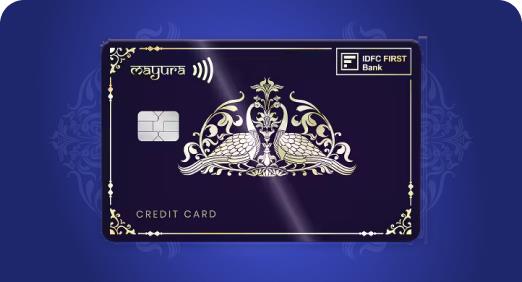


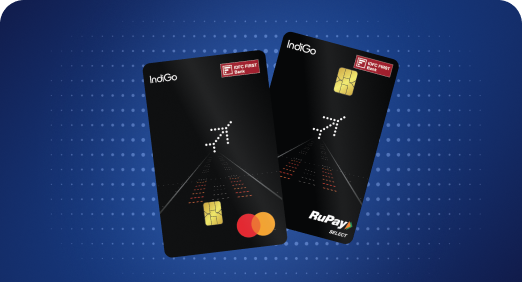

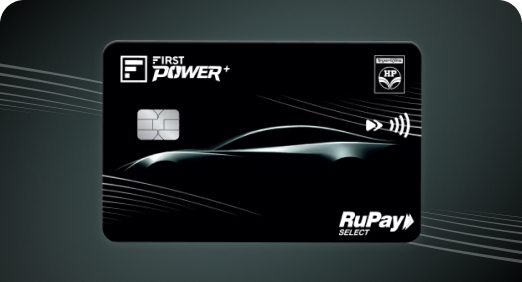
A Card that Powers your Savings & Lifestyle
IDFC FIRST Bank HPCL Credit Card









Most Searched
Earn up to 7% interest on your Savings Account
Open Account Now
Download our app
Get instant help for all your queries in one place
Unlock features, exclusively available
only on the IDFC FIRST Bank app
Trusted by 1.2+ million Indians.


4.8

4.8

Tools & Calculators
Privilege Program



Tools & Calculators

Unlock features, exclusively available
only on the IDFC FIRST Bank app
Personal Loan
 The Economic Survey 2026 highlights a steady rise in women’s workforce participation, signalling progress in India’s economic inclusion.
Increasing female labour force participation can significantly boost productivity and support long-term economic growth.
Barriers such as mobility challenges, caregiving responsibilities, and limited access to quality jobs still affect women’s sustained employment.
Policy reforms, skill development, and improved access to finance can help strengthen women’s participation in the workforce and entrepreneurship.
The Economic Survey 2026 highlights a steady rise in women’s workforce participation, signalling progress in India’s economic inclusion.
Increasing female labour force participation can significantly boost productivity and support long-term economic growth.
Barriers such as mobility challenges, caregiving responsibilities, and limited access to quality jobs still affect women’s sustained employment.
Policy reforms, skill development, and improved access to finance can help strengthen women’s participation in the workforce and entrepreneurship.
The Economic Survey is an annual report prepared by the Economic Division of the Department of Economic Affairs under the Ministry of Finance. It reviews the country’s economic performance, reforms, and key trends of the previous financial year. Presented ahead of the Union Budget, this year’s survey has focused on women’s participation and their vital role in driving economic growth.
The Economic Survey 2026 highlights a notable rise in female labour force participation in India. It increased from approximately 23.3 per cent in 2017–18 to around 35.3 per cent in 2024–25. Overall employment also expanded during this period. In the first half of 2025–26, total employment reached 56.2 crore individuals, indicating a strengthening job market. However, women’s workforce representation remains lower than men's. The survey identifies higher female participation as an important driver of productivity and long-term economic growth.
The survey emphasises that sustained growth depends on increasing women’s participation in paid employment. Despite progress in education and skill development, gaps remain in access to quality jobs, formal employment, and stable careers. Addressing these gaps is essential for inclusive and sustainable economic growth.
Recent data show notable improvements in women’s participation in India’s labour market, along with growth in women-led business establishments across sectors.
India’s Female Labour Force Participation Rate (FLFPR) increased from 23.3 per cent in 2017–18 to 41.7 per cent in 2023–24. Over the same period, the unemployment rate fell from 5.6 per cent to 3.2 per cent, reflecting improved labour market conditions.
These trends indicate greater workforce engagement among women. At the same time, ensuring sustained participation and access to quality employment remains essential.
Data from the Women and Men in India Report 2024 indicate that the share of female-headed proprietary establishments increased from 24.2 per cent in 2021–22 to 26.2 per cent in 2023–24.
A significant proportion of these establishments operate in manufacturing, which accounted for 58.4 per cent of female-headed proprietary units in 2023–24. States including West Bengal, Karnataka, Gujarat, and Andhra Pradesh report higher concentrations of these enterprises and comparatively higher female labour force participation rates.
FIRSTmoney personal loan by IDFC FIRST Bank is available for both salaried and self-employed individuals. You can get funds up to ₹15 lakh in a 100% digital manner, in as little as 10 minutes. All you need is your PAN and Aadhaar number for application and show your original PAN card during video KYC.
Although more women are entering the workforce, persistent barriers continue to limit their ability to remain in paid employment.
The Periodic Labour Force Survey (2023–24) indicates that few women with advanced degrees are employed in rural or urban areas. Higher education does not necessarily increase women's workforce participation.
In 2021–22, women made up about 43 per cent of students in STEM fields. The sectors women enter significantly influence their long-term earnings, particularly in more productive industries.
Difficulties with commuting and household responsibilities continue to affect women's ability to obtain and retain employment. A 2021 World Bank report found:
31 per cent of women cited commuting challenges as a barrier to employment
13 per cent reported childcare responsibilities as a commuting constraint
19 per cent identified domestic duties as a limiting factor
Policymakers are prioritising improvements in public transport, affordable urban housing, flexible work arrangements, and safer workplaces. Addressing these areas may help more educated women remain in the workforce.
Access to formal financial services enhances women’s economic participation. Credit availability and support from government initiatives influence workforce centry and entrepreneurship.
In addition to government initiatives, regulated financial institutions offer lending solutions based on credit assessment and repayment capacity.
For example, IDFC FIRST Bank offers FIRSTmoney personal loan which is a digital lending option that offers instant personal loans to eligible applicants.
The process is simple and 100% digital and requires no paperwork. You can apply using your PAN and Aadhaar number and complete the video-KYC by showing your original PAN card.
The loan amount offered is up to ₹15 lakh, with interest rates starting from 9.99 per cent.
You have access to funds 24x7 and can avail multiple on-demand loans without reapplying from scratch.
In case you have excess funds in the future, you can close the loan anytime with zero foreclosure charges.
Structured credit access can help women manage liquidity, address short-term funding gaps, or finance early-stage business needs, provided borrowing aligns with projected cash flows and repayment capacity.
Access to quality employment and inclusive labour policies are essential to increasing women’s participation in India’s economy. The Economic Survey 2026 reports a steady rise in female labour force participation and projects that reaching about 55 per cent by 2050 could drive sustained economic growth. This emphasises the importance of structural reforms, workforce formalisation, and better job access.
The Survey highlights that labour market reforms, such as updated labour codes, flexible work options, and stronger social security, are key to reducing barriers to women’s sustained employment. Increased participation in formal employment and vocational training is expected to improve labour market outcomes over time.
Along with policy changes, access to reliable financial services remains important. Banks like IDFC FIRST Bank provide digital banking and credit options, such as FIRSTmoney offering personal loans for women to support working capital and professional needs.
Policy priorities include improving mobility, caregiving support, workplace safety, and skill development. Expanding access in these areas can help turn increased workforce participation into stable, long-term employment for women.
The Economic Survey 2026 highlights that getting more women into the workforce is key for India’s long-term economic growth. While there has been progress, real change will need new policies, more job options, and improved financial inclusion. Along with government initiatives, women can avail the funds they need from financial institutions like IDFC FIRST Bank. With the right policies and reliable financial services, women can make lasting contributions to the economy.
According to the Economic Survey 2026, the Female Labour Force Participation Rate (FLFPR) is 35.3%.
The Economic Survey 2026 reports that women run 26.2% of proprietary establishments in India. These establishments primarily belong to the manufacturing sector.
Common hindrances to women's participation include structural barriers, limited mobility, inflexible work arrangements, and conflict with caregiving responsibilities.
The contents of this article/infographic/picture/video are meant solely for information purposes. The contents are generic in nature and for informational purposes only. It is not a substitute for specific advice in your own circumstances. The information is subject to updation, completion, revision, verification and amendment and the same may change materially. The information is not intended for distribution or use by any person in any jurisdiction where such distribution or use would be contrary to law or regulation or would subject IDFC FIRST Bank or its affiliates to any licensing or registration requirements. IDFC FIRST Bank shall not be responsible for any direct/indirect loss or liability incurred by the reader for taking any financial decisions based on the contents and information mentioned. Please consult your financial advisor before making any financial decision.
The features, benefits and offers mentioned in the article are applicable as on the day of publication of this blog and is subject to change without notice. The contents herein are also subject to other product specific terms and conditions and any third party terms and conditions, as applicable. Please refer our website www.idfcfirst.bank.in for latest updates.