









Login to Internet banking
A brand-new experience - smarter, faster, and secured



You gain a dedicated partner committed to helping you reach your full potential and achieve new heights
Know More
BRAVO (Auto Sweep)
Convert the idle funds in your current account into a fixed deposit with the BRAVO feature.
Know More
Zero Forex Markup Current Account
Maximise your savings and boost profitability with our Zero Forex Markup current accounts
Know More



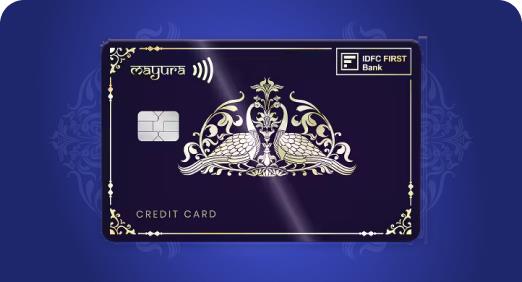

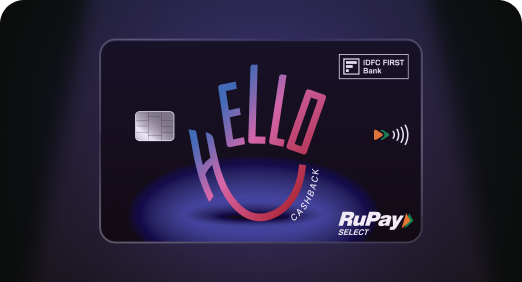
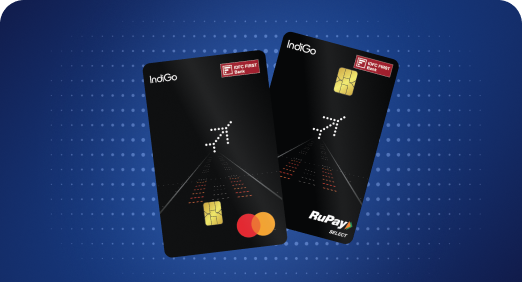
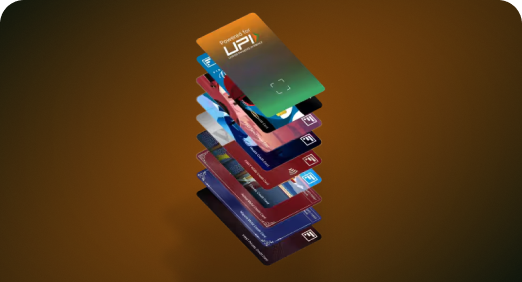
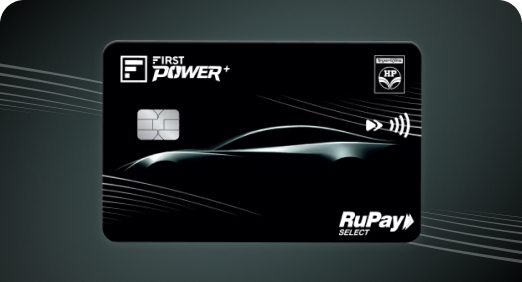
A Card that Powers your Savings & Lifestyle
IDFC FIRST Bank HPCL Credit Card









Most Searched
Earn up to 7% interest on your Savings Account
Open Account Now
Download our app
Get instant help for all your queries in one place
Unlock features, exclusively available
only on the IDFC FIRST Bank app
Trusted by 1.2+ million Indians.


4.8

4.8

Tools & Calculators
Privilege Program



Tools & Calculators

Unlock features, exclusively available
only on the IDFC FIRST Bank app
Personal Loan
 If you’ve missed a personal loan EMI, clear the payment and inform your lender immediately to avoid any penalties.
An extended period of non-payment (90+ days) can result in your loan being classified as an NPA (Non-Performing Asset).
It is ideal to use the auto-debit option to avoid missing any EMI payments.
If you’ve missed a personal loan EMI, clear the payment and inform your lender immediately to avoid any penalties.
An extended period of non-payment (90+ days) can result in your loan being classified as an NPA (Non-Performing Asset).
It is ideal to use the auto-debit option to avoid missing any EMI payments.
Missing a personal loan EMI can lead to late payment charges, higher interest costs, and a negative impact on your credit score. If the delay exceeds 90 days, your loan may be classified as a Non-Performing Asset (NPA), making future borrowing more difficult.
If you have missed an EMI payment and want to understand what this situation means for you, read on to know the impact. You will also learn the best ways to handle such a situation to avoid any serious impact on your credit score.
Missing an EMI payment can have different consequences depending on how long the delay lasts. A minor delay, such as missing the due date by a few days, is often manageable. In such cases, the EMI bounce may trigger a late payment fee and penal interest, and you’ll likely receive reminders via SMS, email, or a call from the lender. Most lenders offer a short grace period, usually from 3 to 5 days, during which you can make the payment without severe repercussions.
However, if the delay turns into a prolonged default, such as missing EMIs for 90 days or more, the impact is much more serious. After this period, the loan is usually classified as a Non-Performing Asset (NPA), and you may be marked as a loan defaulter. This significantly affects your credit score, limits your eligibility for future loans, and may even prompt the lender to take legal action.
To avoid these outcomes, it’s wise to calculate your EMI in advance using a personal loan EMI calculator, ensure sufficient balance on due dates, and maintain clear communication with your bank in case of any financial difficulty.
Defaulting on your personal loan EMI can trigger a series of financial setbacks, both immediate and long-term. Here’s how it can impact your financial profile:
Immediate consequences
1. Late payment charges
If the payment fails because you had insufficient funds in your bank account, you will incur a penalty from both the lender and your bank. Lenders may charge a late fee of 1% to 2% of the overdue EMI amount.
2. Credit score damage
Missing an EMI reflects poorly on your credit behaviour. Banks report such defaults to credit bureaus like TransUnion CIBIL, which can lead to a significant drop in your credit score. A lower score can restrict your access to future credit cards, home loans, or any form of unsecured lending.
3. Interest costs
You will continue to accrue interest on your outstanding loan amount, resulting in higher interest outflow.
4. Collection calls and legal action
Prolonged defaults may trigger frequent collection calls, visits, or even legal action. Recovery proceedings can cause significant stress and financial strain.
1. Higher interest rates in future
Once you’re marked as a defaulter, lenders view you as a high-risk borrower. This means you may only qualify for a higher personal loan interest rate or less favourable terms in the future, even if your financial situation improves.
2. Loan restructuring or settlement
If you're consistently unable to repay, the bank might offer a loan restructuring plan. This could include extending the loan tenure or temporarily reducing the EMI. Alternatively, a loan settlement may be offered, in which you repay a portion of the outstanding balance. However, settlements are reported to credit bureaus and can hurt your creditworthiness.
3. Difficulty in getting new loans
Most importantly, once you've defaulted, securing new credit becomes difficult. Even if approved, you may face strict scrutiny and conditions, such as the need for guarantors or collateral.
4. Legal action
The lender may also initiate legal action against you to recover their outstanding dues. This can be a stressful, costly, and time-consuming process.
Given these consequences, the financial impact is evident in the rapid buildup of additional costs beyond the missed EMI alone. A single delay can trigger multiple charges at once, such as late payment fees, penal interest on the overdue amount, and bounce charges if the auto-debit fails due to insufficient funds.
The impact on your credit score depends on how long the delay lasts and whether it becomes a pattern. Here’s a clear breakdown:
1. One missed EMI (short delay)
a. A single delay of a few days (within the grace period) is usually not reported to TransUnion CIBIL
b. If reported (delay beyond grace period), the impact is minor and temporary, especially if you clear dues quickly
c. Your score can recover with consistent on-time payments over the next few months
2. Repeated missed EMIs / prolonged default
a. Multiple missed payments or delays beyond 30–90 days are formally reported to TransUnion CIBIL
b. It can cause a significant drop in your credit score and mark your profile as high-risk
c. Defaults (90+ days) may lead to an NPA classification, making future loans, credit cards, or approvals much harder
One of the easiest ways to avoid missing an EMI in the first place is to line up your EMI due date with your monthly salary credit.
1. Align your EMI date with your salary date
If your EMI is due a few days after your salary is credited, you are less likely to run short of funds when the auto-debit is triggered.
2. Keep a small buffer beyond the EMI amount
Even with dates aligned, unexpected expenses can eat into your balance before the due date. Maintaining a buffer of a few days' worth of expenses in your account reduces the chance of an EMI bounce due to a shortfall.
3. Review your EMI date if your pay cycle changes
If your employer changes the salary credit date or you switch jobs, revisit your EMI date as well, so the two continue to line up and you are not caught off guard.
Small adjustments like this do not cost much to set up, but they close the gap between salary credit and EMI due date that most missed payments come down to. Do check if the lender has the provision of EMI date change.
If you’ve missed your EMI, acting quickly can reduce both financial and credit damage. Follow this practical sequence:
1. Pay the overdue amount immediately.
Make the payment right away using net banking, UPI, or your lender’s app. Clear the EMI along with any applicable charges so that additional interest does not build up and the delay does not escalate further.
2. Check charges and account status.
Log into your loan account to review any late fees, penal interest, and the updated outstanding amount. Keep a record of your payment confirmation for future reference and dispute resolution, if needed.
3. Inform your lender proactively.
Contact your lender’s customer support or raise a service request explaining the reason for the delay, such as a technical issue or temporary cash crunch. In some cases, lenders may consider waiving minor penalties if you act promptly.
4. Stabilise upcoming payments.
Set up auto-debit (NACH) or standing instructions to avoid missing future EMIs. You can also enable calendar reminders or SMS alerts and maintain a small buffer balance in your account before the due date to stay on track.
If repayment is still difficult, you can explore the solutions mentioned in the following sections.
If you ever find yourself in a tight spot due to missed payments, here are a few things you must do:
1. It’s never too late to ask for help
If you have not paid your EMI, contact your bank. Explain your situation. If it’s a genuine issue, such as a medical emergency in your family, your bank may offer to defer your payment and allow you to pay your dues in the following month. However, you must ensure that you pay both months’ EMIs on time. The bank may charge a small late payment fee.
2. Request for an extension
If you don’t think you can pay your EMI in the coming few months due to a long-term issue, such as a pay cut or job loss, it is still advisable to connect with the bank's executives and find a permanent solution. You may request a restructuring of your plan.
3. Check for a loan against investment/insurance
The next best thing to do is to take a loan against your personal assets, such as gold, fixed deposit or personal insurance. A secured loan borrowed against collateral has a lower rate of interest, so that you can pay it back later. The money you receive now can help you pay your EMIs on more expensive loans.
4. Ask for a settlement
If none of the above-mentioned options work, talk to your bank about settling the loan. This means you agree to repay a portion of the loan, and the bank considers the loan settled. While the other options do not affect your credit score, this one does. A loan that is ‘settled’ reflects negatively on your credit history more than a loan that is fully repaid.
5. Consider a balance transfer
If your EMI burden feels heavy, you may transfer your personal loan to another bank offering a lower interest rate. This reduces your monthly outgo and helps you stay on track.
Defaulting on EMIs can result in unpleasant consequences. With FIRSTmoney, IDFC FIRST Bank’s smart instant loan, you get the benefit of a customised, flexible repayment plan ranging from 9 to 60 months that is aligned with your financial situation. Plus, you won’t have to pay any foreclosure charges if you pay your loan early. Take control of your finances and experience borrowing that is tailored to your needs. Get in touch with a bank representative today.
If you miss an EMI, your account starts showing overdue days until the shortfall is cleared. During this period, late payment charges, penal interest on the overdue portion, and bounce fees may apply. The account remains marked as overdue until dues are settled. Keeping proof of repayment is useful for records. Regularising the account quickly helps reduce extra charges and avoids further escalation by the collections team.
Missing even a single EMI can be reported to the credit bureau as a delay, which might reduce your CIBIL score. The impact often depends on the duration of delay and your broader repayment history. Quickly clearing the overdue amount and ensuring future EMIs are paid on time can help stabilise your profile. Monitor your credit report after repayment to confirm that the status is updated correctly and reflects timely closure.
To avoid late payment penalties, ensure that sufficient funds are available in your account at least a day before the debit date. Set up automatic payments and enable alerts for low balances. Calendar reminders or SMS alerts also help. If your salary and EMI dates clash, ask about changing the repayment date. When switching bank accounts, update the e-mandate promptly. Maintaining a small buffer in your account can prevent missed debits.
After missing a payment, you can usually request a change to the EMI date, though this is subject to the lender's policy and requires clearing any pending dues. Fees or mandate re-registration costs may apply. Shifting the due date closer to your salary credit can reduce the chances of future delays. Make the request formally through the app, helpline, or branch, and obtain confirmation of the revised schedule for your records to avoid confusion later.
If you face repeated payment difficulties, you can contact the Bank. Each request is reviewed individually based on policy, profile, and repayment track. Formal restructuring can affect how the account is reported. Before proceeding, check the total interest impact, charges, and conditions. Always ask for written documents showing revised terms before agreeing to any change.
When an EMI bounces, fees are charged as per your sanction letter and MITC. These often include bounce charges, penal interest on the overdue portion, and applicable GST. If repayment is delayed further, late fees may also apply. The amounts and slabs differ by product and lender policy. To know the exact figure, review your welcome kit or app schedule of charges. Always clear dues promptly to reduce compounding of penalties. For the IDFC FIRST Bank personal loan, you can view the full list of fees and charges here.
Generally, if a borrower misses 3 consecutive EMIs or defaults for more than 90 days, the loan account is classified as a Non-Performing Asset (NPA). At this point, the lender may initiate legal proceedings, particularly if the loan is substantial or unsecured. Before taking legal action, most lenders issue multiple reminders and provide options such as restructuring or settlement.
A grace period is a short time window, typically 3 to 5 days after the EMI due date, during which you can pay the EMI without it being marked as a default. While interest may still accrue, lenders usually do not report the delay to credit bureaus during this period. However, penal charges or late fees may still apply. Grace periods vary by lender and loan agreement, so it’s essential to review your loan terms carefully.
The contents of this article/infographic/picture/video are meant solely for information purposes. The contents are generic in nature and for informational purposes only. It is not a substitute for specific advice in your own circumstances. The information is subject to updation, completion, revision, verification and amendment and the same may change materially. The information is not intended for distribution or use by any person in any jurisdiction where such distribution or use would be contrary to law or regulation or would subject IDFC FIRST Bank or its affiliates to any licensing or registration requirements. IDFC FIRST Bank shall not be responsible for any direct/indirect loss or liability incurred by the reader for taking any financial decisions based on the contents and information mentioned. Please consult your financial advisor before making any financial decision.
The features, benefits and offers mentioned in the article are applicable as on the day of publication of this blog and is subject to change without notice. The contents herein are also subject to other product specific terms and conditions and any third party terms and conditions, as applicable. Please refer our website www.idfcfirst.bank.in for latest updates.


Check the latest rates.

Know your total loan cost.

Estimate your EMI instantly.

Compare EMIs for multiple loan types.

See why your score matters.