









Login to Internet banking
A brand-new experience - smarter, faster, and secured





You gain a dedicated partner committed to helping you reach your full potential and achieve new heights
Know More

BRAVO (Auto Sweep)
Convert the idle funds in your current account into a fixed deposit with the BRAVO feature.
Know More
Zero Forex Markup Current Account
Maximise your savings and boost profitability with our Zero Forex Markup current accounts
Know More






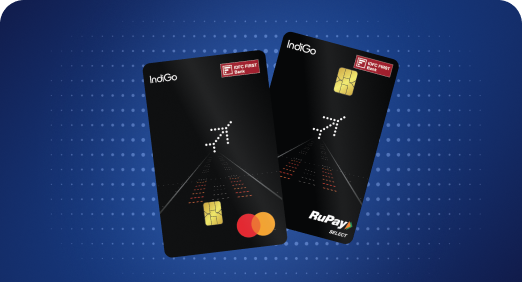


A Card that Powers your Savings & Lifestyle
IDFC FIRST Bank HPCL Credit Card









Most Searched
Earn up to 7% interest on your Savings Account
Open Account Now
Download our app
Get instant help for all your queries in one place
Unlock features, exclusively available
only on the IDFC FIRST Bank app
Trusted by 1.2+ million Indians.


4.8

4.8

Tools & Calculators
Privilege Program



Tools & Calculators

Unlock features, exclusively available
only on the IDFC FIRST Bank app
Savings Account
 Financial minimalism means cutting down on expenses and living frugally to save more
A home budget calendar can help you identify your inflows and outflows and track them regularly
You need a calendar, a list of expenses and income to draft a budget calendar
IDFC FIRST Bank Savings Account can help with budgeting and saving with attractive returns, tracking expenses and more
Financial minimalism means cutting down on expenses and living frugally to save more
A home budget calendar can help you identify your inflows and outflows and track them regularly
You need a calendar, a list of expenses and income to draft a budget calendar
IDFC FIRST Bank Savings Account can help with budgeting and saving with attractive returns, tracking expenses and more
Budgeting is one of the golden rules of financial planning. It lets you manage your finances effectively to meet your expenses and even save for your financial goals. Budgeting is a very simple process. It involves identifying your income and expenses and then allocating them to your expenses to determine savings.
In fact, budgeting and saving go hand in hand. A well-crafted home budget can help you save and invest in creating a corpus for your financial goals. So, how do you make a good home budget?
One way is financial minimalism. Financial minimalism means minimising expenses and changing your spending habits to save more. By embracing financial minimalism, you can enhance your savings and embark on a journey of financial independence.
A monthly budget calendar can help you budget and live minimally. An effective tool, the calendar, can give you essential financial insights. Let’s understand how
A home budget calendar sorts your income and expenses based on dates. It gives a clear picture of cash inflows and outflows every month on a given date.
A home budget planner works alongside your calendar to set monthly spending targets for each category, not just track dates. While the calendar tells you when money moves, a home budget planner tells you how much should move where, such as a fixed amount for groceries, fuel or entertainment.
Using it means every rupee gets assigned a job in advance, rather than reacting to expenses as they come up., Pairing this planner with your calendar gives you both timing and limits, so you are less likely to overspend when several payments fall in the same week., Over a few months, it also helps you compare planned versus actual spending, so you can adjust targets that turn out to be unrealistic.
A home budget calendar can prove helpful in managing your finances. Here are some reasons why -
A date-wise look at your cash inflows and outflows
Schedule your outflows based on your inflows. This ensures optimal funds to take care of your expenses
The calendar can keep your finances organised. You can know how much money you have on any given date of a month
It reminds you of important bill payments so that you can avoid late payment fines
Track upcoming expenses and make provisions for them
You can assess your spending habits by tracking the calendar over a few months. You can also identify unnecessary expenses and try to cut them down
A home budget calendar makes it easier to plan around school fees, tuition, and children's activities alongside regular household bills
It helps you coordinate two or more incomes in the household, so contributions and shared expenses do not get duplicated or missed
A calendar also flags seasonal spikes, such as festival shopping, admissions season, or annual insurance renewals, well before they arrive
When the whole family can see the calendar, it becomes easier to involve children in age-appropriate money conversations and build good habits early
It also reduces financial stress between partners, since both can see upcoming outflows instead of discovering them only when a bill is due
It is quite simple to create a home budget calendar. Here are some steps that you can take to draft a functional calendar effortlessly -
This is an obvious step. You will need a calendar for the month whose budget you are drafting. You can use a paper calendar or an online one, whatever suits you. There are also online templates that you can download and use.
Pro tip - Even if you use an online calendar, print it out and paste it where you can see it daily. This keeps the calendar in your view so that you can check your finances at any time. Plus, it also helps you remember the due dates of important bills.
Write down your income on the calendar on the specific dates that you expect to get it. For instance, if your salary gets credited on the 5th of every month, mention it in the calendar on the 5th day of the month. Similarly, if you have other incomes with specific dates, mention them on such dates, like rental income, interest income, etc.
Pro tip - If an income is uncertain, you can record it when you get it. For instance, if you get an income from an investment, record it in the calendar immediately. It will help you determine how to meet future expenses and the additional savings you can make.
The next step is listing the expected expenses for the month. Start with basic household expenses like rent, utility bills, EMI payments , etc. Then, move on to recurring monthly expenses like conveyance, food, grocery, OTT subscription, etc.
Write down the expenses on the date that they are expected to occur. For instance, if you are paying EMIs on a particular date, record them on that date. Similarly, be as specific as possible for utility bills, rent, wages of daily help, subscriptions, etc.
If there are multiple expenses on a single date, try categorising them for easier recording. Some expenses might overlap. In such cases, you can put them in one category and remove them from the other.
You can also divide the expenses weekly. The first week can be dedicated to paying off recurring expenses, the second for EMIs and investments, the third for non-recurring expenses, and so on. Prioritise the expenses that cannot be delayed and delay those which can be delayed.
These also help for better household planning:
Colour-code entries by category, such as bills, groceries and savings, so your calendar is easy to scan at a glance
Set reminders two to three days before large payments are due, giving yourself a buffer to arrange funds
Review the calendar with your partner or family once a week to catch upcoming expenses early
Keep a small buffer amount unallocated each month for household budget planning surprises, like a sudden repair or medical need
Revisit and adjust the calendar at the start of every month based on how the previous month played out
Keep a shared digital copy accessible to every family member, so no one is left out of the planning process
Pro tip - Set aside a part of your income for emergencies so that when an emergency does strike, your budget will not be disrupted. Invest this emergency fund in a liquid avenue, like an IDFC FIRST Bank Savings Account, which can give instant redemptions when needed.
Besides saving for emergencies, IDFC FIRST Bank Savings Account can also help you with budgeting and saving. Here’s how -
Different types of savings accounts for different needs
Bank with ease with higher debit card transaction limits
Earn attractive interest rates on the account balance for added income
Monthly interest credits add to your monthly income sources
Download the IDFC FIRST Bank Mobile Banking app and link multiple bank accounts using its account aggregator platform . This helps in tracking your expenses seamlessly
Joint or add-on accounts let both partners track shared household expenses from a single dashboard
Auto-sweep facilities on certain account variants can move surplus balances into higher-interest options automatically, so idle money keeps earning through the month
Standing instructions can be set up for recurring bills and EMIs, reducing the chances of missed payments and late fees
Real-time transaction alerts help you keep the family budget calendar updated as expenses happen, not just at month-end
Recurring deposits linked to the account make it easier to set aside money for specific family goals, such as school fees or a vacation
A well-rounded home budget calendar should include:
Fixed obligations, such as rent, EMIs and insurance premiums
Variable costs, such as groceries, fuel and utilities
Irregular expenses, including annual subscriptions, festival spends or school fees, so they do not catch you off guard mid-month
All income sources, from salary credits to freelance payments, rental income or dividends
A savings and investment line, treated as a non-negotiable entry rather than whatever is left over after spending
A small contingency buffer for unplanned costs, so one surprise expense does not derail the rest of your home budget calendar
Space to note down shared family goals, so everyone can see what the savings are working towards
These are some budgeting mistakes that families make which should be avoided:
Skipping small, irregular expenses like subscriptions or annual fees, since they add up over the year in a monthly home budget
Not reviewing the monthly home budget once it is drafted; treating it as a one-time exercise instead of a living document
Ignoring joint spending patterns; only tracking individual expenses but missing shared costs like groceries, utilities or childcare
Setting unrealistic category limits that do not match actual spending which leads families to abandon the budget altogether
Forgetting to plan for irregular family costs such as school admissions or medical needs until they are already due
Not involving every earning member of the household in budget discussion, which leaves gaps in the overall picture of income and expenses
Financial minimalism and an effectively designed home budget calendar can help you keep your expenses well within your income. If done right, you can even save and build a corpus for your financial goals.
Set aside a fixed date each month to sit down as a family and review how the previous month's budget played out. Celebrate small wins, such as sticking to a category limit, to keep everyone motivated to follow the plan. Keep the calendar visible to all family members, not just one person managing the finances, so responsibility is shared.
Adjust targets gradually instead of making drastic cuts, so the budget stays realistic and easier to sustain long term. Revisit your financial goals every few months to make sure the budget still reflects what the family is working towards., Treating the exercise as a habit rather than a one-off task is what makes a family budget actually work.
An IDFC FIRST Bank Savings Account can help you in your quest for financial management. With seamless banking services, attractive returns, and expense tracking, you can get better control over your finances. So, take charge of your money and manage it in the best possible way.
A home budget calendar organises your income and expenses by date, helping you track cash inflows and outflows and plan upcoming payments.
It helps organise expenses, track spending, plan for upcoming costs and identify unnecessary expenses so you can save more effectively.
The features, benefits and offers mentioned in the article are applicable as on the day of publication of this blog and is subject to change without notice. The contents herein are also subject to other product specific terms and conditions and any third party terms and conditions, as applicable. Please refer our website www.idfcfirst.bank.in for latest updates.


You will earn