








Login to Internet banking
A brand-new experience - smarter, faster, and secured






You gain a dedicated partner committed to helping you reach your full potential and achieve new heights
Know More

BRAVO (Auto Sweep)
Convert the idle funds in your current account into a fixed deposit with the BRAVO feature.
Know More
Zero Forex Markup Current Account
Maximise your savings and boost profitability with our Zero Forex Markup current accounts
Know More






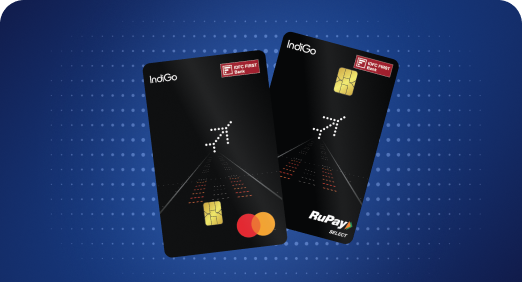

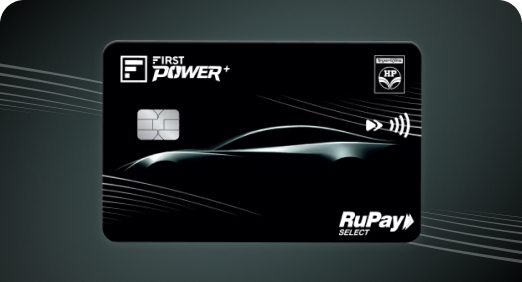
A Card that Powers your Savings & Lifestyle
IDFC FIRST Bank HPCL Credit Card









Most Searched
Earn up to 7% interest on your Savings Account
Open Account Now
Download our app
Get instant help for all your queries in one place
Unlock features, exclusively available
only on the IDFC FIRST Bank app
Trusted by 1.2+ million Indians.


4.8

4.8

Tools & Calculators
Privilege Program



Tools & Calculators

Unlock features, exclusively available
only on the IDFC FIRST Bank app
Finance
 Interest earned on savings accounts is taxable under “Income from Other Sources” even though there is no TDS deduction by the bank.
Individuals below 60 years can claim a deduction up to ₹10,000 from interest earned on savings accounts under Section 80TTA.
Senior citizens aged 60 and above can claim a higher deduction up to ₹50,000 on interest income under Section 80TTB.
To optimise tax planning, monitor your total interest income across all savings accounts and structure your finances accordingly.
Interest earned on savings accounts is taxable under “Income from Other Sources” even though there is no TDS deduction by the bank.
Individuals below 60 years can claim a deduction up to ₹10,000 from interest earned on savings accounts under Section 80TTA.
Senior citizens aged 60 and above can claim a higher deduction up to ₹50,000 on interest income under Section 80TTB.
To optimise tax planning, monitor your total interest income across all savings accounts and structure your finances accordingly.
The rising significance of online savings bank accounts stems from their accessibility, convenience, and competitive rate of interest. Such accounts provide easy access to funds, ensuring quick transactions and account monitoring from anywhere at any time. These accounts even come with minimal charges, making them a cost-effective means for banking needs. Setting up as well as managing such accounts is simple owing to their user-friendly interface, which offers the choice of automated savings and helps in tracking finances. Now, have you wondered about the tax implications of earning interest constituents on such accounts?
Firstly, it is important to debunk the misconception that savings bank accounts are completely tax-free. There is no such thing as a tax-free savings account. While it is true that you can get a tax deduction of up to Rs. 10,000 on the overall interest income earned from all your savings bank accounts as per Section 80TTA, this does not make the interest constituent tax-free. Note that the tax deduction is applicable on the overall interest constituent earned throughout all your account variants, not per savings account. Read on to understand how savings account taxes are charged.
When it is about the tax implications of offline or online savings account interest, any interest earned is considered as “income from other sources” and should be disclosed in your income tax return. While interest on a savings account is not subject to TDS (tax deducted at source), any interest earnings surpassing a specified threshold limit (Rs. 10,000 in the case of non-senior citizens and Rs. 50,000 in the case of senior citizens) are taxable at the individual’s applicable tax slab rate.
As per Section 80TTA, individuals below 60 years of age can claim a deduction of up to Rs. 10,000 on interest constituent earned from a savings bank account, co-operative society, or post-office.
As per Section 80TTA, if you earn an interest constituent of Rs. 15,000 from a savings account, just Rs. 5,000 will be taxable as per your income tax slab after availing the Rs. 10,000 deduction permitted by the provision.
Now let’s understand a scenario where Y, a 68-year-old retiree, earns interest constituent from a savings bank account amounting to Rs. 20,000 and from a fixed deposit equalling Rs. 40,000, resulting in the total interest earnings of Rs. 60,000.
As per Section 80TTB, Y being a senior citizen can claim a tax deduction of up to Rs. 50,000. Despite earning Rs. 60,000 as interest earnings, he can offset Rs. 50,000 from his taxable income. Consequently, just Rs 10,000 of his interest earnings will be subject to taxation. This provision considerably lowers Y’s tax liability and highlights the significance of tax planning for senior citizens, allowing them to make the most out of their interest income, a considerable component of their post-retirement earnings.
Particulars |
Section 80TTA |
Section 80TTB |
Applicability |
Applicable to individuals below 60 years of age |
Applicable to senior citizens |
Specified income |
Interest on savings account only |
Interest on all types of deposits |
Quantum of deductions |
Up to Rs. 10,000 |
Up to Rs. 50,000 |
It is essential that you are aware of the tax implications of earning interest constituent on a savings account to ensure compliance with income tax rules to make a well-informed financial decision. By seeking the highest interest rate on savings and understanding the tax implications, you can effectively grow your savings and enhance your wealth accumulation over time. If you’re seeking a high interest rate on your savings account, consider opting for an IDFC FIRST Bank savings account, which offers one of the highest savings account interest rates in the industry.
The features, benefits and offers mentioned in the article are applicable as on the day of publication of this blog and is subject to change without notice. The contents herein are also subject to other product specific terms and conditions and any third party terms and conditions, as applicable. Please refer our website www.idfcfirst.bank.in for latest updates.


You will earn