









Login to Internet banking
A brand-new experience - smarter, faster, and secured





You gain a dedicated partner committed to helping you reach your full potential and achieve new heights
Know More
BRAVO (Auto Sweep)
Convert the idle funds in your current account into a fixed deposit with the BRAVO feature.
Know More
Zero Forex Markup Current Account
Maximise your savings and boost profitability with our Zero Forex Markup current accounts
Know More






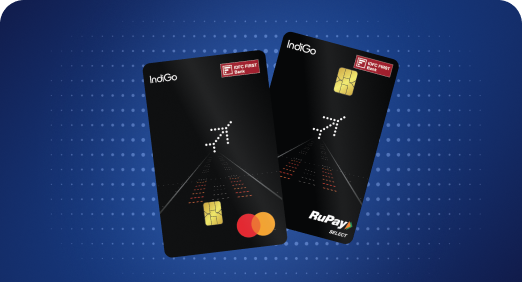

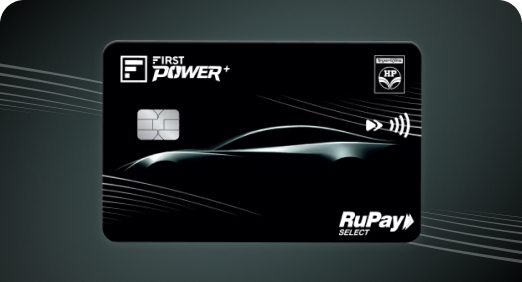
A Card that Powers your Savings & Lifestyle
IDFC FIRST Bank HPCL Credit Card









Most Searched
Earn up to 7% interest on your Savings Account
Open Account Now
Download our app
Get instant help for all your queries in one place
Unlock features, exclusively available
only on the IDFC FIRST Bank app
Trusted by 1.2+ million Indians.


4.8

4.8

Tools & Calculators
Privilege Program



Tools & Calculators

Unlock features, exclusively available
only on the IDFC FIRST Bank app
Personal Loan
 Funding for a wedding in India typically comes from a mix of lifetime savings, family contributions, gold assets, and modern options like wedding loans and marriage loans.
Rising celebration costs have led many couples to consider structured financing instead of liquidating long-term savings.
Compared to using gold or personal savings, a wedding loan offers flexibility, faster access to funds, and better control over wedding expenses in India.
For young Indians, marriage loan is a practical and independent way to finance weddings while spreading costs through affordable EMIs.
Funding for a wedding in India typically comes from a mix of lifetime savings, family contributions, gold assets, and modern options like wedding loans and marriage loans.
Rising celebration costs have led many couples to consider structured financing instead of liquidating long-term savings.
Compared to using gold or personal savings, a wedding loan offers flexibility, faster access to funds, and better control over wedding expenses in India.
For young Indians, marriage loan is a practical and independent way to finance weddings while spreading costs through affordable EMIs.
Weddings in India are significant social milestones that often involve substantial financial commitments. Venue bookings, catering, décor, jewellery, photography, entertainment, and hospitality expenses can collectively require large upfront payments.
As costs continue to rise, families and couples are exploring structured and practical funding options. Instead of relying solely on savings or asset liquidation, many may prefer to apply for a personal loan to manage cash flow efficiently.
Indian families have prioritised weddings as part of many other milestones. Hence, funding for a wedding in India begins long before the actual event.
There’s a shift in how older generations planned and how newer generations are creating a budget. Based on this evolution, here’s a look at the traditional vs modern methods explaining how Indians get wedding money:
1) Lifetime savings
Parents often begin saving years in advance through fixed deposits, recurring deposits, or gold purchases.
2) Family contributions
Extended family members may contribute financially, reflecting the collective nature of Indian weddings.
3) Leveraging assets
In some cases, families pledge or sell gold and property to bridge funding gaps.
Modern Funding Methods
1) Personal savings of the couple
Many working professionals now contribute directly to their wedding expenses using salary savings or bonuses.
2) Structured borrowing through personal loans
A growing number of couples prefer to apply for a personal loan to fund wedding expenses without disturbing investments.
3) Cost-sharing between partners
Modern financial planning often involves shared responsibility for wedding expenses.
As the expectations around how Indians get wedding money change, structured borrowing is gaining attention.
Here’s a look at some emerging trends on this front:
Greater acceptance of marriage loans for managing high upfront costs.
Financial independence among younger couples.
Preference for predictable EMIs over large lump-sum withdrawals from savings.
Borrowing to manage cash flow instead of liquidating gold or investments.
Combining savings and loans for balanced financial planning.
Given the multiple options available to fund weddings in India, it makes sense to compare the benefits and trade-offs for effective wedding budget planning.
Here’s a quick comparison of the most popular modes to fund a wedding in recent times:
Comparison |
Wedding loan |
Gold |
Personal savings |
Impact on liquidity |
No impact on savings and assets |
When pledged, gold remains safe but locked until repayment. |
Reduces cash reserves for other expenses and emergencies. |
Emotional ease |
Offers a sense of independence and flexibility. |
May involve hesitation due to the value and sentiment attached to gold. |
Offers peace of mind but leads to financial strain due to depleted funds. |
Risk/downside |
Can affect the credit score if repayments aren’t handled well. |
Lack of access to gold. |
Reduces emergency funds and impacts other financial goals. |
Best suited for |
Reducing the pressure of upfront costs. |
Moderate funding when savings fall short. |
Smaller, preplanned expenses |
Cost |
Interest, loan processing fee, and other minor charges based on repayment behaviour. |
Interest (other additional costs if pledged for a gold loan) |
None |
While getting a wedding loan eases your financial pressure, it is also critical that you limit your borrowing to save on the repayment cost.
You can follow these practical hacks to lower your overall wedding budget:
Prioritise essential elements and allocate budgets accordingly.
Book venues and vendors early to secure better rates.
Optimise the guest-list to manage catering and hospitality expenses.
Consider off-season dates for cost savings.
Combine professional services with select DIY elements.
Limiting the loan amount by budgeting effectively reduces overall interest payable. You can calculate the total repayment in advance using an EMI Calculator.
FIRSTmoney is designed to provide flexible and transparent funding for major life events like weddings.
Loan amounts up to ₹15 lakhs to meet your wedding expenses
Competitive personal loan interest rate starting from 9.99% per annum
Flexible repayment tenure ranging from 9 to 60 months
100% digital process with no documentation
Quick approval and disbursal, often within 10 minutes
Zero foreclosure charges, allowing early closure without penalties
Access to multiple on-demand loans for meeting the varying expenses of the wedding
Before you apply for a personal loan, you can use a loan EMI calculator to determine EMI on the basis of your chosen tenure and interest rate.
Wedding financing in India is evolving with changing financial awareness and lifestyle preferences. While savings and family support remain important, structured borrowing offers flexibility, speed, and financial control.
With FIRSTmoney personal loan by IDFC FIRST Bank, you gain access to transparent terms, digital convenience, flexible repayment options, and zero foreclosure charges, allowing you to focus on celebrating your special day with confidence and financial stability.
The contents of this article/infographic/picture/video are meant solely for information purposes. The contents are generic in nature and for informational purposes only. It is not a substitute for specific advice in your own circumstances. The information is subject to updation, completion, revision, verification and amendment and the same may change materially. The information is not intended for distribution or use by any person in any jurisdiction where such distribution or use would be contrary to law or regulation or would subject IDFC FIRST Bank or its affiliates to any licensing or registration requirements. IDFC FIRST Bank shall not be responsible for any direct/indirect loss or liability incurred by the reader for taking any financial decisions based on the contents and information mentioned. Please consult your financial advisor before making any financial decision.
The features, benefits and offers mentioned in the article are applicable as on the day of publication of this blog and is subject to change without notice. The contents herein are also subject to other product specific terms and conditions and any third party terms and conditions, as applicable. Please refer our website www.idfcfirst.bank.in for latest updates.