







Login to Internet banking
A brand-new experience - smarter, faster, and secured

BRAVO (Auto Sweep)
Convert the idle funds in your current account into a fixed deposit with the BRAVO feature.
Know More

Zero Forex Markup Current Account
Maximise your savings and boost profitability with our Zero Forex Markup current accounts
Know More
BRAVO (Auto Sweep)
Convert the idle funds in your current account into a fixed deposit with the BRAVO feature.
Know More
You gain a dedicated partner committed to helping you reach your full potential and achieve new heights
Know More


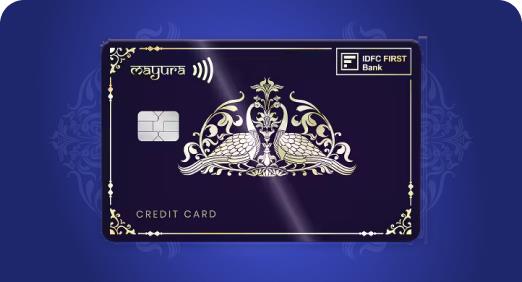

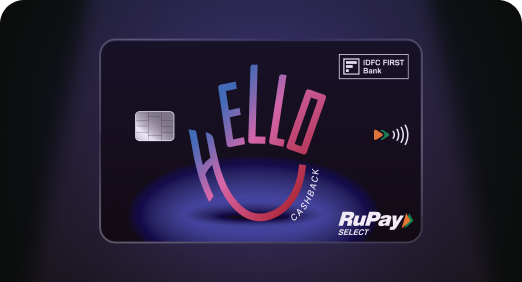

Enjoy Zero Forex on all IDFC FIRST Bank Credit Cards
Save more on all international spends
Know More
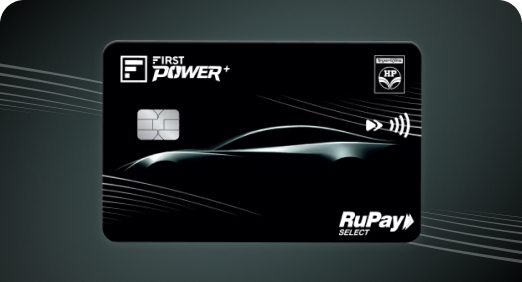
A Card that Powers your Savings & Lifestyle
IDFC FIRST Bank HPCL Credit Card






Most Searched
Earn up to 7% interest on your Savings Account
Open Account Now
Download our app
Get instant help for all your queries in one place
Unlock features, exclusively available
only on the IDFC FIRST Bank app
Trusted by 1.2+ million Indians.


4.8

4.8

Tools & Calculators
Privilege Program



Tools & Calculators
Savings Account
 A self-cheque allows you to withdraw cash or transfer funds between accounts.
Learning how to fill out a self-cheque is quite straightforward; you need to ensure all the details are entered correctly on the leaf of the cheque.
IDFC FIRST Bank offers convenient access to chequebooks for their savings account holders, enabling easy use of self-cheques for quick and secure cash withdrawals.
A self-cheque allows you to withdraw cash or transfer funds between accounts.
Learning how to fill out a self-cheque is quite straightforward; you need to ensure all the details are entered correctly on the leaf of the cheque.
IDFC FIRST Bank offers convenient access to chequebooks for their savings account holders, enabling easy use of self-cheques for quick and secure cash withdrawals.
Many people rely on online or mobile banking to transfer money. However, digital payment systems have their limitations. For example, what if the recipient does not accept electronic payments? What if you urgently need cash but do not have your debit card? Similarly, ATMs could be unavailable, or your internet connection might fail. Situations like these highlight the need for an alternative solution.
In such scenarios, a traditional self-cheque can be a reliable option. It allows you to conveniently withdraw or transfer money, even when modern digital methods are inaccessible. Let’s explore how to fill a self-cheque to handle these circumstances.
A self-cheque is an instrument drawn by an account holder to themselves. Here, you are both the drawer and payee. The primary purpose of a self-cheque is to withdraw money directly from your bank account. It can also be used to transfer funds between your accounts under the same name. Here,
For example, if Mr. Bhushan wanted to withdraw a large sum that was beyond the ATM withdrawal limits, he could use a self-cheque. He could write a cheque with ‘Self’ as the payee, present it at IDFC FIRST Bank, and withdraw the cash.
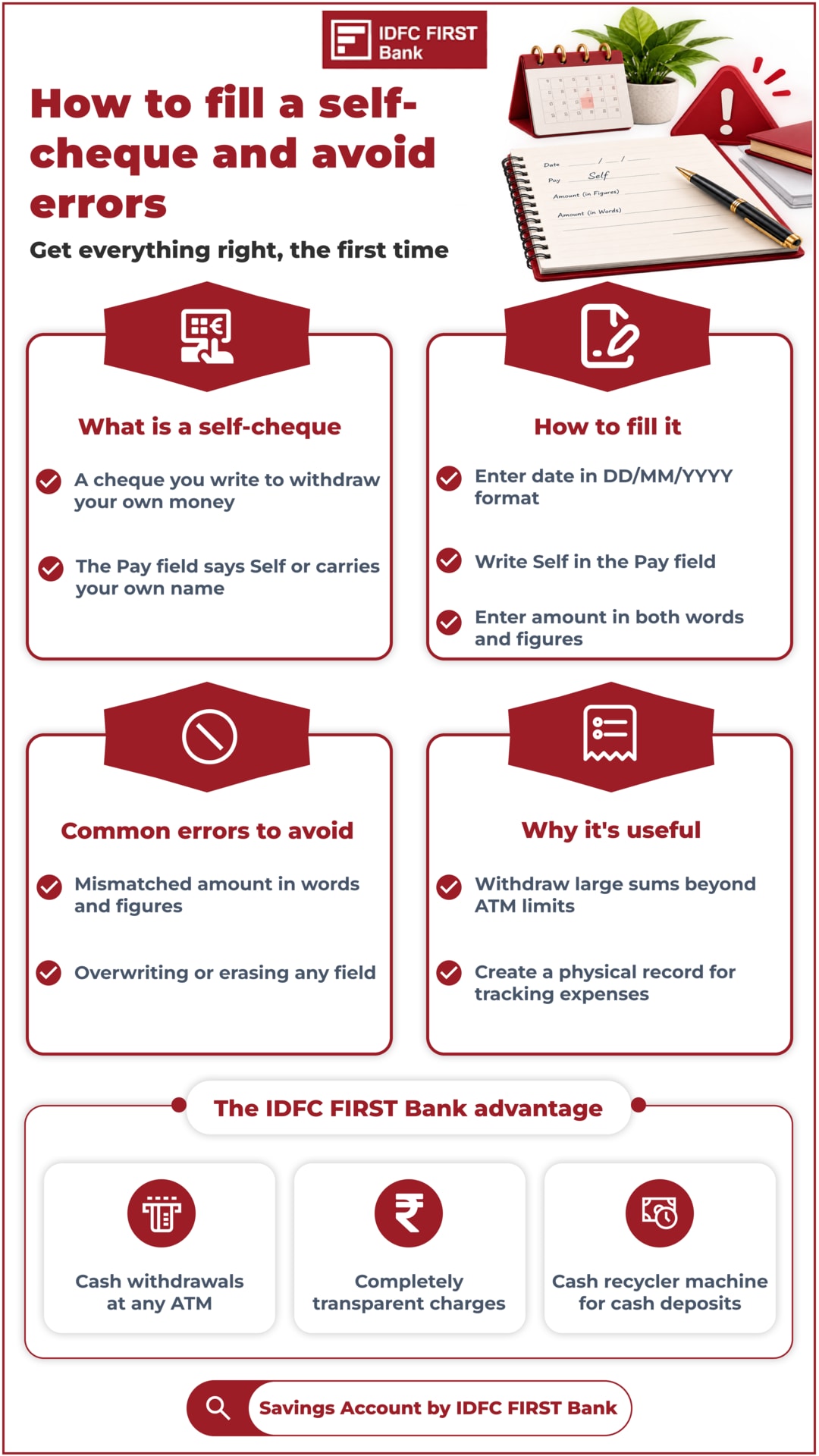
Here is a step-by-step guide on how to fill a cheque for self
Start by entering the current date in the ‘Date’ field at the top-right corner of the cheque. Use the DD/MM/YYYY format to avoid ambiguity. Your cheque will be valid for three months from this date.
Below the dar, in the ‘Pay’ or ‘Pay to the Order of’ field, write the word ‘Self.’ Alternatively, you can write your full name as it appears in your bank account. This indicates that the cheque is payable to you.
In the box next to the ₹ symbol, write the amount you wish to withdraw in numbers. Ensure you enter the exact amount to avoid discrepancies.
Below the payee’s name, write the same amount in words. For example, if the amount is ₹10,000, write ‘Ten Thousand Rupees Only.’ This step provides additional security against tampering.
At the bottom-right corner of the cheque, sign it using the signature registered with your bank. This validates the cheque and authorises the bank to process it.
Now that you understand how to fill out a self-cheque, the next step is to visit your bank’s branch. Present the completed cheque to the teller, who will process the transaction.
While writing a self-cheque, avoid these common mistakes –
When writing a cheque, always use the current date. The bank may refuse an outdated or postdated cheque.
Sign the cheque clearly and with your usual signature.
Ensure the payee's name (your name) is spelled correctly.
The amount written in figures must match the amount written in words exactly.
Avoid writing over or erasing any information on the cheque. If you make a mistake, it's best to discard the check and start over.
Though simple, learning how to fill a self-cheque and using one can have some financial benefits –
As reliance on bank balances grows and cash transactions decrease, a self-cheque serves as a physical record of your withdrawal. It helps you track your expenses and manage your budget.
Self-cheques provide a convenient way to withdraw cash, especially in situations where ATMs are not readily available or when you need a large sum of money.
Unlike using ATMs, where you might be charged a fee, cashing your self-cheque at your own bank does not incur additional charges.
Moreover, if you are banking with IDFC FIRST Banking, you are in for a delightful experience. The bank offers zero-fee banking on over thirty common savings account services, including chequebook re-issuance charges. Plus, with IDFC FIRST Bank Savings Accounts, you can redefine your personal finance with these features –
Knowing how to fill a self-cheque can be an important skill in emergencies. The steps outlined above can help you confidently write a cheque for cash withdrawal or fund transfer.
Ready to experience hassle-free banking? Explore IDFC FIRST Bank Savings Account today and discover how to request chequebooks easily. Learn more about various banking services that can make financial transactions seamless and secure.
The features, benefits and offers mentioned in the article are applicable as on the day of publication of this blog and is subject to change without notice. The contents herein are also subject to other product specific terms and conditions and any third party terms and conditions, as applicable. Please refer our website www.idfcfirst.bank.in for latest updates.


You will earn