









Login to Internet banking
A brand-new experience - smarter, faster, and secured



You gain a dedicated partner committed to helping you reach your full potential and achieve new heights
Know More
BRAVO (Auto Sweep)
Convert the idle funds in your current account into a fixed deposit with the BRAVO feature.
Know More
Zero Forex Markup Current Account
Maximise your savings and boost profitability with our Zero Forex Markup current accounts
Know More



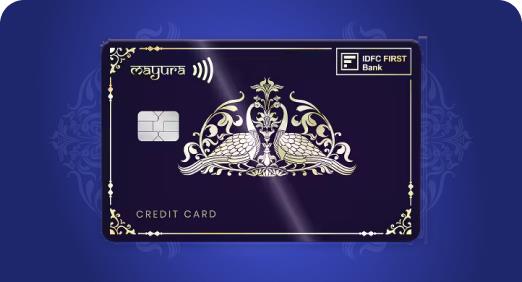
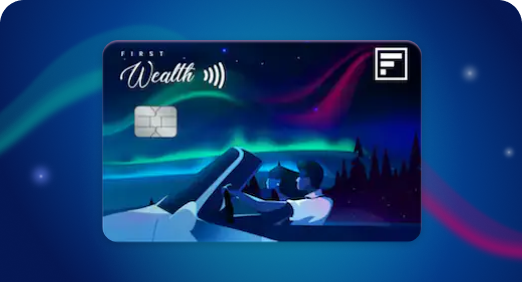
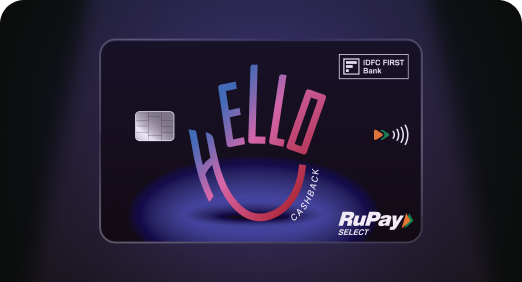
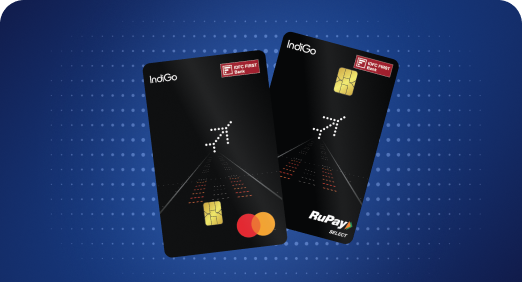
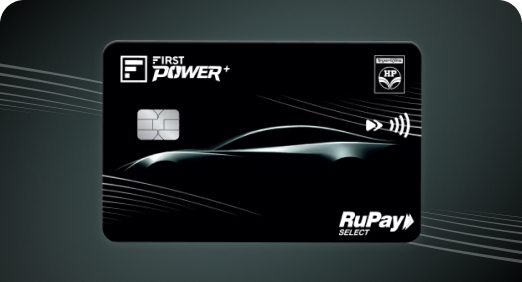
A Card that Powers your Savings & Lifestyle
IDFC FIRST Bank HPCL Credit Card









Most Searched
Earn up to 7% interest on your Savings Account
Open Account Now
Download our app
Get instant help for all your queries in one place
Unlock features, exclusively available
only on the IDFC FIRST Bank app
Trusted by 1.2+ million Indians.


4.8

4.8

Tools & Calculators
Privilege Program



Tools & Calculators

Unlock features, exclusively available
only on the IDFC FIRST Bank app
Personal Loan
 Personal loan foreclosure lets you close your loan early with a lump-sum payment, helping you become debt-free sooner.
Always review foreclosure charges, outstanding dues, and lender terms before initiating early closure.
While foreclosure may cause minor short-term changes in credit scores, it often strengthens long-term financial health.
IDFC FIRST Bank offers easy foreclosure via app, and zero foreclosure charges on its FIRSTmoney personal loan
Personal loan foreclosure lets you close your loan early with a lump-sum payment, helping you become debt-free sooner.
Always review foreclosure charges, outstanding dues, and lender terms before initiating early closure.
While foreclosure may cause minor short-term changes in credit scores, it often strengthens long-term financial health.
IDFC FIRST Bank offers easy foreclosure via app, and zero foreclosure charges on its FIRSTmoney personal loan
Personal loan foreclosure means repaying your entire outstanding loan amount before the end of the agreed tenure. It can help you close the loan early and save on future interest, though foreclosure charges may apply depending on the lender.
When you apply for a personal loan, you can choose the loan tenure and space out the EMIs over the predetermined period. As your monthly budget allows, you can clear EMIs each month. This momentum is good, but what if you have extra income that lets you pay off the personal loan early?
In such cases, some lenders like IDFC FIRST Bank offer the option to foreclose your personal loan (FIRSTmoney) with zero foreclosure charges. It helps you go debt-free sooner, and save on interest cost.
Personal loan foreclosure is the process of paying off your entire loan before the due date/end of the tenure. This way, you no longer have to continue with your monthly EMIs. It is a choice to close the personal loan early in a lump-sum payment.
IDFC FIRST Bank, waives the foreclosure charges on its FIRSTmoney personal loan to facilitate the easy and affordable closure of personal loans. You can also foreclose the loan easily via the app anytime you want.
Closing your personal loan early can reduce your interest burden and help you become debt-free sooner. However, foreclosure does not always translate into meaningful savings. Before making the decision, compare the interest you can save against the foreclosure charges and the impact on your liquidity.
Here’s a simple framework to help you decide:
Foreclose your personal loan if:
Avoid or delay foreclosure if:
If the net savings (future interest saved minus the foreclosure charges and applicable taxes) are meaningful, foreclosure can be a sensible choice.
Suppose you have:
If your lender charges a 5% foreclosure fee, the foreclosure fee alone amounts to ₹17,700, including GST.
In this case:
Now consider a scenario where the remaining interest payable is only ₹20,000 because you are already late in the tenure. With the same foreclosure charges, your actual savings may shrink to barely a few thousand rupees.
This is why checking the timing of foreclosure, remaining interest burden, and applicable charges is important before making a lump-sum payment.
When planning to close a personal loan early, borrowers often confuse foreclosure with a partial prepayment. While both help reduce debt ahead of schedule, they work differently and lead to different outcomes. Here’s a simple comparison:
| Basis | Foreclosure | Part-prepayment |
| Payment | Full outstanding loan amount | Partial extra payment |
| Loan status | Loan closes completely | Loan continues |
| EMIs | No future EMIs | EMIs continue |
| Impact | Ends the loan early | Reduces outstanding balance and may shorten tenure |
| Best for | Borrowers who are ready for complete closure | Borrowers with limited surplus funds |
Yes, the timing of personal loan foreclosure can affect how much you actually save.
Before making the decision, compare the remaining interest payable, foreclosure charges, and your available savings.
While foreclosing a personal loan can reduce your future interest burden, many borrowers overlook the extra costs attached to early closure. Several lenders charge foreclosure fees ranging from 2% to 5% of the outstanding principal, which can reduce the actual savings from prepaying the loan. Some lenders may also impose lock-in conditions before allowing foreclosure.
With the FIRSTmoney personal loan from IDFC FIRST Bank, you get greater flexibility and savings. The loan comes with zero foreclosure charges. You can close the loan early without additional penalties at any time during the tenure through the Bank app or the QuickPay link.
When you decide to close your personal loan early, going through the following process gets you the foreclosure letter as a result:
1. Review your sanction letter
You will find the details of your personal loan terms in your sanction letter. Go through it to understand the rules and applicable charges.
2. Contact your lender
Inform your lender of your intention to close the personal loan on a specific date, and obtain the outstanding loan amount before initiating payment.
3. Fill out the foreclosure form
Most lenders require a formal foreclosure request. For this, you must fill out a foreclosure form online or at the branch. This triggers the official start of the closure process.
In case of a FIRSTmoney personal loan by IDFC FIRST Bank, you can foreclose your loan easily via the app or using the QuickPay link. Enjoy zero foreclosure charges to make the entire process more affordable while you save on future interest costs.
4. Make the full payment
Pay the quoted amount within the validity period after initiating the closure request to prevent recalculation of interest and charges.
5. Get confirmation
After the payment is successful, the lender will issue a foreclosure letter and a no-dues certificate. These documents confirm that you closed the loan account.
Before you make the final loan payment, take a look at the components of the closure amount:
After you complete the foreclosure process, you receive a no-dues certificate along with the foreclosure letter. It acts as the final proof of your personal loan account settlement. Here’s why it’s important to obtain:
1. Proof of zero liability
The no-dues certificate explicitly states that you owe the lender nothing further. Hence, it protects you from future disputes on your credit report or when applying for additional credit.
2. Protects your credit profile
In rare cases, closed personal loans may still reflect as active in your credit report. This is a system error and can dip your credit score. With a no-dues certificate, you can dispute such errors and quickly resolve the issue.
3. Helps with future borrowing
When you apply for a new personal loan or credit card, lenders may review your past credit behaviour in your credit report. They may also ask about past closures, for which the no-dues certificate provides reliable confirmation.
Foreclosing a personal loan is generally considered good. However, it can have a mixed impact on your credit score, based on how smoothly the personal loan is closed:
1. Temporary drop
You may notice a small dip in your credit score shortly after you close the personal loan. This usually happens because you essentially remove an active credit account.
2. Shortened credit history
As you close your personal loan, you are reducing the age of your credit history. If it were among your older credit accounts, it would slightly affect your credit score. This usually evens out as you responsibly maintain your other active accounts.
3. Improved long-term creditworthiness
Lower outstanding debt improves your repayment capacity and overall financial stability. As a result, your credit health improves over time. Lenders view you as a responsible borrower and offer better credit deals.
All these effects on your credit score are manageable if you receive a foreclosure letter and your personal loan closure is properly reported as closed.
If your finances allow, personal loan foreclosure is a smart step to go debt-free early. Despite it being a good thing, it’s critical not to rush through the process. Check what goes into the final amount and how it reflects on your credit score. Understand the charges, timelines, and documentation to ensure you close the personal loan on proper terms. When you approach it responsibly, personal loan foreclosure does more than just reduce debt. In the long run, it strengthens your financial confidence in securing prospective credit.
You typically receive the no-dues certificate within a few working days after the full foreclosure amount is paid and the personal loan account is marked as closed. Timelines vary across lenders.
Most lenders allow foreclosure only after a minimum number of EMIs have been paid. You will get the details of this condition in the personal loan sanction letter.
You can foreclose your FIRSTmoney personal loan at any time during the loan tenure.
No, foreclosure charges depend on the lender and personal loan type. IDFC FIRST Bank waives these foreclosure charges entirely on its FIRSTmoney personal loan.
The contents of this article/infographic/picture/video are meant solely for information purposes. The contents are generic in nature and for informational purposes only. It is not a substitute for specific advice in your own circumstances. The information is subject to updation, completion, revision, verification and amendment and the same may change materially. The information is not intended for distribution or use by any person in any jurisdiction where such distribution or use would be contrary to law or regulation or would subject IDFC FIRST Bank or its affiliates to any licensing or registration requirements. IDFC FIRST Bank shall not be responsible for any direct/indirect loss or liability incurred by the reader for taking any financial decisions based on the contents and information mentioned. Please consult your financial advisor before making any financial decision.
The features, benefits and offers mentioned in the article are applicable as on the day of publication of this blog and is subject to change without notice. The contents herein are also subject to other product specific terms and conditions and any third party terms and conditions, as applicable. Please refer our website www.idfcfirst.bank.in for latest updates.