









Login to Internet banking
A brand-new experience - smarter, faster, and secured



You gain a dedicated partner committed to helping you reach your full potential and achieve new heights
Know More
BRAVO (Auto Sweep)
Convert the idle funds in your current account into a fixed deposit with the BRAVO feature.
Know More
Zero Forex Markup Current Account
Maximise your savings and boost profitability with our Zero Forex Markup current accounts
Know More





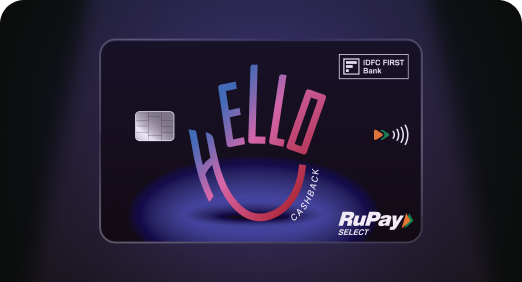
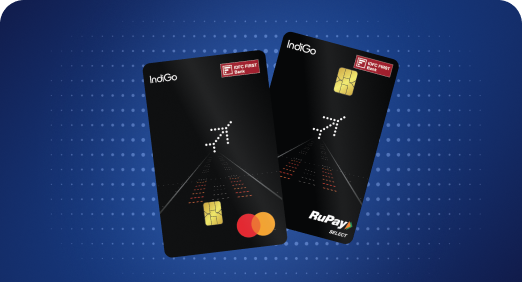
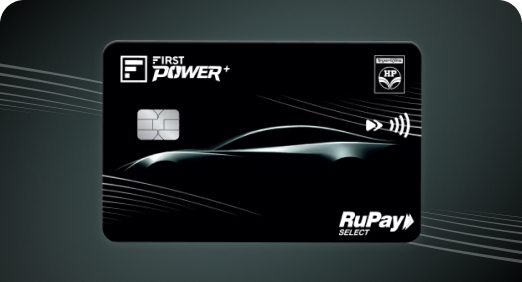
A Card that Powers your Savings & Lifestyle
IDFC FIRST Bank HPCL Credit Card









Most Searched
Earn up to 7% interest on your Savings Account
Open Account Now
Download our app
Get instant help for all your queries in one place
Unlock features, exclusively available
only on the IDFC FIRST Bank app
Trusted by 1.2+ million Indians.


4.8

4.8

Tools & Calculators
Privilege Program



Tools & Calculators

Unlock features, exclusively available
only on the IDFC FIRST Bank app
Personal Loan
 A personal loan balance transfer lets you move to a new lender for lower interest rates and easier repayment.
Your credit score may see a small temporary dip due to a hard enquiry, but it improves once the old loan is closed and EMIs are paid on time.
A transfer is most beneficial when the new interest rate is significantly lower or when you still have a long tenure left.
Improved credit score, unaffordable EMIs, or rigid existing lender terms are strong reasons to consider a balance transfer.
Always compare total costs including fees, charges, and remaining interest to ensure the transfer gives real long-term savings.
A personal loan balance transfer lets you move to a new lender for lower interest rates and easier repayment.
Your credit score may see a small temporary dip due to a hard enquiry, but it improves once the old loan is closed and EMIs are paid on time.
A transfer is most beneficial when the new interest rate is significantly lower or when you still have a long tenure left.
Improved credit score, unaffordable EMIs, or rigid existing lender terms are strong reasons to consider a balance transfer.
Always compare total costs including fees, charges, and remaining interest to ensure the transfer gives real long-term savings.
Most people take a personal loan thinking they can manage the EMI with their current financial standing. This can change over time, with rising expenses, current interest rates may feel high. This leads to several borrowers to explore the option of moving to a new lender and make a personal loan balance transfer.
A balance transfer can help reduce your EMI, even lower your interest rate, and make repayment of loans easier.
This article explores how a balance transfer works, its impact on your credit score, key factors and benefits and see if this move aligns with your financial goals and debt liability.
To understand personal loan balance transfer, you must first know what it means. When a borrower shifts from the current lender to a new lender that offers better loan terms and lower interest rates. The new lender pays off the current lender’s all outstanding dues and forecloses the loan. After which, the borrower pays the new lender as per the new interest rates. This helps the borrower save on interest costs, get a lower EMI, while increasing ease of repayment.
It is important to note that a balance transfer does not reduce your principal amount. It simply replaces your existing loan with one that has better terms.
A personal loan balance transfer impacts the credit score in a straightforward manner in terms of regular repayments, hard inquiries and loan closures. Listed below are the notable areas it impacts:
New credit inquiries lead to a credit history check made by the new lender. This will trigger a hard inquiry, which could lower your credit score for a short period of time. This is typical with any new inquiry made for loans or credit cards.
Once the transfer is approved, your old loan gets marked as closed in your credit report. A closed loan with a regular repayment history strengthens your credit profile and reflects responsible borrowing, giving your credit report a boost.
After the loan transfer, your new EMI may be reduced because the new personal loan balance transfer is better. Lower EMIs help manage repayment, reducing the chances of missed payments. Consistently paying EMIs on time improves your credit score over time and helps build lender confidence for future credit.
A balance transfer does not harm your credit score permanently. The temporary dip due to the loan enquiry is small and typically recovers with timely and consistent repayment of EMIs.
A personal loan balance transfer is recommended during the below listed conditions. They are:
A balance transfer makes sense only when the new personal loan balance transfer interest rate is significantly lower than the existing interest rate. Even a small difference in percentage can reduce the overall repayment cost in the long run. However, if the difference is too small, the saved interest may not even cover loan processing fees or foreclosure charges.
A current higher credit score than the time of loan approval may qualify a borrower for a cheaper rate of interest. In that case, transferring the loan can lower your EMI and give long term savings.
A longer remaining loan tenure can lead to higher savings on the overall interest paid. A balance transfer in personal loan for a short period may not be financially viable in terms of miscellaneous fees associated with making a change in lenders.
If your current lender refuses to renegotiate payment terms, reduce interest rate, or tenure, switching lenders can help in securing flexible terms and improve ease of repayment.
If EMI becomes unaffordable, a balance transfer with a longer tenure or lower rate can reduce the credit burden significantly. This lowers the risk of late payments, while protecting the long-term credit score.
All lenders, whether banks or NBFCs have a specific requirement for borrowers to be eligible for a new loan. Listed below are some typical eligibility parameters for a personal loan balance transfer:
There are some crucial factors to ensure if the personal loan balance transfer is beneficial for the borrower. Let us see a few crucial factors:
· Calculate cost of outstanding interest: Check how much interest you will pay if you continue with your current loan. Compare this to the payable interest after transferring. If the savings are significant, the transfer is worth considering.
· Include all miscellaneous loan fees: Borrowers must include all loan associated costs like processing fee, loan foreclosure fee, stamp duty, etc. The new loan should be cheaper in the long term in comparison to the existing loan.
· Use EMI calculators to compare repayment: Using an online calculator helps you see your new EMI, total interest, and possible savings in seconds. This helps in making an informed decision and increases your savings in the long-term while improving your credit score.
A personal loan balance transfer is most effective when it offers a substantial financial advantage by lowered interest costs or improved repayment terms. The credit score enquiry may create a temporary dip, but this improves once the previous loan is closed and regular payments are maintained.
Before proceeding, assess eligibility, compare lender policies, and calculate the overall savings after all charges.
You can easily apply for a FIRSTmoney personal loan to fulfil all your urgent financial needs. Enjoy attractive interest rates starting at 9.99% p.a, instant disbursal within 10 minutes, and flexible tenure with a completely digital process.
Yes, a hard inquiry may cause a small temporary dip, but your score improves over time once the old loan is closed and new EMIs are paid timely and consistently.
Yes, several lenders allow online personal loan balance transfer, which includes digital application, document submission, verification and loan disbursal without the need to visit the lender physically.
It is the process of shifting your existing loan to a new lender who pays off your old lender and gives you a new loan with updated terms and interest rates.
The contents of this article/infographic/picture/video are meant solely for information purposes. The contents are generic in nature and for informational purposes only. It is not a substitute for specific advice in your own circumstances. The information is subject to updation, completion, revision, verification and amendment and the same may change materially. The information is not intended for distribution or use by any person in any jurisdiction where such distribution or use would be contrary to law or regulation or would subject IDFC FIRST Bank or its affiliates to any licensing or registration requirements. IDFC FIRST Bank shall not be responsible for any direct/indirect loss or liability incurred by the reader for taking any financial decisions based on the contents and information mentioned. Please consult your financial advisor before making any financial decision.
The features, benefits and offers mentioned in the article are applicable as on the day of publication of this blog and is subject to change without notice. The contents herein are also subject to other product specific terms and conditions and any third party terms and conditions, as applicable. Please refer our website www.idfcfirst.bank.in for latest updates.