What's special about us

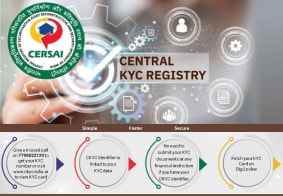
CKYC Registry



-
Customer Service Contact us Service request Locate a branch Complaints
Find all the help you need
Scan the QR, get our app, and find help on your fingertips

Help CenterSupport topics, Contact us, FAQs, Complaints and more
-
 Login
Login
Are you ready for an upgrade?
Login to the new experience with best features and services
-
Login
Are you ready for an upgrade?
Login to the new experience with best features and services
- Accounts
-
Deposits
IDFC FIRST Bank Deposits
View all Deposits -
Loans
IDFC FIRST Bank Loans
View all Loans - Wealth & Insure
-
Payments
IDFC FIRST Bank Payments
View all Payments -
Cards
IDFC FIRST Bank Cards
View all Cards - Blogs
- Corporate Account
-
Cash Management Services
IDFC FIRST Bank Cash Management Services
View all Cash Management Services - Supply Chain Finance
-
Corporate Lending
IDFC FIRST Bank Lending
View all -
Treasury
IDFC FIRST Bank Treasury
See more details - NBFC Financing
- BRAVO (Auto Sweep)
-
MSME Accounts
IDFC FIRST Bank MSME Accounts
View all Accounts -
Trade Services
- MSME Loan
-
MSME Solutions
- Debit Card
-
Offers




Help Center
Support topics, Contact us, FAQs, Complaints and more
Accounts
- IDFC FIRST Bank Accounts
-
Savings Account
-
Corporate Salary
Account -
Senior Citizens
Savings Account -
First Power
Account -
Current Account
-
NRI Savings
Account -
TASC Institutional
Account -
Savings Account
Interest Calculator
Deposits
- IDFC FIRST Bank Deposits
-
Fixed Deposit
-
Recurring Deposit
-
NRI Fixed Deposit
-
Safe Deposit Locker
-
FD Calculator
-
RD Calculator
Loans
- IDFC FIRST Bank Loans
-
Personal Loan
-
Consumer Durable
Loan -
Home Loan
-
Business Loan
-
Professional Loan
-
Education Loan
-
New Car Loan
-
Pre-owned Car Loan
-
Two Wheeler Loan
-
Pre-owned Two
Wheeler Loan -
Commercial Vehicle
Loan -
Gold Loan
-
Loan Against Property
-
Loan Against Securities
-
Easy Buy EMI card
-
Personal Loan
EMI Calculator -
Education Loan
EMI Calculator -
Home Loan
EMI Calculator -
EMI Calculator
-
Personal Loan Eligibility Calculator
Wealth & Insure
- IDFC FIRST Bank Wealth & Insure
-
FIRST Select
-
FIRST Wealth
-
FIRST Private
-
Mutual Funds
-
Sovereign Gold Bond
-
Demat Account
-
Term Insurance
-
Life Insurance
-
Health Insurance
-
General Insurance
-
Bonds
-
Loan Against
Securities -
Portfolio Management
Service
Payments
- IDFC FIRST Bank Payments
-
FASTag
-
Credit Card
Bill Payments -
UPI
-
Funds Transfer
-
Forex Services
-
Pay Loan EMI
Cards
- IDFC FIRST Bank Cards
-
Ashva :
Metal Credit Card -
Mayura :
Metal Credit Card -
FIRST Millennia
Credit Card -
FIRST Classic
Credit Card -
FIRST Select
Credit Card -
FIRST Wealth
Credit Card -
FIRST WOW!
Credit Card -
Deals
-
Debit Cards
-
Co-branded Cards
-
Credit Card
EMI Calculator -
FIRST Corporate
Credit Card -
FIRST Purchase
Credit Card -
FIRST Business
Credit Card
Premium Metal
- Premium Metal Credit Cards
-
AshvaLifestyle1% Forex₹2,999
-
MayuraLifestyleZero Forex₹5,999
-
FIRST PrivateInvite Only
Travel
- Best for travellers
-
Diamond Reserve Credit CardZero ForexTravel₹3,000
-
FIRST WOW! BlackZero ForexTravelDual Cards
-
IndiGo IDFC FIRST Dual Credit CardTravelLifestyle₹4,999
-
MayuraZero ForexMetal₹5,999
-
Ashva1% ForexMetal₹2,999
-
FIRST WOW!Zero ForexTravelLifetime Free
-
FIRST SWYPTravel OffersEMI₹499
-
FIRST Select1.99% ForexLifestyleLifetime Free
-
FIRST Wealth1.5% ForexLifestyleLifetime Free
-
Club VistaraTravelLifestyle₹4,999
Lifetime Free
- Max benefits, Free for life
-
FIRST Classic10X RewardsShoppingNever Expiring Rewards
-
FIRST Millennia10X RewardsShoppingNever Expiring Rewards
-
FIRST Select10X RewardsLifestyle1.99% Forex
-
FIRST Wealth10X RewardsLifestyle1.5% Forex
-
FIRST WOW!RewardsTravelZero Forex
-
LIC ClassicRewardsInsuranceShopping
-
LIC SelectRewardsInsuranceShopping
10X Rewards
- Reward Multipliers
-
Diamond Reserve Credit CardLifestyleZero Forex₹3,000
-
AshvaLifestyleMetal₹2,999
-
MayuraLifestyleZero Forex₹5,999
-
FIRST ClassicNever Expiring RewardsShoppingLifetime Free
-
FIRST MillenniaNever Expiring RewardsShoppingLifetime Free
-
FIRST SelectNever Expiring RewardsLifestyleLifetime Free
-
FIRST WealthNever Expiring RewardsLifestyleLifetime Free
UPI Cards
- Rewards & Credit on UPI
-
FIRST WOW! BlackUPIVirtualRewards
-
IndiGo IDFC FIRST Dual Credit CardUPITravelDual cards
-
FIRST Power+FuelUPI₹499
-
FIRST PowerFuelUPI₹199
-
FIRST EA₹NVirtual1% Cashback₹499
-
FIRST DigitalVirtualUPI₹199
Fuel & Utility
- Fuel and Savings
-
FIRST PowerRewardsUPI₹199
-
FIRST Power+RewardsUPI₹499
-
LIC ClassicRewardsInsuranceShopping
-
LIC SelectRewardsInsuranceShopping
Showstopper
- Express and Flaunt
-
Diamond Reserve Credit CardTravelZero Forex₹3,000
-
AshvaMetal1% Forex₹2,999
-
MayuraMetalZero Forex₹5,999
-
FIRST SWYPEMIOfferMAX₹499
-
FIRST MillenniaRewardsShoppingLifetime Free
Credit Builder
- FD Backed rewarding Credit Cards for all
-
FIRST WOW! BlackZero ForexTravelAssured
-
FIRST EA₹NVirtualCashback₹499
-
FIRST WOW!Zero ForexTravelLifetime Free
-
CreditPro Balance TransferTransfer & SaveReduce InterestPay Smartly
More
NRI Savings Account
NRI Fixed Deposit
FOREX Solutions
- IDFC FIRST Bank NRI Forex Solutions
-
Send money to India-Wire transfer
-
Send money to India-Digitally
-
Send money abroad
-
Max Returns FD (INR)
Transfer to NRE
Corporate Account
Cash Management Services
Corporate Lending
Treasury
MSME Accounts
- IDFC FIRST Bank MSME Accounts
-
Platinum Current
Account -
Gold
Current Account -
Silver Plus
Current Account -
Merchant Multiplier
Account -
Agri Multiplier
Account -
TASC Institutional
Account -
Dynamic Current
Account -
World business
Account -
First Startup
Current Account -
EEFC Account
-
RERA Account
-
Other Accounts
Trade Services
MSME Loan
- IDFC FIRST Bank Business Loans
-
Business Loan
-
Professional Loan
-
Loan Against Property
-
Business Loan for Women
-
Working Capital Loan
-
Construction Equipment Loan
-
Machinery Loan
-
Healthcare Equipment Loan
MSME Solutions
- IDFC FIRST Bank Business Solutions
-
Payment Solutions
-
Tax Payments
-
Doorstep Banking
-
Point of Sale (POS)
-
Escrow Accounts
-
NACH
-
Payment Gateway
-
UPI
-
Virtual Accounts
Offers
About Us
Investors
ESG
-
As per amendment in the Income Tax Rules, PAN or Aadhaar are to be mandatorily quoted for cash deposit or withdrawal aggregating to Rupees twenty lakhs or more in a FY. Please update your PAN or Aadhaar. Kindly reach out to the Bank’s contact center on 1800 10 888 or visit the nearest IDFC FIRST Bank branch for further queries.
-
-
Most Searched



Sorry!
We couldn’t find ‘’ in our website
Here is what you can do :
- Try checking the spelling and search
- Search from below suggestions instead
- Widen your search & try a more generic keyword
Suggested


Get a Credit Card
Enjoy Zero Charges on All Commonly Used Savings Account Services
Open Account Now
Savings Account
5 ways to fight the impact of inflation
Key Takeaways
 Inflation reduces purchasing power; acting early preserves your financial health.
- A focused budget that cuts discretionary spending protects essentials when prices rise.
- Paying down high-interest debt and automating savings frees up cash and builds resilience.
- Maintain a 3–6-month emergency fund in liquid instruments to avoid high-cost borrowing.
- Choose an IDFC FIRST Bank savings account to enjoy competitive interest rates up to 7.00% p.a., monthly interest credits, and zero fees on common savings account services.
Inflation is an unavoidable part of the economy, and one of the biggest threats to your personal finances. As prices of essentials like food, fuel, rent, and services rise, the value of your money steadily erodes, reducing how much you can buy and save. While you can’t control inflation itself, you can control how prepared you are for it.
By building a focused budget, clearing high-interest debt, automating your savings, and choosing inflation-resistant financial tools like a high-interest savings account, you can protect your purchasing power, grow your wealth, and stay on track with your long-term goals.
READ MORE


What is inflation?
Inflation is an increase in the prices of products and services over time that affects people's purchasing power.
For example, in a month, you purchase essential grocery items by spending ₹2,000. Next year, the price of certain food items goes up due to the impact of inflation, and your cost increases to ₹2,200. It means you are spending ₹200 extra for the same items due to a higher inflation rate. Paying this inflated price may affect your monthly budget.
What is inflation rate?
It is the rate at which the product and service prices increase. Due to an increasing inflation rate, your purchasing power or the value of money reduces over time.
We can calculate the annual inflation rate using the formula below:
Inflation Rate = [(B – A) ÷ A] x 100
B = Current CPI
A = Past CPI
Inflation tests your finances—smart budgeting, disciplined saving, and the right bank account turn that test into a plan.
How does inflation affect you?
As prices rise, the purchasing power of your income falls, meaning the same amount of money buys fewer goods and services than before. This affects almost every aspect of daily living, such as:
· Essential expenses: Everyday items such as groceries, cooking gas, electricity, and healthcare costs steadily climb, forcing households to either spend more or cut back elsewhere.
· Fuel and transport: Petrol, diesel, and public transport fares often rise faster than income growth, increasing monthly commuting costs.
· Housing and rent: Inflation can push up property prices and rental rates, taking up a bigger share of your monthly budget.
· Lifestyle and services: School fees, insurance premiums, and even leisure activities become costlier, leaving less room for discretionary spending.
This impact is especially noticeable in rural areas, where essentials like food account for a larger portion of household spending. According to recent CPI data, price spikes in key food categories have disproportionately affected rural consumers, straining already tight budgets.
Over time, unchecked inflation doesn’t just reduce spending power—it can also slow down your savings growth, delay financial goals, and make future planning harder.
5 practical ways to fight the impact of inflation
By adopting a few practical money habits and making smarter financial choices, you can minimise its impact and keep your savings working harder for you.
1. Create a focused budget to protect your savings from inflation
Build a budget that separates essentials from discretionary spends. Use categories and limits (weekly or monthly) and review them regularly. When prices rise, adjust non-essential categories first—cut subscriptions, reduce dining out, and look for lower-cost alternatives for routine purchases.
2. Cut down high-interest debt to free up cash during inflation
High-interest debt is especially harmful during inflation because interest costs compound the squeeze on your cash flow. Prioritise paying off high-interest loans and credit card balances. If you have multiple loans, consider consolidation or refinancing to a lower rate so you free up cash for savings.
3. Build a liquid emergency fund to stay financially secure amid inflation
Aim for three to six months’ living expenses in a liquid form (savings account or short-term fixed deposit). This protects you from having to sell investments or take high-cost loans during price shocks or income disruptions.
4. Automate your savings to stay ahead of rising inflation
Automation forces discipline: set up automatic transfers from your salary account into a savings account or short-term investment every payday. Increase the transfer amount when you get a raise so saving grows without active effort. Even modest, regular savings help your buffer keep pace with rising costs.
5. Choose high-interest savings accounts and short-term tools to beat inflation
Not all savings accounts are equal. An IDFC FIRST Bank savings account offers competitive interest rates up to 7.00% p.a., monthly interest credits (for faster compounding), and no charges so your real returns stay intact. For longer horizons, complement your cash buffer with inflation-resistant instruments, e.g., certain debt funds, inflation-indexed products, or a ladder of fixed deposits, depending on your risk profile.
How IDFC FIRST Bank can help grow your wealth
IDFC FIRST Bank’s savings products can support your anti-inflation strategy: competitive interest rates up to 7.00% p.a. with monthly credits mean your cash grows steadily, while zero-fee features and digital tools reduce costs and improve cash management. Combine a high-yield savings account for liquidity with planned investments for longer-term inflation protection to build a resilient financial plan.
Conclusion
Inflation is an economic reality, but its impact on your life is manageable. By budgeting carefully, cutting high-cost obligations, automating savings, and placing your cash in the right accounts, you can protect purchasing power and stay on course toward your goals. Start with small, consistent steps today and use banking tools that maximise return while keeping your money accessible. With the right mix of discipline and products, you can make inflation an obstacle you plan around, not one that derails your future.
Opening an IDFC FIRST Bank savings account can help protect your savings and meet your long-term financial goals. With a high interest rate and monthly interest credits, you can make the most out of your money, thus increasing your monthly savings.
The features, benefits and offers mentioned in the article are applicable as on the day of publication of this blog and is subject to change without notice. The contents herein are also subject to other product specific terms and conditions and any third party terms and conditions, as applicable. Please refer our website www.idfcfirst.bank.in for latest updates.