What's special about us

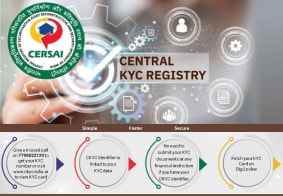
CKYC Registry



-
Customer Service Contact us Service request Locate a branch Complaints
Find all the help you need
Scan the QR, get our app, and find help on your fingertips

Help CenterSupport topics, Contact us, FAQs, Complaints and more
-
 Login
Login
Are you ready for an upgrade?
Login to the new experience with best features and services
-
Login
Are you ready for an upgrade?
Login to the new experience with best features and services
- Accounts
-
Deposits
IDFC FIRST Bank Deposits
View all Deposits -
Loans
IDFC FIRST Bank Loans
View all Loans - Wealth & Insure
-
Payments
IDFC FIRST Bank Payments
View all Payments -
Cards
IDFC FIRST Bank Cards
View all Cards - Blogs
- Corporate Account
-
Cash Management Services
IDFC FIRST Bank Cash Management Services
View all Cash Management Services - Supply Chain Finance
-
Corporate Lending
IDFC FIRST Bank Lending
View all -
Treasury
IDFC FIRST Bank Treasury
See more details - NBFC Financing
- BRAVO (Auto Sweep)
-
MSME Accounts
IDFC FIRST Bank MSME Accounts
View all Accounts -
Trade Services
- MSME Loan
-
MSME Solutions
- Debit Card
-
Offers




Help Center
Support topics, Contact us, FAQs, Complaints and more
Accounts
- IDFC FIRST Bank Accounts
-
Savings Account
-
Corporate Salary
Account -
Senior Citizens
Savings Account -
First Power
Account -
Current Account
-
NRI Savings
Account -
TASC Institutional
Account -
Savings Account
Interest Calculator
Deposits
- IDFC FIRST Bank Deposits
-
Fixed Deposit
-
Recurring Deposit
-
NRI Fixed Deposit
-
Safe Deposit Locker
-
FD Calculator
-
RD Calculator
Loans
- IDFC FIRST Bank Loans
-
Personal Loan
-
Consumer Durable
Loan -
Home Loan
-
Business Loan
-
Professional Loan
-
Education Loan
-
New Car Loan
-
Pre-owned Car Loan
-
Two Wheeler Loan
-
Pre-owned Two
Wheeler Loan -
Commercial Vehicle
Loan -
Gold Loan
-
Loan Against Property
-
Loan Against Securities
-
Easy Buy EMI card
-
Personal Loan
EMI Calculator -
Education Loan
EMI Calculator -
Home Loan
EMI Calculator -
EMI Calculator
-
Personal Loan Eligibility Calculator
Wealth & Insure
- IDFC FIRST Bank Wealth & Insure
-
FIRST Select
-
FIRST Wealth
-
FIRST Private
-
Mutual Funds
-
Sovereign Gold Bond
-
Demat Account
-
Term Insurance
-
Life Insurance
-
Health Insurance
-
General Insurance
-
Bonds
-
Loan Against
Securities -
Portfolio Management
Service
Payments
- IDFC FIRST Bank Payments
-
FASTag
-
Credit Card
Bill Payments -
UPI
-
Funds Transfer
-
Forex Services
-
Pay Loan EMI
Cards
- IDFC FIRST Bank Cards
-
Ashva :
Metal Credit Card -
Mayura :
Metal Credit Card -
FIRST Millennia
Credit Card -
FIRST Classic
Credit Card -
FIRST Select
Credit Card -
FIRST Wealth
Credit Card -
FIRST WOW!
Credit Card -
Deals
-
Debit Cards
-
Co-branded Cards
-
Credit Card
EMI Calculator -
FIRST Corporate
Credit Card -
FIRST Purchase
Credit Card -
FIRST Business
Credit Card
Premium Metal
- Premium Metal Credit Cards
-
AshvaLifestyle1% Forex₹2,999
-
MayuraLifestyleZero Forex₹5,999
-
FIRST PrivateInvite Only
Travel
- Best for travellers
-
Diamond Reserve Credit CardZero ForexTravel₹3,000
-
FIRST WOW! BlackZero ForexTravelDual Cards
-
IndiGo IDFC FIRST Dual Credit CardTravelLifestyle₹4,999
-
MayuraZero ForexMetal₹5,999
-
Ashva1% ForexMetal₹2,999
-
FIRST WOW!Zero ForexTravelLifetime Free
-
FIRST SWYPTravel OffersEMI₹499
-
FIRST Select1.99% ForexLifestyleLifetime Free
-
FIRST Wealth1.5% ForexLifestyleLifetime Free
-
Club VistaraTravelLifestyle₹4,999
Lifetime Free
- Max benefits, Free for life
-
FIRST Classic10X RewardsShoppingNever Expiring Rewards
-
FIRST Millennia10X RewardsShoppingNever Expiring Rewards
-
FIRST Select10X RewardsLifestyle1.99% Forex
-
FIRST Wealth10X RewardsLifestyle1.5% Forex
-
FIRST WOW!RewardsTravelZero Forex
-
LIC ClassicRewardsInsuranceShopping
-
LIC SelectRewardsInsuranceShopping
10X Rewards
- Reward Multipliers
-
Diamond Reserve Credit CardLifestyleZero Forex₹3,000
-
AshvaLifestyleMetal₹2,999
-
MayuraLifestyleZero Forex₹5,999
-
FIRST ClassicNever Expiring RewardsShoppingLifetime Free
-
FIRST MillenniaNever Expiring RewardsShoppingLifetime Free
-
FIRST SelectNever Expiring RewardsLifestyleLifetime Free
-
FIRST WealthNever Expiring RewardsLifestyleLifetime Free
UPI Cards
- Rewards & Credit on UPI
-
FIRST WOW! BlackUPIVirtualRewards
-
IndiGo IDFC FIRST Dual Credit CardUPITravelDual cards
-
FIRST Power+FuelUPI₹499
-
FIRST PowerFuelUPI₹199
-
FIRST EA₹NVirtual1% CashbackUPI
-
FIRST DigitalVirtualUPI₹199
Fuel & Utility
- Fuel and Savings
-
FIRST PowerRewardsUPI₹199
-
FIRST Power+RewardsUPI₹499
-
LIC ClassicRewardsInsuranceShopping
-
LIC SelectRewardsInsuranceShopping
Showstopper
- Express and Flaunt
-
Diamond Reserve Credit CardTravelZero Forex₹3,000
-
AshvaMetal1% Forex₹2,999
-
MayuraMetalZero Forex₹5,999
-
FIRST SWYPEMIOfferMAX₹499
-
FIRST MillenniaRewardsShoppingLifetime Free
Credit Builder
- FD Backed rewarding Credit Cards for all
-
FIRST WOW! BlackZero ForexTravelAssured
-
FIRST EA₹NVirtualCashbackUPI
-
FIRST WOW!Zero ForexTravelLifetime Free
-
CreditPro Balance TransferTransfer & SaveReduce InterestPay Smartly
More
NRI Savings Account
NRI Fixed Deposit
FOREX Solutions
- IDFC FIRST Bank NRI Forex Solutions
-
Send money to India-Wire transfer
-
Send money to India-Digitally
-
Send money abroad
-
Max Returns FD (INR)
Transfer to NRE
Corporate Account
Cash Management Services
Corporate Lending
Treasury
MSME Accounts
- IDFC FIRST Bank MSME Accounts
-
Platinum Current
Account -
Gold
Current Account -
Silver Plus
Current Account -
Merchant Multiplier
Account -
Agri Multiplier
Account -
TASC Institutional
Account -
Dynamic Current
Account -
World business
Account -
First Startup
Current Account -
EEFC Account
-
RERA Account
-
Other Accounts
Trade Services
MSME Loan
- IDFC FIRST Bank Business Loans
-
Business Loan
-
Professional Loan
-
Loan Against Property
-
Business Loan for Women
-
Working Capital Loan
-
Construction Equipment Loan
-
Machinery Loan
-
Healthcare Equipment Loan
MSME Solutions
- IDFC FIRST Bank Business Solutions
-
Payment Solutions
-
Tax Payments
-
Doorstep Banking
-
Point of Sale (POS)
-
Escrow Accounts
-
NACH
-
Payment Gateway
-
UPI
-
Virtual Accounts
Offers
About Us
Investors
ESG
-
As per amendment in the Income Tax Rules, PAN or Aadhaar are to be mandatorily quoted for cash deposit or withdrawal aggregating to Rupees twenty lakhs or more in a FY. Please update your PAN or Aadhaar. Kindly reach out to the Bank’s contact center on 1800 10 888 or visit the nearest IDFC FIRST Bank branch for further queries.
-
-
Most Searched



Sorry!
We couldn’t find ‘’ in our website
Here is what you can do :
- Try checking the spelling and search
- Search from below suggestions instead
- Widen your search & try a more generic keyword
Suggested


Get a Credit Card
Enjoy Zero Charges on All Commonly Used Savings Account Services
Open Account Now
How does inflation affect your savings account interest rates?
Key Takeaways
 Inflation lowers the real return on your savings because real interest equals nominal interest minus inflation.
- The RBI adjusts policy rates and tools like repo, CRR and SLR to manage inflation, which in turn affects savings interest rates.
- If inflation outpaces your savings interest, consider shifting some funds to higher returning assets instead of keeping everything in a savings account.
- Choosing a high interest savings account with monthly interest payout and low or zero fees can help preserve returns; consult a financial advisor for personalised decisions.

In the complex world of finance, the relationship between inflation and interest rates remains crucial for policymakers, investors, and everyday consumers. In simple terms, inflation refers to the rate at which the general level of prices for goods and services rises, thereby eroding customer’s purchasing power despite their earning remains unaffected. Interest rates, set by a country’s central bank, can either stimulate or curtail inflation.
By comprehending the intricate dance between inflation and interest rates, individuals can make informed decisions about their finances. In India, inflation was measured using the Wholesale Price Index (WPI) up to April 2014. However, the Reserve Bank of India (RBI) now employs the Consumer Price Index (CPI) to gauge inflation rates, believing it to be a more accurate reflection of the cost of living for the average consumer.
READ MORE


How are interest rates related to inflation?
In the complex world of finance, the relationship between inflation and interest rates remains crucial for policymakers, investors, and everyday consumers. In simple terms, inflation refers to the rate at which the general price levels for goods and services rises, eroding purchasing power. Interest rates, set by a country’s central bank, can either stimulate or curtail inflation. By comprehending the intricate dance between inflation and interest rates, individuals can make informed decisions about their finances. The RBI measured inflation using the Wholesale Price Index (WPI) till April 2014. However, the Reserve Bank of India (RBI) now employs the Consumer Price Index (CPI) to gauge inflation rates, believing it to be a more accurate reflection of the cost of living for the average consumer.
When interest rates fall, typically in a bid to stimulate spending and investment in the economy, saving becomes less attractive.
How are inflation rates and interest rates related?
At the heart of the connection between inflation and interest rates is the concept of “real interest rates.” The real interest rate is defined as the difference between the nominal interest rate (the interest rate before taking inflation into account) and the inflation rate.
For instance, if you have a savings account offering a 5% interest rate and the inflation rate is 3%, the real interest rate would be 2% (5% - 3%). By this calculation, your savings are growing by 2% annually in real terms once your bank accounts for inflation. The RBI, as the central bank of India, actively manages interest rates to control inflation and stabilise the economy. They use a set of tools:
Bank rates:
The rate at which RBI lends money to commercial banks without security.
Open Market Operation (OMO):
Buying and selling government securities in the open market to adjust the amount of money in the banking system.
Cash Reserve Ratio (CRR):
The percentage of bank deposits banks need to keep with the RBI.
Statutory Liquidity Ratio (SLR):
The percentage of deposits banks must maintain in the form of gold, government bonds, or other approved securities.
Repo rates:
The rate at which RBI lends money to commercial banks for a short term against government securities.
Marginal Standing Facility (MSF):
Helps banks borrow funds from the RBI against government securities.
Since inflation can reduce the overall yield from your savings account, you must opt for a bank that offers high interest rates savings account such as the IDFC FIRST Bank. Opening a savings account with IDFC FIRST Bank provides you with a higher rate with monthly interest payout facility to enhance your savings and beat the effect of inflation.
With unique Zero Fee Banking from IDFC FIRST Bank, your savings account further reduces the cost of using banking services, enabling you to save more. You can enjoy zero fees over common savings account services such as unlimited ATM withdrawals, online money transfers, debit card and DD issuance, cheque book re-issuance, SMS alert or setting up e-mandate completely free of charge for a rapid financial growth.
Inflation vs. interest rate: How does inflation affect your savings interest rates?
The interplay between inflation and interest rates has a direct impact on savers. When interest rates fall, typically in a bid to stimulate spending and investment in the economy, saving becomes less attractive. The returns on savings accounts dwindle, and after accounting for inflation, real returns might even be negative. On the other hand, when interest rates rise, usually to curb excessive inflation, saving becomes more enticing. Understanding the dynamic between inflation and interest rates can be the key to making the right financial decisions for an average individual. If inflation is high and interest rates are low, it might be a better idea to invest money in assets that can potentially offer higher returns, rather than leaving it in a savings account.
The nuanced relationship between inflation and interest rates is pivotal for shaping the economic landscape of a country. Users can make better-informed financial decisions and optimise returns on investments and savings. The RBI, in its role as the steward of India’s financial health, constantly fine-tunes interest rates to ensure a balanced economy. For the average Indian, keeping an eye on the dance between inflation and interest rates can be the key to unlocking smarter financial choices for Indians across income groups.
Disclaimer
The contents of this article/infographic/picture/video are meant solely for information purposes. The contents are generic in nature and for informational purposes only. It is not a substitute for specific advice in your own circumstances. The information is subject to updation, completion, revision, verification and amendment and the same may change materially. The information is not intended for distribution or use by any person in any jurisdiction where such distribution or use would be contrary to law or regulation or would subject IDFC FIRST Bank or its affiliates to any licensing or registration requirements. IDFC FIRST Bank shall not be responsible for any direct/indirect loss or liability incurred by the reader for taking any financial decisions based on the contents and information mentioned. Please consult your financial advisor before making any financial decision.
The features, benefits and offers mentioned in the article are applicable as on the day of publication of this blog and is subject to change without notice. The contents herein are also subject to other product specific terms and conditions and any third party terms and conditions, as applicable. Please refer our website www.idfcfirst.bank.in for latest updates.