








Login to Internet banking
A brand-new experience - smarter, faster, and secured




You gain a dedicated partner committed to helping you reach your full potential and achieve new heights
Know More

BRAVO (Auto Sweep)
Convert the idle funds in your current account into a fixed deposit with the BRAVO feature.
Know More
Zero Forex Markup Current Account
Maximise your savings and boost profitability with our Zero Forex Markup current accounts
Know More






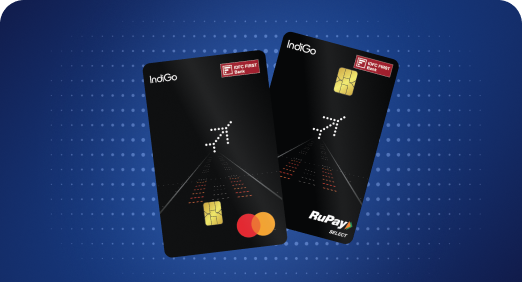

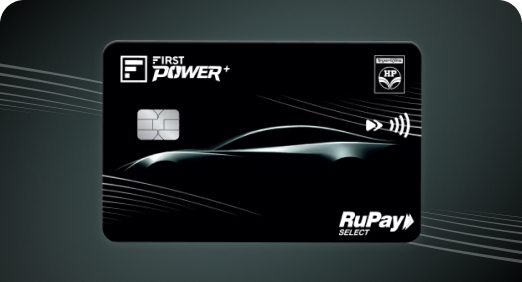
A Card that Powers your Savings & Lifestyle
IDFC FIRST Bank HPCL Credit Card









Most Searched
Earn up to 7% interest on your Savings Account
Open Account Now
Download our app
Get instant help for all your queries in one place
Unlock features, exclusively available
only on the IDFC FIRST Bank app
Trusted by 1.2+ million Indians.


4.8

4.8

Tools & Calculators
Privilege Program



Tools & Calculators

Unlock features, exclusively available
only on the IDFC FIRST Bank app
Personal Loan
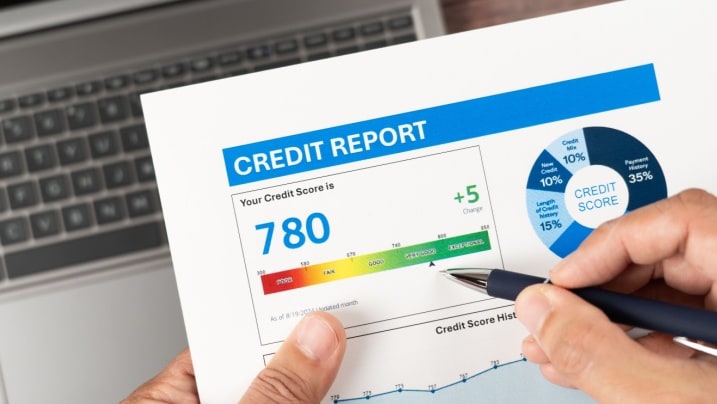
 A CIBIL score above 700 signals strong creditworthiness, helping you secure faster approvals, better loan terms, and lower interest rates on personal loans.
To maintain a score above 750, make timely payments, keep your credit utilisation below 30%, and review your credit report regularly for errors.
A strong credit score (710+) enhances your eligibility for affordable loans like the FIRSTmoney Smart Personal Loan from IDFC FIRST Bank with flexible tenures and zero foreclosure charges.
A CIBIL score above 700 signals strong creditworthiness, helping you secure faster approvals, better loan terms, and lower interest rates on personal loans.
To maintain a score above 750, make timely payments, keep your credit utilisation below 30%, and review your credit report regularly for errors.
A strong credit score (710+) enhances your eligibility for affordable loans like the FIRSTmoney Smart Personal Loan from IDFC FIRST Bank with flexible tenures and zero foreclosure charges.
Your CIBIL score gives a snapshot view of your creditworthiness to lenders. If you’ve managed to go beyond 700, your profile takes up a strong position. Lenders may prefer borrowers like you because it reflects responsible credit behaviour and a solid repayment history.
With a high score, you show that you are a low-risk borrower. Thus, you attract better terms and a favourable interest rate on loans and credit cards. Read ahead to explore the key benefits of having a good credit score and practical tips for maintaining it consistently.
Reaching a CIBIL score above 700 gives you an upper hand while applying for credit. It involves the following benefits that only get better when you learn how to maintain a CIBIL score above 750 over time:

· Easy loan approvals
With a credit score above 700, you show lenders that you are a responsible borrower with a history of timely repayments. Hence, your chances of getting loan approvals without any lengthy verification formalities increase. As lenders perceive borrowers in a good CIBIL score range as low-risk, they make getting credit easier with relaxed parameters.
For example, for a FIRSTmoney personal loan eligibility starts at a CIBIL score of 710.
· Faster loan processing
A CIBIL score of 700 or more may minimise the need for extensive verifications as lenders process your loan applications. You make the impression of a trustworthy borrower with a good score. Hence, lenders spend less time speculating on your profile if your income is also stable. This results in faster processing times and lets you get access to funds quickly in times of need.
· Attractive interest rates
The appealing interest rate offers you often see while comparing loans and credit cards are mostly reserved for borrowers with the highest CIBIL score. As you are close to it with a score of 700, you are likely to qualify for such favourable interest rates. As a result, your overall repayment burden and EMIs may be reduced, and you can enjoy financial flexibility to repay your dues smoothly.
· Access to premium offers
Some loan schemes and credit card deals are exclusively offered to borrowers with a good credit score. These may include pre-approved credit cards and loans, credit with zero processing fees, access to reward programs, and low interest rates. Lenders reserve these offers for the select few as a reward for a trustworthy credit profile. You can research and compare to get the best deal before you apply for credit.
E.g if you have a CIBIL score of 710+, you can apply for a personal loan of up to ₹15 lakh with FIRSTmoney.
· Better negotiating power
Some loan providers will reduce the interest rate and adjust the loan terms to make borrowing easier for you when your credit score is above 700. You may negotiate for lower interest rates, flexible repayment terms, reduced charges, and more. Lenders are more open to adjusting their terms to retain you when you qualify as a reliable borrower. You may get a competitive edge over borrowers with lower bargaining power and low scores.
· Higher credit limits
Banks and financial institutions may show a willingness to extend higher credit limits when you have a strong credit score. This helps you borrow for making big-ticket purchases, handling emergencies, or making considerable investments without waiting to build a corpus. However, with high credit limits comes responsible usage to protect your good credit score.
· Reduced dependence on guarantors
Depending on your credit limit or loan amount and cost of borrowing, it makes sense to have a guarantor to ease the loan burden. But a score above 700 may enable you to get substantial loans at a low cost. Hence, you may be in a better position to repay them comfortably. This, in turn, reduces dependency on guarantors or cosigners. You can borrow more confidently.
· Impact on future credit growth
If your current credit score is 700 and you continue to maintain, or preferably, boost it, you create a solid foundation for future credit opportunities. With a good credit profile, you can apply for larger loans, premium credit cards, or finance your business ideas with ease. You don’t have to hesitate or worry about qualifying for loans. You set yourself up for flexibility to make big money moves with greater borrowing power.
· Financial confidence
Maintaining a score in a good CIBIL score range is about gaining confidence when you apply for credit. When you approach your loan or credit card applications with a good credit score, you are better prepared to meet the eligibility requirements. In fact, with a favourable credit score, lenders will themselves approach you with attractive credit offers. An added perk with the confidence is the motivation to continue enjoying the benefits with disciplined financial habits.
· Better loan terms
As is evident by now, a good credit score changes the way lenders treat you. This means you typically receive favourable loan terms as you are viewed as a valuable applicant. You may get relief in terms of collateral requirements in secured loans, longer repayment periods, low processing fees, better rates, etc. All of this simplifies borrowing and makes getting and managing credit convenient.
Reaching a high score of 700 is an achievement, but your efforts don’t end there. Maintaining your carefully built credit score is just as important. It’s even better if you can increase it to 750 or higher and manage to keep it steady.
Refer to these practical tips to consistently stay in the good CIBIL score range:
· Pay on time, every time
Your repayment history is the basis of your CIBIL score. Every single missed EMI or delayed credit payment has an impact on your score. Hence, maintain a disciplined approach to repayments. Set reminders or automate payments to avoid delays or defaults.
· Use credit wisely
A high credit limit is good to have, but not good to exploit. Even if you can borrow more, try to keep your credit utilisation below 30% of the available limit. This way, you show that you have financial control and presents you as a low-risk borrower to lenders.
· Regularly monitor your credit report
Sometimes, your actions might not be harming your CIBIL score, but the errors in your credit report. Even as the most responsible borrower, your credit score can take a hit due to inaccuracies in your credit report. Make it a habit to check for such errors and dispute them with your credit bureau immediately.
· Avoid simultaneous credit applications
Applying for multiple loans and credit cards at once to increase your chances of approval attracts hard enquiries. These enquiries can bring down your score. Instead, you can plan your applications based on your eligibility and apply only when you are sure of the lender and their terms.
· Say no to co-signing unless necessary
Since you have a good credit score, you might want to help out a close friend or family member with their loan. While it is a noble decision, it can impact your credit score negatively. The primary borrower’s financial behaviour directly impacts your credit profile. Thus, it’s in your best interest to avoid co-signing unless you’re confident about the co-signee’s repayment capability.
· Prepare for repayments before applying
Even though you need to deal with the repayments after getting the loan credited, it’s always better to plan proactively. You want to evaluate your repayment capacity and plan out how you will manage your EMIs before you apply for credit. This way, you can make a responsible decision and maintain your credit score in the high range.
· Plan for emergencies
Emergencies like medical mishaps, home and car repairs, and other sudden expenses can disrupt your finances. When things get worse, the last resort is borrowing. Applying for credit under such circumstances often leads to poor choices. When not managed wisely, your credit score gets affected. Having an emergency fund to deal with such scenarios helps avoid this.
· Avoid stacking unnecessary credit
While it is good to have a healthy credit mix with diverse loans, it does not translate to borrowing unnecessarily. Plus, a credit score of 700 will let you borrow with good offers. Before proceeding, ask yourself if you need more credit and if it fits into your current debt-to-income ratio. Avoid overburdening yourself unnecessarily to protect your credit score.
No, checking your own CIBIL score does not lower it. This is one of the most common misconceptions that stops people from monitoring their credit report as often as they should.
· Self-checks count as soft enquiries
When you check your own score, whether through a bank's app, a credit bureau's website, or another free credit report service, it is recorded as a soft enquiry. Soft enquiries have no impact on your CIBIL score, no matter how frequently you check.
· Hard enquiries work differently
A hard enquiry happens when a lender checks your credit report as part of processing your loan or credit card application. Multiple hard enquiries within a short span can bring your score down temporarily, since it may signal that you are actively seeking credit from several sources at once.
· Why regular self-checks are worth the habit
Since self-checks carry no risk to your score, reviewing your credit score every few months is worth building into a habit. It helps you catch inaccuracies early, track how your score is trending, and confirm that your repayment history is being reported correctly by your lenders.
Crossing the 700-credit score mark is proof that you have managed your credit well, and you will reap the many benefits for it as discussed above. Having understood what a good credit score is and how to maintain it, you are now prepared to create lasting financial stability.
Your consistent efforts may also lead to increasing your credit score further up to 850-900. No matter your score, the key is to continue with steady efforts to maintain your credibility.
If you are looking for affordable loan options with your current score of 710 and above, you can get up to ₹15 lakhs with FIRSTmoney Smart Personal loan by IDFC FIRST Bank. You can opt for a tenure between 9 to 60 months and benefit from zero foreclosure charges.
Yes, 900 is the highest possible CIBIL score, and you can achieve it with consistent repayment history, low credit utilisation, and responsible borrowing with zero defaults. However, this is extremely rare.
You can reach a CIBIL score of 800 from 750 by paying your EMIs on time, keeping your credit utilisation low, maintaining long-standing credit accounts, and borrowing as per your affordability.
You can upgrade from a low CIBIL score of 600 to the acceptable 750 by clearing your outstanding dues on time, limiting credit card usage, checking your credit report for errors, and limiting additional loan applications before you become financially steady. Read more here: How to Improve Your CIBIL Score from 600 to 750 Quickly
The contents of this article/infographic/picture/video are meant solely for information purposes. The contents are generic in nature and for informational purposes only. It is not a substitute for specific advice in your own circumstances. The information is subject to updation, completion, revision, verification and amendment and the same may change materially. The information is not intended for distribution or use by any person in any jurisdiction where such distribution or use would be contrary to law or regulation or would subject IDFC FIRST Bank or its affiliates to any licensing or registration requirements. IDFC FIRST Bank shall not be responsible for any direct/indirect loss or liability incurred by the reader for taking any financial decisions based on the contents and information mentioned. Please consult your financial advisor before making any financial decision.
The features, benefits and offers mentioned in the article are applicable as on the day of publication of this blog and is subject to change without notice. The contents herein are also subject to other product specific terms and conditions and any third party terms and conditions, as applicable. Please refer our website www.idfcfirst.bank.in for latest updates.