








Login to Internet banking
A brand-new experience - smarter, faster, and secured



You gain a dedicated partner committed to helping you reach your full potential and achieve new heights
Know More
BRAVO (Auto Sweep)
Convert the idle funds in your current account into a fixed deposit with the BRAVO feature.
Know More
Zero Forex Markup Current Account
Maximise your savings and boost profitability with our Zero Forex Markup current accounts
Know More





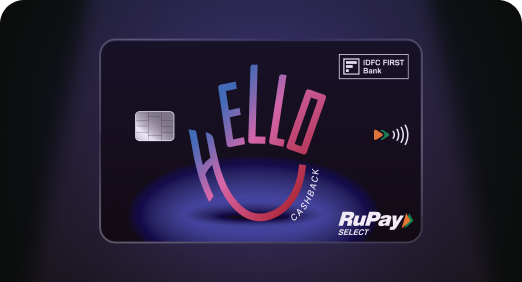
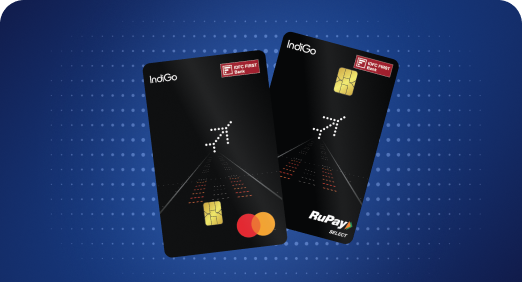

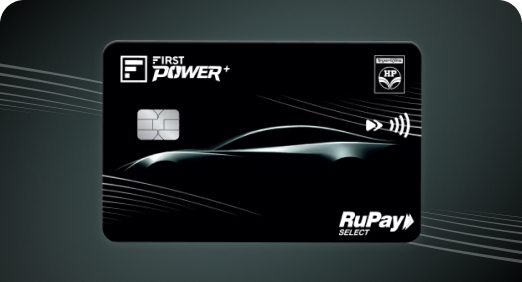
A Card that Powers your Savings & Lifestyle
IDFC FIRST Bank HPCL Credit Card









Most Searched
Earn up to 7% interest on your Savings Account
Open Account Now
Download our app
Get instant help for all your queries in one place
Unlock features, exclusively available
only on the IDFC FIRST Bank app
Trusted by 1.2+ million Indians.

4.8

4.8

Tools & Calculators
Privilege Program



Tools & Calculators

Unlock features, exclusively available
only on the IDFC FIRST Bank app
Savings Account
 A savings account provides a secure place for your money, offering financial stability and a readily accessible emergency fund for unexpected expenses or financial setbacks.
By maintaining a higher balance, you maximise the benefits of compounding interest and enhance your long-term financial growth.
Utilising a savings account helps in tracking and managing your finances more effectively. It simplifies expense tracking, aids in budgeting, and automates bill payments, reducing financial stress and promoting disciplined saving.
With IDFC FIRST Bank, you can strengthen these benefits further with competitive interest rates of up to 7% p.a., monthly interest credits, convenient digital banking that supports disciplined saving.
A savings account provides a secure place for your money, offering financial stability and a readily accessible emergency fund for unexpected expenses or financial setbacks.
By maintaining a higher balance, you maximise the benefits of compounding interest and enhance your long-term financial growth.
Utilising a savings account helps in tracking and managing your finances more effectively. It simplifies expense tracking, aids in budgeting, and automates bill payments, reducing financial stress and promoting disciplined saving.
With IDFC FIRST Bank, you can strengthen these benefits further with competitive interest rates of up to 7% p.a., monthly interest credits, convenient digital banking that supports disciplined saving.
In today’s uncertain world, financial preparedness is no longer optional—it’s essential. A savings account remains one of the most reliable tools to safeguard your money while also helping it grow steadily. Unlike keeping idle cash at home, a savings account ensures security, liquidity, and consistent interest earnings. With IDFC FIRST Bank offering competitive interest rates of up to 7% p.a. and value-added features, parking your money in a savings account not only protects your funds but also sets the foundation for achieving short-term needs and long-term goals.
When considering the importance of savings, you also need to know where and how to save your money. Although there are several ways, one of the first steps is opening a savings bank account.
As the name suggests, a savings account allows you to park or deposit your money safely with a bank. You will be paid interest on the amount kept in your savings account. Here are a few benefits of having a savings account with a bank:
The amount deposited in a savings account stays there unless you withdraw or transfer it to a different bank account. Keeping your money in a savings account eliminates the risks associated with cash. Nobody can withdraw money from your savings account without your approval.
Modern savings accounts also include app-based security controls (like card on/off, spending limits, and real-time alerts) that add an extra layer of protection.
When your money is in a savings account, you start to earn interest. This way, your money keeps growing over time. Usually, savings account interest rates in India range between 3-5%, but some banks can provide a higher rate. For instance, IDFC FIRST Bank offers interest rates as high as 7% p.a. Another factor to consider is how often the interest is credited to your account. Monthly interest credits enhance compounding, helping your balance grow more steadily across the year.
The most common services that most banks offer include net or online banking, debit-cum-ATM cards, a chequebook, National Electronic Funds Transfer (NEFT), Real Time Gross Settlement (RTGS), etc. These services allow you to make payments and transfer money on the go.
You might have to deal with a lot of expenses each month, from utility and mobile bills to loan Equated Monthly Instalments (EMIs). Keeping track of these bills can be a tedious task. If you have a savings account, you can have standing instructions with your bank to pay all your bills on time by deducting the money directly from your account. Automating essentials reduces late fees and frees up mental bandwidth for bigger financial goals.
When you file your Income Tax Return (ITR), you must calculate your gross income during a financial year and submit proof of this income. By using a savings account to receive all your payments, incentives, and salary, you can easily assess your annual income. Consolidated statements and downloadable summaries make ITR filing smoother and faster.
Keeping track of cash expenses can be a difficult thing to do. However, when you use your savings account to make all your payments, it becomes a lot easier to track monthly expenses and transactions. This allows you to avoid overspending and manage your finances appropriately. To know your transactions during a specific period, you can download your account statement. You can also use the bank app’s spend analytics and categories to spot patterns and trim non-essentials quickly.
If you only maintain the minimum balance in your savings account, you will not be able to extract its complete benefits. Here is why:
Keep more than the minimum balance in your savings account to cover unexpected day-to-day expenses and avoid penalties. A healthy buffer ensures liquidity and protects you from short-term financial shocks without disrupting your budget.
An emergency fund is an essential aspect of prudent financial planning. Keeping money in your savings account specifically earmarked for emergencies ensures that you are prepared for life's unpredictable moments. Financial experts recommend having at least three to six months' worth of living expenses saved. This fund provides peace of mind and ensures you can cover basic expenses during tough times without compromising your financial health.
Consider a separate “Emergency” sub-account so you don’t use it accidentally.
Saving money allows you to plan and achieve your future goals, whether it’s buying a home, pursuing higher education, starting a business, or taking a dream vacation. By regularly depositing money into your savings account, you are systematically working towards these aspirations. A healthy savings balance gives you the financial foundation to make significant investments or purchases that align with your long-term goals.
Automate goal-based transfers (for example, home, education, travel) to stay consistent without thinking about it every month.
Financial stress can have a profound impact on your overall well-being. By keeping maximum money in your savings account, you can significantly reduce this stress. Knowing that you have a financial cushion can help you feel more secure and confident in your financial decisions. This security allows you to focus on other aspects of your life without constantly worrying about money. That peace of mind is often the biggest return your savings deliver.
Compounding interest refers to that which is earned on the interest already deposited into your account. It helps grow your money significantly over time.
Higher balances + more frequent interest credits = faster compounding momentum.
Cash kept at home is easily accessible but can lead to frivolous spending. Hence, it is better to deposit all your money into a savings account. This way, you will learn the importance of saving for your future and can also avoid spending on things that are not necessary.
Keeping discretionary money in a separate “Spends” sub-account can add a helpful speed bump before impulse purchases.
The true power of a savings account isn’t just interest earned—it’s the habit of planning, prioritising, and protecting your future.
Here are a few tips you can follow to keep saving money in your savings account.
One of the most effective ways to save money is to automate your savings. Set up an automatic transfer from your checking account to your savings account each month. By automating this process, you ensure that a portion of your income is saved before you have a chance to spend it. This method promotes consistent saving and can help you build a substantial savings balance over time.
Increase the auto-transfer by 5–10% every time you get a salary hike to accelerate progress painlessly.
Keeping track of your spending is essential for understanding where your money goes. Use budgeting apps or maintain a spending journal to monitor your expenses. By being aware of your spending habits, you can identify areas where you can cut back and allocate more money towards savings. This practice helps in making informed financial decisions and avoiding unnecessary expenditures.
Weekly 10-minute reviews are enough to keep you on track. Make sure to set a recurring reminder for regular reviews.
Evaluate your expenses critically and identify areas where you can cut back. Unnecessary expenses, such as dining out frequently, subscription services you rarely use, or impulse purchases, can add up over time. By reducing these costs, you can redirect more money into your savings account. Small adjustments in your spending habits can lead to significant savings over the long term.
Quick win: Cancel unused subscriptions and redirect that exact amount to your savings the same day.
Creating a budget is a fundamental step in managing your finances effectively. A budget helps you allocate your income towards essential expenses, savings, and discretionary spending. By setting clear financial goals and sticking to your budget, you can ensure that you are living within your means and prioritising savings. A well-planned budget allows you to track your progress and make necessary adjustments to stay on course.
A helpful starting point is the 50-30-20 framework, which divides your income into 50% for needs, 30% for wants, and 20% for savings or debt repayment. You can tweak it to fit your reality. For example, 60-20-20 if rent or essential expenses are higher.
Excessive use of credit cards can lead to high-interest debt and financial strain. To save money, it is advisable to limit your credit card usage and avoid carrying balances from month to month. Use credit cards responsibly and only for necessary purchases. Paying off your credit card balances in full each month can help you avoid interest charges and keep your finances in check.
Use your savings account’s alerts to get nudges when big spends hit your card, so you stay intentional.
Building wealth doesn’t always require complex investment strategies—it often starts with something as simple as maintaining a strong savings account. By prioritising disciplined saving, keeping a healthy balance, and leveraging benefits such as interest earnings, automated payments, and digital access, you create a safety net for today while preparing for tomorrow. The IDFC FIRST Bank savings account makes this journey easier with high interest rates of up to 7% p.a., monthly interest credits, and seamless digital tools, empowering you to save more, worry less, and grow your financial confidence.
Open a savings account online today!
The contents of this article/infographic/picture/video are meant solely for information purposes. The contents are generic in nature and for informational purposes only. It is not a substitute for specific advice in your own circumstances. The information is subject to updation, completion, revision, verification and amendment and the same may change materially. The information is not intended for distribution or use by any person in any jurisdiction where such distribution or use would be contrary to law or regulation or would subject IDFC FIRST Bank or its affiliates to any licensing or registration requirements. IDFC FIRST Bank shall not be responsible for any direct/indirect loss or liability incurred by the reader for taking any financial decisions based on the contents and information mentioned. Please consult your financial advisor before making any financial decision.
The features, benefits and offers mentioned in the article are applicable as on the day of publication of this blog and is subject to change without notice. The contents herein are also subject to other product specific terms and conditions and any third party terms and conditions, as applicable. Please refer our website www.idfcfirst.bank.in for latest updates.


You will earn