













Login to Internet banking
A brand-new experience - smarter, faster, and secured

Introducing the First-in-industry IDFC FIRST Bank's Super Account
Request a Callback
You gain a dedicated partner committed to helping you reach your full potential and achieve new heights
Know More
BRAVO (Auto Sweep)
Convert the idle funds in your current account into a fixed deposit with the BRAVO feature.
Know More
Zero Forex Markup Current Account
Maximise your savings and boost profitability with our Zero Forex Markup current accounts
Know More
Make more than one online payment in just a few clicks with IDFC FIRST Bank Bulk Payments
Know More



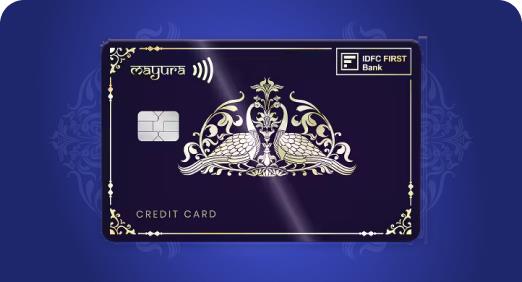

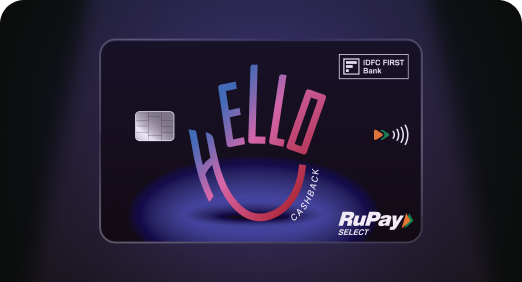
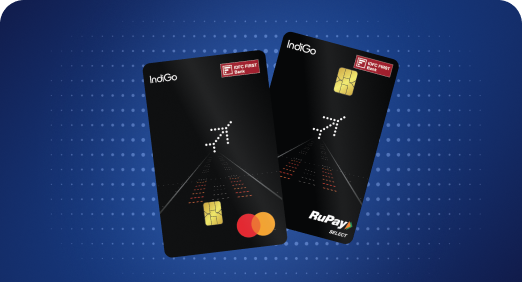

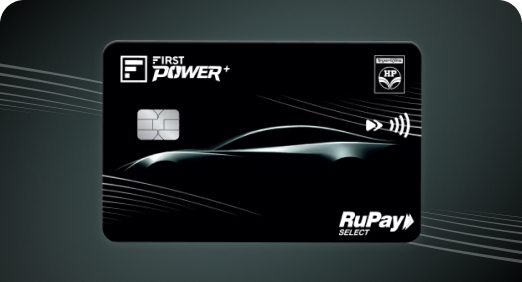
A Card that Powers your Savings & Lifestyle
IDFC FIRST Bank HPCL Credit Card






Most Searched

Earn up to 6.50% interest on your Savings Account
Open Account Now
Download our app
Get instant help for all your queries in one place
Unlock features, exclusively available
only on the IDFC FIRST Bank app
Trusted by 1.2+ million Indians.


4.8

4.8

Tools & Calculators
Privilege Program



Tools & Calculators

Unlock features, exclusively available
only on the IDFC FIRST Bank app
 Saving a fixed portion of your salary consistently ensures both short-term and long-term financial stability.
Automating transfers from your salary account to savings or investment accounts reduces the temptation to overspend.
Monitoring your expenses, maintaining a budget, and avoiding unnecessary purchases can help maximise savings.
Digital banking tools, such as the IDFC FIRST Bank mobile app, simplify managing and growing your savings.
Saving a fixed portion of your salary consistently ensures both short-term and long-term financial stability.
Automating transfers from your salary account to savings or investment accounts reduces the temptation to overspend.
Monitoring your expenses, maintaining a budget, and avoiding unnecessary purchases can help maximise savings.
Digital banking tools, such as the IDFC FIRST Bank mobile app, simplify managing and growing your savings.
As your salary grows, so does the tendency to spend more. Wants turn into perceived necessities, and without discipline, financial goals can slip away. By adopting practical saving strategies and leveraging high-interest savings accounts and digital banking solutions from IDFC FIRST Bank, you can build long-term wealth while managing daily expenses efficiently.
The 50/30/20 rule, 50% for needs, 30% for wants, 20% for savings, is a popular budgeting guideline. But life isn’t always so simple. If you’re saving for a big goal, like a down payment on a house, you may need to push savings to 30–40%.
Start with 20%. Revisit your savings rate every six months. Increase it after salary hikes. Even a 2–3% bump makes a difference over time.
With IDFC FIRST Bank you can use automatic transfers to push this percentage into a separate high-interest savings account, so it’s out of sight and less tempting to spend.
Budgeting doesn’t mean cutting joy out of your life; it means clarity. Break expenses into:
· Fixed costs: Rent, EMIs, utilities.
· Variable costs: Groceries, shopping, entertainment.
· Discretionary spends: Travel, hobbies.
Use the IDFC FIRST Bank mobile app to track spends by category. At month’s end, review where money leaks are happening.
Pro tip: Aim to cap “discretionary spends” at 20–25% of your salary.
Think of savings as your first bill. Transfer a portion of your salary to savings the moment it hits your account. Automate this. For example, set up a standing instruction to transfer ₹10,000 every payday into a separate account or SIP.
With IDFC FIRST Bank, you enjoy monthly credited interest, so your savings compound without friction.
It’s not the big spends that sink your budget; it’s the small, frequent ones. A daily coffee, late-night food delivery, or ride-hailing service may not seem like much, but they add up.
Conduct a “money audit” every month. Review your last 30 days of spending, identify three categories where you overspent, and set a target to cut those expenses by 10–15% in the following month.
When salaries rise, it’s tempting to upgrade your lifestyle. It’s good to enjoy your success but unchecked lifestyle inflation can eat into savings.
· Limit dining out to two or three times a month.
· Swap expensive weekend outings for budget-friendly experiences.
· Reduce electricity bills by switching off unused appliances and choosing energy-efficient options.
Example: Saving ₹2,000 a month by cutting back on eating out = ₹24,000 in a year. Invested at 7% interest, it becomes nearly ₹34,000 in 5 years.
When you get a raise, it’s tempting to upgrade your lifestyle. Instead, lock in your future wealth first.
For every increment, allocate at least 30–40% directly to savings. For example, if you get a ₹10,000 raise, put ₹3,000–₹4,000 into investments or savings before adjusting your spending. This way, you’ll still enjoy more disposable income while building wealth faster.
Saving without a goal feels like sacrifice. Goals give purpose and motivation. Write down three goals: short-term (like a holiday), medium-term (buying a car), and long-term (retirement or buying a home). Assign timelines and amounts to each.
With IDFC FIRST Bank, you can align these goals with different savings products: high-interest savings accounts, SIPs, or fixed deposits. Seeing your progress keeps you motivated.
Many people think only large savings matter, but it’s consistency that builds wealth. Small savings compound over time. Cancel unused subscriptions, skip impulsive online purchases, or transfer cashback rewards directly into your savings account.
Example: Saving ₹500 every week adds up to ₹26,000 in a year and over ₹2.6 lakh in 10 years, even before adding interest.
The easiest way to save is to remove willpower from the equation. Automation ensures consistency. Maintain two accounts: one for spending and one purely for savings. Set up an auto-transfer the day your salary is credited. This way, you never “see” the money you intend to save.
With IDFC FIRST Bank salary accounts, enjoy zero-fee transfers, unlimited free ATM withdrawals, and up to 6.50% p.a. with monthly interest credits, so your automated savings grow steadily.
Debt isn’t always bad. A home loan or education loan can be an investment in your future. But high-interest debt like credit cards can spiral quickly. Keep your EMIs below 30–35% of your salary. Always clear credit card dues in full to avoid interest. Prioritise repaying high-interest loans first.
A good rule is to save at least 20% of your income. But the right number depends on your situation.
· If you’re debt-free and aiming for big goals, push it higher, such as 30–40%.
· If you’re repaying loans, start smaller but increase your rate with each raise.
Think of saving as paying your future self. Even small amounts add up significantly with consistency and compounding.
Saving from your salary isn’t about restriction; it’s about balance and foresight. Even small, consistent savings today can compound into life-changing wealth tomorrow.
Parking your salary savings in the right account makes a huge difference. Look for:
· High interest rates so your money grows even when idle.
· Monthly credit of interest so compounding starts sooner.
· Zero-fee banking so charges don’t eat into your returns.
With IDFC FIRST Bank Salary Accounts, you enjoy up to 6.50% p.a. on savings balances, interest credited monthly, and zero fees on all common salary account services. That means your money works harder without hidden costs.
Saving from your salary isn’t about living a restricted life; it’s about building balance, discipline, and foresight. By following a flexible savings rule, tracking expenses, and automating transfers, you can steadily build wealth while still enjoying the present.
With IDFC FIRST Bank’s salary accounts - zero-fee banking, unlimited ATM withdrawals, monthly interest credits, and up to 6.50% p.a. interest - you can make every paycheck work harder for you.
As Warren Buffett wisely said: “Do not save what is left after spending, but spend what is left after saving.” Start today and let your salary fund both your present comfort and your future success.
The contents of this article/infographic/picture/video are meant solely for information purposes. The contents are generic in nature and for informational purposes only. It is not a substitute for specific advice in your own circumstances. The information is subject to updation, completion, revision, verification and amendment and the same may change materially. The information is not intended for distribution or use by any person in any jurisdiction where such distribution or use would be contrary to law or regulation or would subject IDFC FIRST Bank or its affiliates to any licensing or registration requirements. IDFC FIRST Bank shall not be responsible for any direct/indirect loss or liability incurred by the reader for taking any financial decisions based on the contents and information mentioned. Please consult your financial advisor before making any financial decision.
The features, benefits and offers mentioned in the article are applicable as on the day of publication of this blog and is subject to change without notice. The contents herein are also subject to other product specific terms and conditions and any third party terms and conditions, as applicable. Please refer our website www.idfcfirst.bank.in for latest updates.