








Login to Internet banking
A brand-new experience - smarter, faster, and secured


BRAVO (Auto Sweep)
Convert the idle funds in your current account into a fixed deposit with the BRAVO feature.
Know More

Zero Forex Markup Current Account
Maximise your savings and boost profitability with our Zero Forex Markup current accounts
Know More
BRAVO (Auto Sweep)
Convert the idle funds in your current account into a fixed deposit with the BRAVO feature.
Know More
You gain a dedicated partner committed to helping you reach your full potential and achieve new heights
Know More





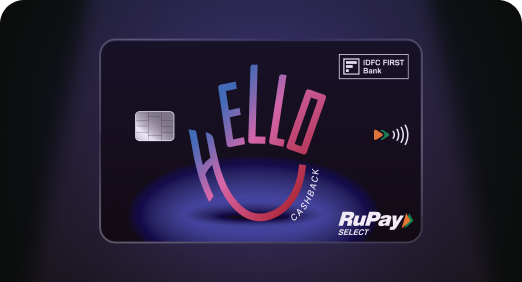

Enjoy Zero Forex on all IDFC FIRST Bank Credit Cards
Save more on all international spends
Know More
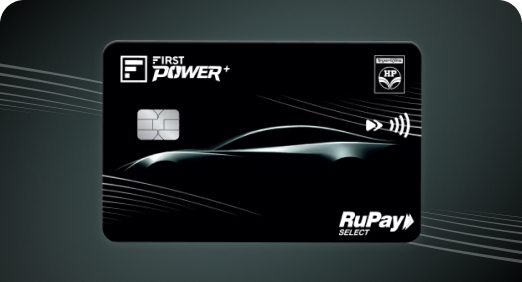
A Card that Powers your Savings & Lifestyle
IDFC FIRST Bank HPCL Credit Card









Most Searched
Earn up to 7% interest on your Savings Account
Open Account Now
Download our app
Get instant help for all your queries in one place
Unlock features, exclusively available
only on the IDFC FIRST Bank app
Trusted by 1.2+ million Indians.


4.8

4.8

Tools & Calculators
Privilege Program



Tools & Calculators

Unlock features, exclusively available
only on the IDFC FIRST Bank app
The 2020 Union Budget brought in a consequential change in the Indian taxation system – the new tax regime. The Government of India has provided taxpayers with the option of opting for the tax regime of their choosing. Also from AY 24-25 new regime will be default option to tax payer and they have to choose for the old tax regime. The old tax regime had four tax slabs, each catering to a different range of an individual’s income. However, this change in regime means more than just an increase in the number of tax slabs. Read on to know about the new tax regime and the ways in which it differs from the old tax regime.
We are all aware that Finance Minister Ms. Nirmala Sitharaman announced the new tax regime in the 2020 budget; thereby doing away with all the deductions and exemptions that a taxpayer could avail under the old tax regime and introducing more tax slabs. To understand the consequences of this regime for every taxpayer, we must first understand the definition of the term and its features. The new tax regime, introduced in the Budget 2020, provides taxpayers across the country with the option of paying income tax at lower rates under Section 115BAC of the Income Tax Act.
The finance minister announces the income tax slabs for the upcoming financial year in every Union Budget. Before the Budget 2020, the tax slabs of the old tax regime looked like this:
| Income Tax Slab | Income Tax Rate |
| Up to ₹ 2,50,000 | NIL |
| ₹ 2,50,001 - ₹ 5,00,000 | 5% above ₹ 2,50,000 |
| ₹ 5,00,001 - ₹ 10,00,000 | ₹ 12,500 + 20% above ₹ 5,00,000 |
| Above ₹ 10,00,000 | ₹ 1,12,500 + 30% above ₹ 10,00,000 |
Moving on, the new tax regime adds three more tax slabs to these tax slabs, taking the total number of tax slabs in the new tax regime to 7. Here are the tax slabs for AY 2022-2023:
| Income Tax Slab | Income Tax Rate |
| Up to ₹ 3,00,000 | NIL |
| ₹ 3,00,001 - ₹ 6,00,000 | 5% above ₹ 3,00,000 |
| ₹ 6,00,001 - ₹ 9,00,000 | ₹ 15,000 + 10% above ₹ 6,00,000 |
| ₹ 9,00,001 - ₹ 12,00,000 | ₹ 45,000 + 15% above ₹ 9,00,000 |
| ₹ 12,00,001 - ₹ 15,00,000 | ₹ 90,000 + 20% above ₹ 12,00,000 |
| Above ₹ 15,00,000 | ₹ 1,50,000 + 30% above ₹ 15,00,000 |
The table that you just saw, however, displays the new tax regime tax slabs for individuals (resident or non-resident) who are less than 60 years of age. Here is a comparison of the new tax regime tax slabs for individuals (resident or non-resident) who are more than 60 years of age, but less than 80 years of age.
| Old Tax Regime | New Tax Regime | ||
| Income Tax Slab | Income Tax Rate | Income Tax Slab | Income Tax Rate |
| Up to ₹ 3,00,000 | NIL | Up to ₹ 3,00,000 | NIL |
| ₹ 3,00,001 - ₹ 5,00,000 | 5% above ₹ 3,00,000 |
₹ 3,00,001 - ₹ 6,00,000 | 5% above ₹ 3,00,000 |
| ₹ 5,00,001 - ₹ 10,00,000 | ₹ 10,000 + 20% above ₹ 5,00,000 | ₹ 6,00,001 - ₹ 9,00,000 | ₹ 15,000 + 10% above ₹ 6,00,000 |
| Above ₹ 10,00,000 | ₹ 1,10,000 + 30% above ₹ 10,00,000 | ₹ 9,00,001 - ₹ 12,00,000 | ₹ 45,000 + 15% above ₹ 9,00,000 |
| ₹ 12,00,001 - ₹ 15,00,000 | ₹ 90,000 + 20% above ₹ 12,00,000 | ||
| Above ₹ 15,00,000 | ₹ 1,50,000 + 30% above ₹ 15,00,000 | ||
The new tax regime is applicable on income earned from 1st April 2020 (FY 2020-2021) which relates to AY 2021-2022.
As mentioned earlier, the new tax regime’s implementations have farther-reaching effects and implications. Here are the deductions or exemptions for which you shall not be eligible under the new tax regime:
The following allowances can be claimed under the new tax regime:
Your choice of tax regime would depend on various aspects related to your personal finances. Some of the considerations that you must make are – whether you have a housing loan, whether you contribute towards EPF (Employee Provident Fund), whether you receive HRA (House Rent Allowance) benefits, and so on.
Disclaimer
The contents of this article/infographic/picture/video are meant solely for information purposes. The contents are generic in nature and for informational purposes only. It is not a substitute for specific advice in your own circumstances. The information is subject to updation, completion, revision, verification and amendment and the same may change materially. The information is not intended for distribution or use by any person in any jurisdiction where such distribution or use would be contrary to law or regulation or would subject IDFC FIRST Bank or its affiliates to any licensing or registration requirements. IDFC FIRST Bank shall not be responsible for any direct/indirect loss or liability incurred by the reader for taking any financial decisions based on the contents and information mentioned. Please consult your financial advisor before making any financial decision.
The features, benefits and offers mentioned in the article are applicable as on the day of publication of this blog and is subject to change without notice. The contents herein are also subject to other product specific terms and conditions and any third party terms and conditions, as applicable. Please refer our website www.idfcfirst.bank.in for latest updates.