







Login to Internet banking
A brand-new experience - smarter, faster, and secured




BRAVO (Auto Sweep)
Convert the idle funds in your current account into a fixed deposit with the BRAVO feature.
Know More

Zero Forex Markup Current Account
Maximise your savings and boost profitability with our Zero Forex Markup current accounts
Know More
BRAVO (Auto Sweep)
Convert the idle funds in your current account into a fixed deposit with the BRAVO feature.
Know More
You gain a dedicated partner committed to helping you reach your full potential and achieve new heights
Know More







Enjoy Zero Forex on all IDFC FIRST Bank Credit Cards
Save more on all international spends
Know More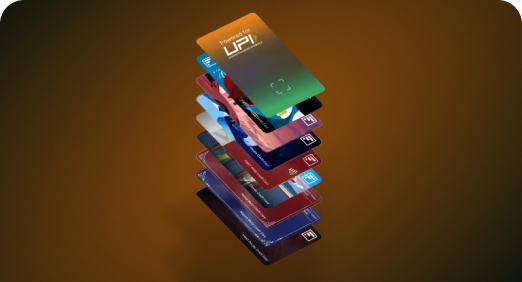
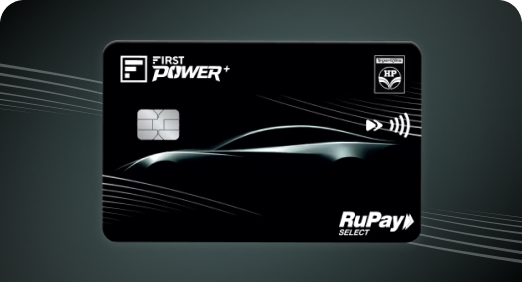
A Card that Powers your Savings & Lifestyle
IDFC FIRST Bank HPCL Credit Card









Most Searched
Earn up to 7% interest on your Savings Account
Open Account Now
Download our app
Get instant help for all your queries in one place
Unlock features, exclusively available
only on the IDFC FIRST Bank app
Trusted by 1.2+ million Indians.


4.8

4.8

Tools & Calculators
Privilege Program



Tools & Calculators

Unlock features, exclusively available
only on the IDFC FIRST Bank app
Personal Loan
 Interest is charged on the entire principal amount over the entire loan term at flat rates, which results in greater expense.
The reducing balance interest rate charges interest on the outstanding principal amount, making it a cost-effective option.
Flat-rate loans are more suitable for short-term borrowing, while reducing balance loans are more suitable for long-term loans.
While borrowing a loan, a thorough understanding of interest rate charges is crucial to know the total payable amount. A flat interest rate is one such approach where interest is levied on the entire loan amount for the total loan term. Although this approach provides fixed EMIs, it tends to yield a greater total interest outgo than a reducing balance interest rate.
If you are thinking of a personal loan, understanding how these calculations are done can assist you in making a financially wise choice.
A flat interest rate applies a fixed percentage of interest on the total loan amount throughout the loan tenure, irrespective of how much has already been repaid.
Calculating interest using the flat-rate method is relatively straightforward because the interest is charged on the original principal amount throughout the loan tenure. You can use the following formula:
Total Interest = Principal Loan Amount × Flat Interest Rate × Loan Tenure in Years
Feature |
Flat interest rate |
Reducing balance interest rate |
Interest calculation |
On the full principal for the entire tenure |
On the remaining balance after every EMI payment |
Total interest paid |
Higher |
Lower |
EMI amount |
Fixed for the entire tenure |
Decreases over time |
Best suited for |
Short-term loans |
Long-term loans |
A ₹ 5 lakhs loan with a 10% flat interest rate for 5 years will have ₹ 2.5 lakhs as interest.
The same loan with a reducing balance will also have a much lower interest rate, as it is charged just on the falling principal after each EMI.
The right loan isn’t just about the interest rate – it’s about the total cost. Choosing wisely can save you more than you think.
The better method depends on your borrowing requirements, loan tenure and overall repayment cost. Under the flat-rate method, interest is calculated on the original principal throughout the tenure. Under the reducing balance method, interest is calculated on the outstanding principal after each EMI, so the interest component generally decreases as the loan is repaid.
For short-term borrowing, a flat-rate loan may offer predictable EMIs and straightforward calculations, particularly if the lender offers a sufficiently lower flat rate. However, for longer tenures, the reducing balance method is generally more cost-effective because you pay interest only on the outstanding principal.
Therefore, instead of comparing the quoted interest rates alone, you should compare the total interest payable, EMI, processing charges, tenure and overall cost of the loan. This gives you a clearer picture of the actual financial commitment before you borrow.
The right loan isn’t just about the interest rate – it’s about the total cost. Choosing wisely can save you more than you think.
Like two sides of a coin, flat interest rate loans have their own set of advantages and disadvantages.
A flat interest rate loan is a suitable choice if:
If you are seeking a convenient and hassle-free personal loan, FIRSTmoney provides competitive interest rates starting at 9.99% p.a., with loan amounts between ₹ 50,000 and ₹ 15 lakhs. For convenient financial planning, the borrower can choose between 9 to 60 months as the repayment tenure. The digital loan application process provides quick approval and disbursal in 10 minutes, making borrowing easy. Zero foreclosure charges also allow you to repay the loan on time without additional fees, providing you with higher financial freedom.
Fixed interest rates look attractive because they have a fixed EMI, but they incur more overall interest. A reducing balance rate of interest, such as that provided by FIRSTmoney, is the better choice for long-term loans. Make sure you carefully compare repayment features while choosing a loan to make an informed financial decision.
The reducing balance method generally results in lower interest costs because the interest is calculated on the outstanding principal after each EMI payment. As the principal reduces, the interest component also decreases. A flat interest rate, in contrast, applies interest to the original principal throughout the loan tenure.
Yes. A longer loan tenure generally increases the total interest payable because you make interest payments over a longer period. A shorter tenure can reduce the overall interest cost, although the EMI may be higher.
Compare the interest rate, total interest payable, EMI, loan tenure, processing fees, foreclosure or prepayment charges and other applicable costs. Looking at the overall repayment amount rather than only the advertised interest rate can help you identify the more economical loan offer.
Under the reducing balance method, interest is calculated on the outstanding principal after each EMI payment. As you repay the principal, the amount on which interest is charged reduces, potentially lowering the overall interest cost.
Personal loan interest costs depend on the interest rate, loan amount, tenure and repayment method. Your credit profile, income, existing financial obligations and lender-specific terms may also influence the applicable interest rate and total borrowing cost.
The contents of this article/infographic/picture/video are meant solely for information purposes. The contents are generic in nature and for informational purposes only. It is not a substitute for specific advice in your own circumstances. The information is subject to updation, completion, revision, verification and amendment and the same may change materially. The information is not intended for distribution or use by any person in any jurisdiction where such distribution or use would be contrary to law or regulation or would subject IDFC FIRST Bank or its affiliates to any licensing or registration requirements. IDFC FIRST Bank shall not be responsible for any direct/indirect loss or liability incurred by the reader for taking any financial decisions based on the contents and information mentioned. Please consult your financial advisor before making any financial decision.
The features, benefits and offers mentioned in the article are applicable as on the day of publication of this blog and is subject to change without notice. The contents herein are also subject to other product specific terms and conditions and any third party terms and conditions, as applicable. Please refer our website www.idfcfirst.bank.in for latest updates.


Check the latest rates.

Know your total loan cost.

Estimate your EMI instantly.

Compare EMIs for multiple loan types.

See why your score matters.