









Login to Internet banking
A brand-new experience - smarter, faster, and secured


BRAVO (Auto Sweep)
Convert the idle funds in your current account into a fixed deposit with the BRAVO feature.
Know More

Zero Forex Markup Current Account
Maximise your savings and boost profitability with our Zero Forex Markup current accounts
Know More
BRAVO (Auto Sweep)
Convert the idle funds in your current account into a fixed deposit with the BRAVO feature.
Know More
You gain a dedicated partner committed to helping you reach your full potential and achieve new heights
Know More





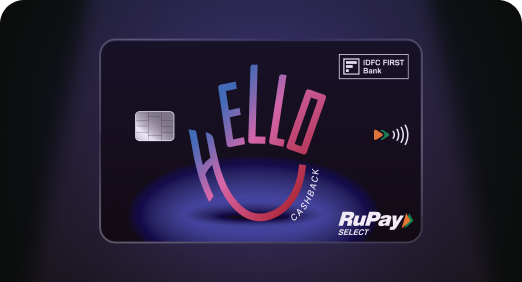

Enjoy Zero Forex on all IDFC FIRST Bank Credit Cards
Save more on all international spends
Know More
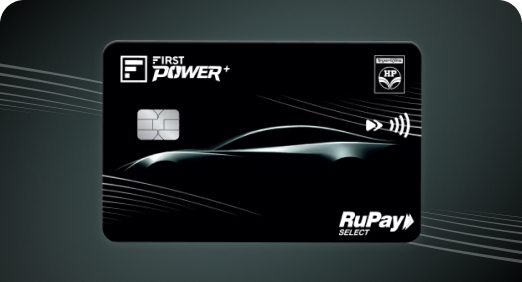
A Card that Powers your Savings & Lifestyle
IDFC FIRST Bank HPCL Credit Card









Most Searched
Earn up to 7% interest on your Savings Account
Open Account Now
Download our app
Get instant help for all your queries in one place
Unlock features, exclusively available
only on the IDFC FIRST Bank app
Trusted by 1.2+ million Indians.


4.8

4.8

Tools & Calculators
Privilege Program



Tools & Calculators

Unlock features, exclusively available
only on the IDFC FIRST Bank app
Personal Loan
 Overdue payment is when a person cannot repay by the given due date.
Not paying your dues on time can lead to penalties, higher interest rates, and negatively impact credit scores.
Leveraging digital facilities like automatic payments via innovative offerings like IDFC FIRST Bank’s FIRSTmoney can help avoid overdue payments.
Overdue payment is when a person cannot repay by the given due date.
Not paying your dues on time can lead to penalties, higher interest rates, and negatively impact credit scores.
Leveraging digital facilities like automatic payments via innovative offerings like IDFC FIRST Bank’s FIRSTmoney can help avoid overdue payments.
Whether it’s a personal loan EMI, a credit card bill, or a subscription fee, missing a due date can lead to more than just a temporary inconvenience. It can have lasting consequences on your financial health. Here's a closer look at what overdue payments are, why they happen, and how to avoid them.
An overdue payment refers to any financial obligation, like a loan repayment, credit card bill, or utility charge, that remains unpaid beyond its agreed-upon due date. For instance, if you miss your personal loan EMI, the unpaid amount becomes overdue and may start accruing late fees, additional interest, and could even trigger legal action if ignored for too long.

Overdue payments don’t always stem from negligence. Here are some common reasons:
Even a single missed payment can set off a chain reaction:
Lenders typically impose a late fee if you miss an EMI. Over time, these charges compound, increasing your debt burden.
For products like a personal loan or credit card, missed payments may result in higher interest rates, increasing your overall repayment cost.
Overdue payments are reported to credit bureaus and can lower your credit score. This makes it harder to secure loans, get favourable rates, or even qualify for future credit.
If overdue payments persist, lenders may initiate recovery actions, ranging from collection agency involvement to court proceedings.
Here are practical steps you can take to stay on top of your repayments:
Use mobile apps or calendar alerts to track your due dates.
Auto-debit facilities ensure timely payments. With tools like IDFC FIRST Bank’s mobile app, you can schedule payments to avoid defaults entirely.
Use a loan dashboard or financial tracking tool to view all your obligations in one place. The FIRSTmoney dashboard offers a unified view of your loans and repayment dates.
If you anticipate a delay, inform your lender in advance. You may be eligible for an extension or a temporary restructure of your repayment plan.
Looking for more control over your loan repayments? FIRSTmoney by IDFC FIRST Bank offers:
Overdue payments can damage your credit profile, increase your financial burden, and affect your long-term borrowing power. But with a little planning, timely reminders, and smart financial tools like FIRSTmoney, you can stay in control and build a strong repayment track record.
A personal loan overdue payment means the EMI was not fully paid on the due date. Any unpaid portion, including a shortfall or bounce, is treated as overdue until cleared. The lender tracks Days Past Due from the day after the due date. During this period, interest and fees may accrue as per the agreement. Once the overdue amount and charges are credited, the account status returns to regular repayment.
Late or missed EMIs can be reported to bureaus as Days Past Due. Longer or frequent delays tend to weigh more in risk models. A single short delay may have a smaller effect than repeated late cycles, yet impact varies by profile. Clearing overdue amounts quickly and maintaining on time payments in future usually helps recovery. Avoid multiple enquiries during this period and monitor your report for accuracy and updates.
Charges depend on product terms. Common items include late payment fees, penal interest on the overdue portion, mandate return or bounce charges, and applicable taxes. Some lenders also add collection visit fees or statement reissue costs where relevant. Amounts, slabs, and calculation methods are defined in the MITC and the schedule of charges. Review both carefully and ask for a written breakup so you understand what applies to your account.
Keep sufficient balance one day before the auto debit date and maintain it until the debit posts. Set phone reminders, enable alerts, and track your mandate status. If your salary credit date often mismatches the EMI date, ask to align the due date where policy permits. Update bank details promptly after switching accounts. For manual payers, use standing instructions or UPI autopay to reduce missed instalments and reconciliation errors overall.
You may request a repayment plan, date change, or restructuring if available under policy. Approval depends on eligibility, recency of delays, and internal assessment. Terms can include extended tenure, revised EMI, or moratorium with accrued interest. Formal restructuring may be reported to bureaus. Keep documents ready, respond quickly, and get updated schedules in writing. Consider long term cost before agreeing, since lower EMIs can increase total interest across the loan.
Clear overdue amounts as soon as possible to limit interest, fees, and negative reporting. Paying within the same billing cycle usually reduces impact on risk assessment and future pricing. If cash flow is tight, prioritise the most delayed accounts first and speak with the lender about temporary relief options where policy permits. Always obtain a receipt or digital confirmation and check your credit report to ensure status updates show correctly.
The contents of this article/infographic/picture/video are meant solely for information purposes. The contents are generic in nature and for informational purposes only. It is not a substitute for specific advice in your own circumstances. The information is subject to updation, completion, revision, verification and amendment and the same may change materially. The information is not intended for distribution or use by any person in any jurisdiction where such distribution or use would be contrary to law or regulation or would subject IDFC FIRST Bank or its affiliates to any licensing or registration requirements. IDFC FIRST Bank shall not be responsible for any direct/indirect loss or liability incurred by the reader for taking any financial decisions based on the contents and information mentioned. Please consult your financial advisor before making any financial decision.
The features, benefits and offers mentioned in the article are applicable as on the day of publication of this blog and is subject to change without notice. The contents herein are also subject to other product specific terms and conditions and any third party terms and conditions, as applicable. Please refer our website www.idfcfirst.bank.in for latest updates.


Check the latest rates.

Know your total loan cost.

Estimate your EMI instantly.

Compare EMIs for multiple loan types.

See why your score matters.