








Login to Internet banking
A brand-new experience - smarter, faster, and secured


BRAVO (Auto Sweep)
Convert the idle funds in your current account into a fixed deposit with the BRAVO feature.
Know More

Zero Forex Markup Current Account
Maximise your savings and boost profitability with our Zero Forex Markup current accounts
Know More
BRAVO (Auto Sweep)
Convert the idle funds in your current account into a fixed deposit with the BRAVO feature.
Know More
You gain a dedicated partner committed to helping you reach your full potential and achieve new heights
Know More



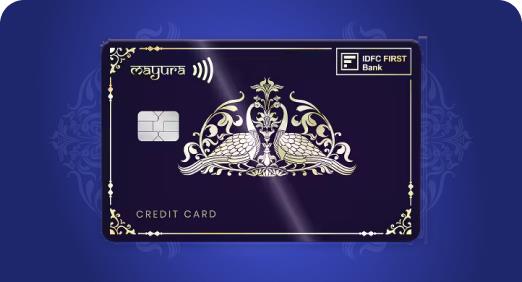

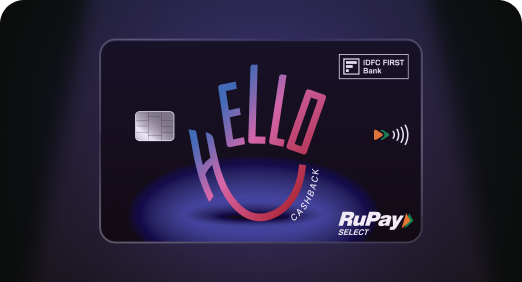

Enjoy Zero Forex on all IDFC FIRST Bank Credit Cards
Save more on all international spends
Know More
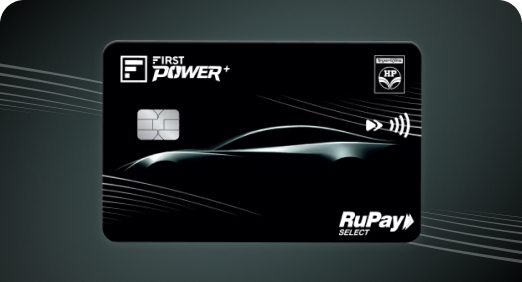
A Card that Powers your Savings & Lifestyle
IDFC FIRST Bank HPCL Credit Card









Most Searched
Earn up to 7% interest on your Savings Account
Open Account Now
Download our app
Get instant help for all your queries in one place
Unlock features, exclusively available
only on the IDFC FIRST Bank app
Trusted by 1.2+ million Indians.


4.8

4.8

Tools & Calculators
Privilege Program



Tools & Calculators
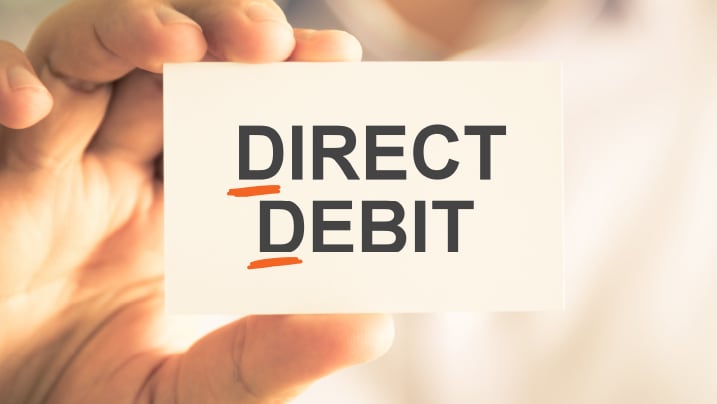
The direct debit feature that banks offer can prove to be very useful for those who struggle with keeping a track of their payment due dates.
Everyone has bills to take care of. However, with people leading busy lives, it is quite often that they fail to keep a track of their dues. This can land them in a financial mess. To avoid such problems, one effective solution is to make use of the direct debit facility offered by banks. If you are not familiar with this facility, read on to learn more about it in detail:
Direct debit can be described as a popular payment method in which you can authorise merchants or organisations to deduct funds from your bank accounts. The feature of direct debit is generally useful for the purpose of making recurring payments such as utility bills, instalment payments, credit card bills, recurring retainer payments, rent, and payment of either subscriptions or memberships.
For setting up a direct debit, a business needs to get authorisation from its customers for deducting money from their bank accounts. Once a business gets the authorisation from its customers, recurring payments from their accounts to the business account are possible. The only thing customers are required to do is to ensure that they have sufficient funds in their bank accounts. Here are the steps involved in setting up a direct debit facility:
A direct debit facility helps you avoid missing out on bill payment dates, thus ensuring that you would never have to incur any late payment fees.
Listed below are some of the reasons to consider signing up for direct debit payment:
Earlier, one had to pay the bills at least four or five days before the date of credit. This is because the action of transferring between two bank accounts took time. But thanks to the internet and the advancements made in the banking sector, payments are faster. The feature of direct debit enables business owners to get their payments on time, thereby avoiding the risks associated with late payments.
Direct debit is known for being very helpful for businesses. With this feature, timely payments for the services and products offered by the business are ensured. This ultimately results in a better cash flow, thereby leading to healthy working capital. This in turn helps businesses to run their operations smoothly.
Direct debit also makes things easy for customers too. After setting up a direct debit, customers don’t need to go through the trouble of keeping track of payment dates every month. By signing up for the direct debit option, businesses make it easier for customers to pay with minimal intervention.
Numerous banks across India such as IDFC FIRST bank are known for offering direct debit facilities. As mentioned earlier, this feature helps in making things easier for both the businesses and the customers involved.
Disclaimer
The contents of this article/infographic/picture/video are meant solely for information purposes. The contents are generic in nature and for informational purposes only. It is not a substitute for specific advice in your own circumstances. The information is subject to updation, completion, revision, verification and amendment and the same may change materially. The information is not intended for distribution or use by any person in any jurisdiction where such distribution or use would be contrary to law or regulation or would subject IDFC FIRST Bank or its affiliates to any licensing or registration requirements. IDFC FIRST Bank shall not be responsible for any direct/indirect loss or liability incurred by the reader for taking any financial decisions based on the contents and information mentioned. Please consult your financial advisor before making any financial decision.
The features, benefits and offers mentioned in the article are applicable as on the day of publication of this blog and is subject to change without notice. The contents herein are also subject to other product specific terms and conditions and any third party terms and conditions, as applicable. Please refer our website www.idfcfirst.bank.in for latest updates.