









Login to Internet banking
A brand-new experience - smarter, faster, and secured


BRAVO (Auto Sweep)
Convert the idle funds in your current account into a fixed deposit with the BRAVO feature.
Know More

Zero Forex Markup Current Account
Maximise your savings and boost profitability with our Zero Forex Markup current accounts
Know More
BRAVO (Auto Sweep)
Convert the idle funds in your current account into a fixed deposit with the BRAVO feature.
Know More
You gain a dedicated partner committed to helping you reach your full potential and achieve new heights
Know More



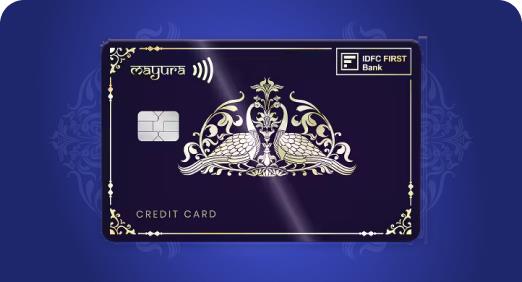

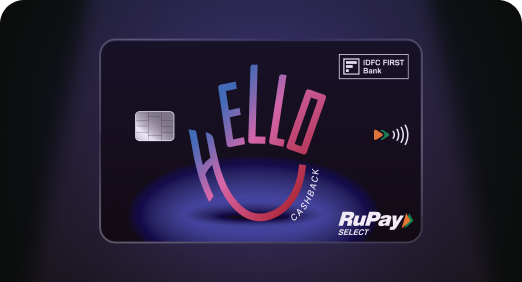

Enjoy Zero Forex on all IDFC FIRST Bank Credit Cards
Save more on all international spends
Know More
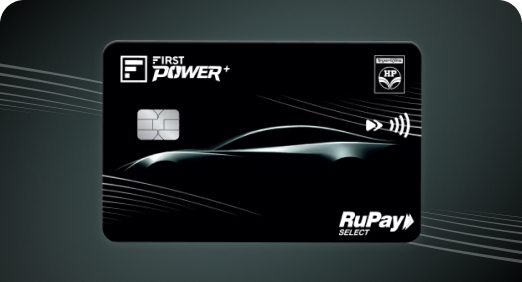
A Card that Powers your Savings & Lifestyle
IDFC FIRST Bank HPCL Credit Card









Most Searched
Earn up to 7% interest on your Savings Account
Open Account Now
Download our app
Get instant help for all your queries in one place
Unlock features, exclusively available
only on the IDFC FIRST Bank app
Trusted by 1.2+ million Indians.

4.8

4.8

Tools & Calculators
Privilege Program



Tools & Calculators

Unlock features, exclusively available
only on the IDFC FIRST Bank app
Finance
 A WhatsApp scam involves a message offering instant loans.
Most loan scam attempts push urgency, no-CIBIL promises, or upfront fees to quickly trap users.
Never share KYC documents, OTPs, or click links sent by unknown numbers; they can lead to identity theft and financial loss.
Verify every lender through official websites/apps and report suspicious WhatsApp numbers to 1930 to stay protected.
A WhatsApp scam involves a message offering instant loans.
Most loan scam attempts push urgency, no-CIBIL promises, or upfront fees to quickly trap users.
Never share KYC documents, OTPs, or click links sent by unknown numbers; they can lead to identity theft and financial loss.
Verify every lender through official websites/apps and report suspicious WhatsApp numbers to 1930 to stay protected.
A WhatsApp scam is a technique scammers use to trick users into sharing sensitive information or sending money under false pretences via WhatsApp messages or calls.
Sometimes when money gets tight, your phone suddenly buzzes with a “pre-approved instant loan” on WhatsApp. For a moment, it feels like the universe is helping you out. But most of these messages are nothing more than a loan scam dressed up as friendly assistance.
Fraudsters use this kind of WhatsApp scam to target people who are stressed, short on cash, and more likely to trust a quick fix.
Short answer, No.
When you’re stressed about money, even a fake WhatsApp message can look like a real lifeline. Scammers know this, and they craft their offers to feel quick, easy, and trustworthy.
A WhatsApp scam from an international number usually follows a fixed playbook designed to push you into loan fraud without you realising it.
Some red flags in these spam messages include: no RBI licence, advance fee requests, pressure to act immediately, and links or apps to suspicious sites.
A WhatsApp scam message can drain your bank account, steal your identity, and expose your banking details.
Be safe with these quick steps:
If you accidentally respond to such fraud, here’s how you can report a WhatsApp scam:
A WhatsApp scam disguised as easy money can quickly turn into loan fraud that drains your wallet and misuses your identity.
Your strongest shield is to trust only verified lenders, like IDFC FIRST Bank , avoid impulsive clicks, and keep your financial details to yourself.
If the message comes from an unknown number, promises instant approval, asks for fees, or shares non-official links, it’s almost certainly a WhatsApp scam. Legit lenders never offer loans through random WhatsApp chats.
Yes. Fraudsters can use your documents for identity theft, illegal loans, or opening accounts in your name. Immediately report to your bank and the cybercrime portal.
No. RBI-regulated lenders never communicate loan approvals through unsolicited WhatsApp texts. Always verify lender details through their official website or app.
Report and block the number immediately. Enable WhatsApp privacy settings to limit who can contact you.
Banks may use WhatsApp for communication only after consent, but they never ask for sensitive details or fees via chat.
The contents of this article/infographic/picture/video are meant solely for information purposes. The contents are generic in nature and for informational purposes only. It is not a substitute for specific advice in your own circumstances. The information is subject to updation, completion, revision, verification and amendment and the same may change materially. The information is not intended for distribution or use by any person in any jurisdiction where such distribution or use would be contrary to law or regulation or would subject IDFC FIRST Bank or its affiliates to any licensing or registration requirements. IDFC FIRST Bank shall not be responsible for any direct/indirect loss or liability incurred by the reader for taking any financial decisions based on the contents and information mentioned. Please consult your financial advisor before making any financial decision.
The features, benefits and offers mentioned in the article are applicable as on the day of publication of this blog and is subject to change without notice. The contents herein are also subject to other product specific terms and conditions and any third party terms and conditions, as applicable. Please refer our website www.idfcfirst.bank.in for latest updates.