








Login to Internet banking
A brand-new experience - smarter, faster, and secured


BRAVO (Auto Sweep)
Convert the idle funds in your current account into a fixed deposit with the BRAVO feature.
Know More

Zero Forex Markup Current Account
Maximise your savings and boost profitability with our Zero Forex Markup current accounts
Know More
BRAVO (Auto Sweep)
Convert the idle funds in your current account into a fixed deposit with the BRAVO feature.
Know More
You gain a dedicated partner committed to helping you reach your full potential and achieve new heights
Know More





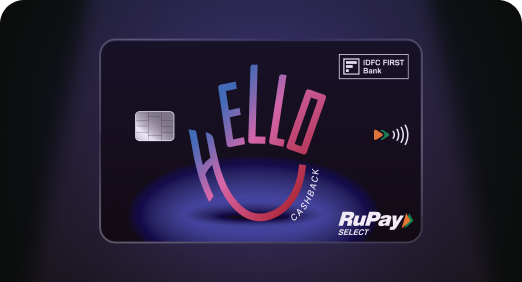

Enjoy Zero Forex on all IDFC FIRST Bank Credit Cards
Save more on all international spends
Know More
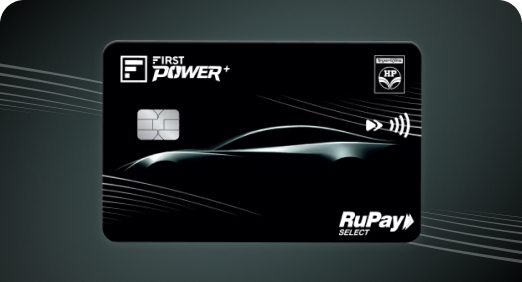
A Card that Powers your Savings & Lifestyle
IDFC FIRST Bank HPCL Credit Card









Most Searched
Earn up to 7% interest on your Savings Account
Open Account Now
Download our app
Get instant help for all your queries in one place
Unlock features, exclusively available
only on the IDFC FIRST Bank app
Trusted by 1.2+ million Indians.


4.8

4.8

Tools & Calculators
Privilege Program



Tools & Calculators

Unlock features, exclusively available
only on the IDFC FIRST Bank app
Savings Account
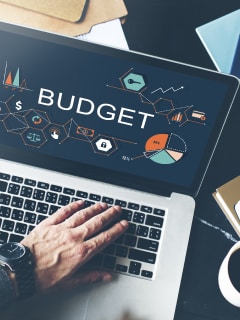
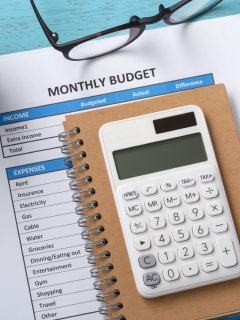
 Budgeting helps you track income, manage expenses, and build an emergency fund, creating a clear path to financial stability.
Paying off debt early and setting aside money for both essentials and discretionary spending ensures balanced financial planning.
A savings account with high interest rates and reliable digital tools strengthens your ability to save and manage money effectively.
Consistent budget reviews and the use of mobile banking features, such as IDFC FIRST Bank’s “Track Your Expenses”, improve long-term savings discipline.
Budgeting helps you track income, manage expenses, and build an emergency fund, creating a clear path to financial stability.
Paying off debt early and setting aside money for both essentials and discretionary spending ensures balanced financial planning.
A savings account with high interest rates and reliable digital tools strengthens your ability to save and manage money effectively.
Consistent budget reviews and the use of mobile banking features, such as IDFC FIRST Bank’s “Track Your Expenses”, improve long-term savings discipline.
Long-time investors not only acknowledge the importance of savings in an individual’s investment journey but also make it a point to inform and remind younger investors about it. This article explores two key foundations for growing your savings: a savings account that benefits you and effective budgeting. It also covers practical tips to improve your budgeting skills and explain how a savings account can help you increase your savings. Keep reading to learn more!
‘Budgeting’ is the practice of periodically accounting for all your expenses in a given time frame. You could budget for a month, a year, or even a couple of years together. However, monthly budgeting is what most people follow to increase their savings. Let us understand budgeting by looking at its six essential steps:
The first step of budgeting is to prepare yourself for an emergency. An ‘emergency fund’ can help you with the extra funds that you will require during an emergency. If you have a stable job, you can save money worth 6 months’ salary for a sufficient emergency fund. If you are in an uncertain job, it is considered best to have savings worth 12 months of your salary.
Calculating one’s monthly income for a working professional who earns a monthly salary is easy. However, if you are someone who takes up different side jobs to complement their salary, you can calculate your monthly income by taking an average of the money earned in the past 3-6 months.
If you have not budgeted before, as soon as you start budgeting, you will realise that there are a lot of additional expenses that are not accounted for. These types of expenses could include payments towards rent or mortgage, utilities, including mobile phone data and Wi-Fi expenses, insurance premiums, etc.
If you carry any debt, make repaying it your top priority. Ongoing debt can hinder your ability to save effectively and slow down your long-term financial growth.
Set aside money for activities and purchases that bring you joy, such as watching a film, taking vacations, or buying accessories. This ensures you can enjoy life without affecting your overall savings.
Finally, you must learn to analyse your budget and draw inferences from it to help you save more in the future. Very few mobile banking apps help you do that, and IDFC FIRST Bank’s mobile banking app is one among them. The IDFC FIRST Bank mobile banking app’s ‘Track Your Expenses’ feature helps manage your expenses regularly and efficiently.
A budget isn’t about restriction; it’s a roadmap that shows you where your money goes and how to make it work harder for you.
Budgeting is aimed at helping you save more in the future by accounting for your present-day expenses. Now that you know the process of budgeting, you must also know about the importance of a savings account to help you increase your savings.
Here are the reasons why savings accounts are important to help you save more and budget better:
· A bank that offers a high savings account interest rate helps you save more.
· Banks with good mobile banking services help you infer learnings from your previous earnings.
· Banks such as IDFC FIRST Bank offer monthly interest credits to help you increase your savings.
Opening a savings account online with IDFC FIRST Bank is simple, paperless, and convenient, allowing you to start your savings journey quickly. Along with this, you enjoy competitive interest rates and monthly interest credits, making the IDFC FIRST Bank savings account an attractive option for those looking to grow their savings.
Here are the most common budgeting mistakes that you need to avoid:
Many people forget to include occasional or annual costs in their budget, such as insurance premiums, holiday shopping, or car repairs. Ignoring these expenses can throw off your monthly plan and make consistent saving difficult.
Spending too much on things you don’t really need while ignoring bills or loan payments can hold back your savings. It’s important to clearly separate must-pay expenses from extra spending to keep your budget balanced.
Not reviewing your budget regularly prevents you from identifying spending patterns or adjusting for unexpected costs. Frequent checks help maintain control over finances and improve overall savings.
Here are three practical tips to help you budget effectively, track all your monthly expenses, and boost your savings:
1. Analyse your budget periodically by comparing it to a previous budget. If you are making a budget for the first time, start by analysing your expenses and comparing them to your monthly income.
2. Track your budget either manually through your computer or through a mobile banking app like the IDFC FIRST Bank mobile banking app that has the ‘track your expenses’ feature.
3. Stick to the plan that you have made as part of your budget. Consistency is key!
Budgeting is more than a way to track expenses; it’s a tool to take control of your financial future. But to truly maximise its impact, it needs the right partner: a savings account that helps your money grow while you manage it. Hence, don’t forget to opt for the right savings account to complement your budgeting journey.
With the IDFC FIRST Bank savings account, features like competitive interest rates, monthly interest credits, and smart digital tools such as ‘Track Your Expenses’ work hand in hand with your budgeting plan. Together, they make saving more disciplined, spending more mindful, and financial goals more achievable.
Different savings account variants of IDFC FIRST Bank also offer personal accident cover, with ₹5 lakh coverage for an Average Monthly Balance (AMB) of ₹10,000 and ₹35 lakh coverage for an AMB of ₹25,000, adding an extra layer of financial security.
The contents of this article/infographic/picture/video are meant solely for information purposes. The contents are generic in nature and for informational purposes only. It is not a substitute for specific advice in your own circumstances. The information is subject to updation, completion, revision, verification and amendment and the same may change materially. The information is not intended for distribution or use by any person in any jurisdiction where such distribution or use would be contrary to law or regulation or would subject IDFC FIRST Bank or its affiliates to any licensing or registration requirements. IDFC FIRST Bank shall not be responsible for any direct/indirect loss or liability incurred by the reader for taking any financial decisions based on the contents and information mentioned. Please consult your financial advisor before making any financial decision.
The features, benefits and offers mentioned in the article are applicable as on the day of publication of this blog and is subject to change without notice. The contents herein are also subject to other product specific terms and conditions and any third party terms and conditions, as applicable. Please refer our website www.idfcfirst.bank.in for latest updates.