









Login to Internet banking
A brand-new experience - smarter, faster, and secured



You gain a dedicated partner committed to helping you reach your full potential and achieve new heights
Know More
BRAVO (Auto Sweep)
Convert the idle funds in your current account into a fixed deposit with the BRAVO feature.
Know More
Zero Forex Markup Current Account
Maximise your savings and boost profitability with our Zero Forex Markup current accounts
Know More


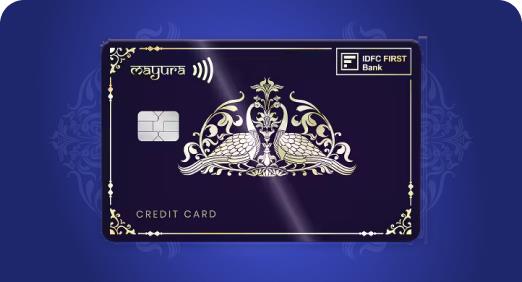
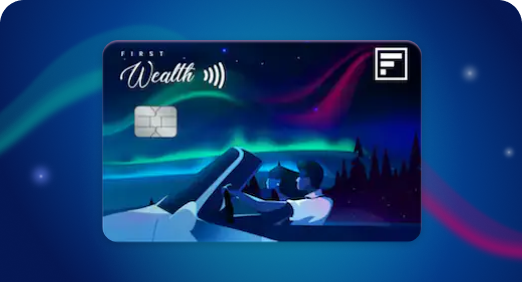
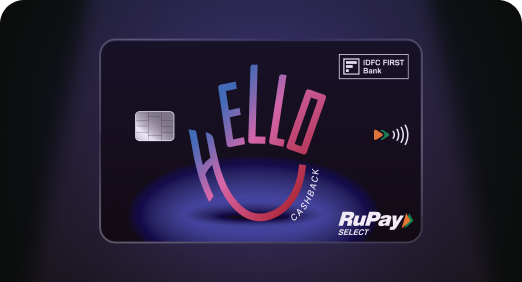
A Card that Powers your Savings & Lifestyle
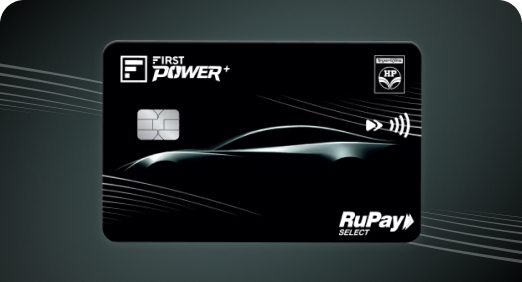
IDFC FIRST Bank HPCL Credit Card








Most Searched
Earn up to 7% interest on your Savings Account
Open Account Now
Download our app
Get instant help for all your queries in one place
Unlock features, exclusively available
only on the IDFC FIRST Bank app
Trusted by 1.2+ million Indians.


4.8

4.8

Tools & Calculators
Privilege Program



Tools & Calculators

Unlock features, exclusively available
only on the IDFC FIRST Bank app
Credit Card
 Understanding your credit card billing cycle helps you manage payments, avoid interest charges, and maintain a healthy credit score.
Knowing what credit card billing cycle is enables better planning of purchases and repayments within each cycle.
A well-managed credit card payment cycle ensures you avoid late fees and optimise your interest-free period.
Understanding your credit card billing cycle helps you manage payments, avoid interest charges, and maintain a healthy credit score.
Knowing what credit card billing cycle is enables better planning of purchases and repayments within each cycle.
A well-managed credit card payment cycle ensures you avoid late fees and optimise your interest-free period.
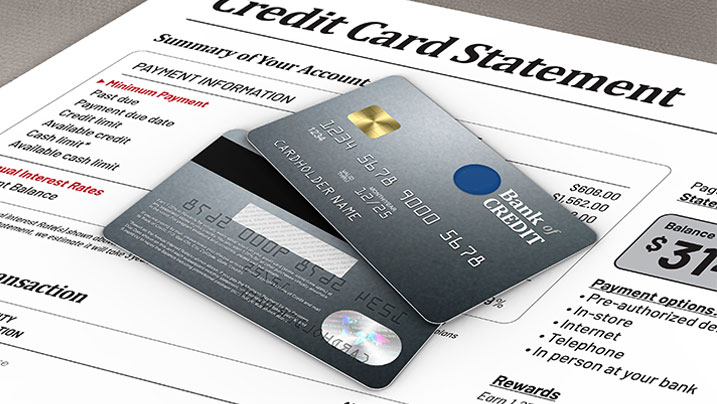
Your credit card billing cycle is possibly the most important component of your credit card. It affects your payments, due date, and credit score.
Credit cards can help you save and earn more, but you need to understand the basic information to ensure that you get the most out of them. Knowing your billing cycle is the first step to wisely using your credit card. The billing cycle determines the amount payable for purchases made with your credit card.
Understanding the details can help you save money on interest and late penalties. To that effect, let us see how a credit card payment cycle works and how it impacts the amount you owe every month.
The billing cycle, also known as the statement cycle, refers to the time frame in which a bill is issued. The credit card statement for the month will represent the expenditures made throughout the period. For example, if your statement is generated on the 24th of every month, your billing cycle may run from the 25th of the previous month to the 24th of the current month. The payment due date is typically 15 days after the billing/statement date.
The credit card billing cycle is the period during which all your transactions are recorded and compiled into a monthly statement. With IDFC FIRST Bank Credit Cards, this cycle typically lasts around 30 days.
At the end of the cycle, your statement is generated, reflecting all purchases, EMIs, payments, and charges. This marks the beginning of your credit card payment cycle, during which you are given a due date to repay the outstanding amount. Understanding this process helps you track expenses better and plan repayments efficiently.
The credit card due date is the last date by which you must pay your outstanding balance to avoid penalties. It falls 15 days after the end of your credit card billing cycle. The period between the statement date and the due date is often referred to as the interest-free or grace period for eligible retail transactions.
With IDFC FIRST Bank Credit Cards, timely payments ensure you avoid late fees and interest charges. Paying the full amount within the due date also allows you to enjoy the maximum interest-free period. Managing your due date effectively is key to optimising your credit card payment cycle.
Mastering your credit card billing cycle is not just about payments—it’s about taking control of your financial habits
Issuers, including IDFC FIRST Bank (after the initial setup), allow you to request a change in your billing cycle. This flexibility helps you choose the billing cycle for credit cards. Customers can typically make this request through the IDFC FIRST Bank Mobile App .
The billing cycle for an IDFC FIRST Bank credit card can be changed once after the card is issued, and it cannot be changed again for the next 365 days.
A credit card billing cycle is the period during which all your transactions are recorded and compiled into a statement. It typically lasts around 30 days, after which your statement is generated, and your payment cycle begins with a defined due date.
Yes, IDFC FIRST Bank allows you to change your billing cycle after the initial setup. Since your due date is linked to your billing cycle, adjusting the cycle can help you align payments with your income and improve credit card payment management. You can change your billing cycle through the IDFC FIRST Bank Mobile App.
You can change the billing cycle for an IDFC FIRST Bank credit card once after the card is issued, and it cannot be changed again for the next 365 days.
The contents of this article/infographic/picture/video are meant solely for information purposes. The contents are generic in nature and for informational purposes only. It is not a substitute for specific advice in your own circumstances. The information is subject to updation, completion, revision, verification and amendment and the same may change materially. The information is not intended for distribution or use by any person in any jurisdiction where such distribution or use would be contrary to law or regulation or would subject IDFC FIRST Bank or its affiliates to any licensing or registration requirements. IDFC FIRST Bank shall not be responsible for any direct/indirect loss or liability incurred by the reader for taking any financial decisions based on the contents and information mentioned. Please consult your financial advisor before making any financial decision.
The features, benefits and offers mentioned in the article are applicable as on the day of publication of this blog and is subject to change without notice. The contents herein are also subject to other product specific terms and conditions and any third party terms and conditions, as applicable. Please refer our website www.idfcfirst.bank.in for latest updates.


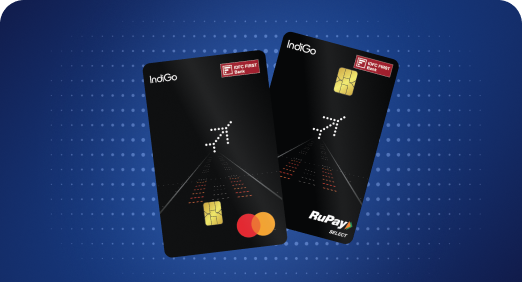
Earn IndiGo BluChips | Redeem on IndiGo flights | Power of Dual cards | 1.49% Forex Mark Up

Lounge access, 10X Reward, ₹4000 cashback, Zero Forex, Spa, Golf access

1% Forex, 10X rewards, Lounge, Spa, Golf and Movies

Buy-1-Get-1 Movie ticket offers, airport lounge access, 1.5% forex markup, railway lounge visits









Earn IndiGo BluChips | Redeem on IndiGo flights | Power of Dual cards | 1.49% Forex Mark Up
Know MoreLounge access, 10X Reward, ₹4000 cashback, Zero Forex, Spa, Golf access
Know MoreBuy-1-Get-1 Movie ticket offers, airport lounge access, 1.5% forex markup, railway lounge visits
Know MoreLounge access, 10X Reward, ₹4000 cashback, Zero Forex, Spa, Golf access
Know MoreFuel Card, 5% fuel savings, 2.5% Grocery & Utility Savings, 0 interest cash
Know MoreZero Annual Fee, Complimentary airport lounge access, Low forex mark-up at 1.99%, Buy-1-Get-1 Movie ticket offers
Know More