









Login to Internet banking
A brand-new experience - smarter, faster, and secured






You gain a dedicated partner committed to helping you reach your full potential and achieve new heights
Know More

BRAVO (Auto Sweep)
Convert the idle funds in your current account into a fixed deposit with the BRAVO feature.
Know More
Zero Forex Markup Current Account
Maximise your savings and boost profitability with our Zero Forex Markup current accounts
Know More








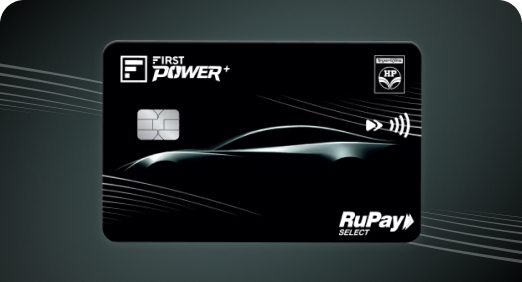
A Card that Powers your Savings & Lifestyle
IDFC FIRST Bank HPCL Credit Card









Most Searched
Earn up to 7% interest on your Savings Account
Open Account Now
Download our app
Get instant help for all your queries in one place
Unlock features, exclusively available
only on the IDFC FIRST Bank app
Trusted by 1.2+ million Indians.


4.8

4.8

Tools & Calculators
Privilege Program



Tools & Calculators

Unlock features, exclusively available
only on the IDFC FIRST Bank app
 NRIs and OCIs can invest in Indian stocks, mutual funds, real estate, and fixed deposits through compliant banking channels.
NRE, NRO, and FCNR accounts each serve different needs for remittances, taxation, repatriation, and foreign currency management.
NRIs can send unlimited personal remittances to India by following FEMA and RBI guidelines, including using the correct purpose code.
NRIs and OCIs can invest in Indian stocks, mutual funds, real estate, and fixed deposits through compliant banking channels.
NRE, NRO, and FCNR accounts each serve different needs for remittances, taxation, repatriation, and foreign currency management.
NRIs can send unlimited personal remittances to India by following FEMA and RBI guidelines, including using the correct purpose code.
Introduction
In 2026, India remains one of the top recipients of remittances. NRIs, OCIs, and PIOs send billions each year to support family, save, buy property, pay for education, and invest. Even though sending money is now quicker and more digital, it’s still important to know the rules.
This guide explains the main rules, account types, investment options, and compliance steps you need to know, whether you’re new to sending money home or have been doing it for years.
Before getting into the details, it’s helpful to understand these terms clearly.
An NRI is an Indian citizen who stays outside India for at least 183 days during a financial year.
OCI refers to a foreign citizen of Indian origin who is granted the right to live and work in India indefinitely with a lifelong visa.
A PIO is someone who has Indian ancestry but holds foreign citizenship and may or may not have an OCI card.
Each group has its own rules for sending money, investing, and withdrawing funds from India. Knowing which one you belong to is the first step.
The Foreign Exchange Management Act, 1999 (FEMA) regulates all cross-border foreign exchange transactions involving India. The Reserve Bank of India manages these rules and shares updates through circulars and notifications.
If you send money to India, RBI rules require that every transfer include a valid purpose code, regardless of the amount. These codes show why you’re sending money, such as family support, freelance work, property purchases, or an NRE deposit. Banks need this information for their reports and missing or wrong codes frequently cause delays.
There’s no limit on how much NRIs can send to India for personal reasons. You can send money for family, medical bills, education, or savings without needing RBI approval. Just make sure you have the right documents and use the correct purpose code when you transfer.
With the Money Transfer Service Scheme (MTSS), you can send up to USD 2,500 per transaction and up to 30 times a year. If you use other methods, there’s no limit on personal remittances. However, irregular transactions must be reported to the Financial Intelligence Unit under the Prevention of Money Laundering Act, so keeping your documentation in order is always a sound practice.
The type of account you choose affects how your money is kept, if you can send it back abroad, and how it’s taxed.
NRE account is the usual choice for sending foreign earnings to India. Money is kept in rupees; you can send it back out at any time, and the interest is tax-free in India. Most people use this account for regular transfers.
NRO account is best for income earned in India, such as rent, dividends, or pensions. Interest is taxed, and you can send up to USD 1 million abroad each year if you follow tax rules and get a CA certificate.
FCNR account lets you keep your money in foreign currency. This helps protect you from exchange rate changes if you want to move the money out of India later.
Besides sending money, the Indian diaspora can invest in India via multiple channels:
You can invest in stocks through the Portfolio Investment Scheme (PIS) if you have an NRE account.
Mutual funds are available through both NRE and NRO accounts, depending on the fund provider and where you live.
NRIs and OCIs can buy real estate in India, except for agricultural land, plantations, and farmhouses.
Fixed deposits in NRE and FCNR accounts give steady returns, and interest on NRE deposits is tax-free in India.
If you are looking to build wealth over the long term, India's equity markets have delivered strong historical returns, and the structural growth story across technology, infrastructure, and consumption sectors remains intact.
You can send money from NRE and FCNR accounts back to your home country anytime, with no limits. For NRO accounts, you can send up to USD 1 million abroad each year after paying taxes and submitting Form 15CA and a CA-certified Form 15CB.
Property of sale proceeds can also be repatriated, subject to conditions. The property must have been acquired in compliance with FEMA guidelines, and repatriation is generally limited to the first investment amount for most residential properties.
RemitFirst2India from IDFC FIRST Bank is designed for remitting funds to India in full compliance with FEMA and RBI regulations. The platform matches purpose codes at the time of transfer, helping to prevent bank queries or delays.
The platform offers competitive exchange rates and provides fast credit to Indian accounts with comprehensive digital tracking.
Clear guidelines for NRI remittances and investments in India ensure smooth and secure transactions. By understanding RBI regulations, selecting the appropriate account, and using a reliable platform such as RemitFirst2India, you can transfer funds efficiently, ensure accurate credit, and maintain full compliance.
NRIs and OCIs can send money to India for family support, education, investments, medical needs, and savings.
NRE accounts are commonly used for foreign earnings because money is freely repatriable and interest is tax-free in India.
NRIs can invest in stocks, mutual funds, real estate, and NRE or FCNR fixed deposits through approved banking channels.
The features, benefits and offers mentioned in the article are applicable as on the day of publication of this blog and is subject to change without notice. The contents herein are also subject to other product specific terms and conditions and any third party terms and conditions, as applicable. Please refer our website www.idfcfirst.bank.in for latest updates.