









Login to Internet banking
A brand-new experience - smarter, faster, and secured



You gain a dedicated partner committed to helping you reach your full potential and achieve new heights
Know More
BRAVO (Auto Sweep)
Convert the idle funds in your current account into a fixed deposit with the BRAVO feature.
Know More
Zero Forex Markup Current Account
Maximise your savings and boost profitability with our Zero Forex Markup current accounts
Know More





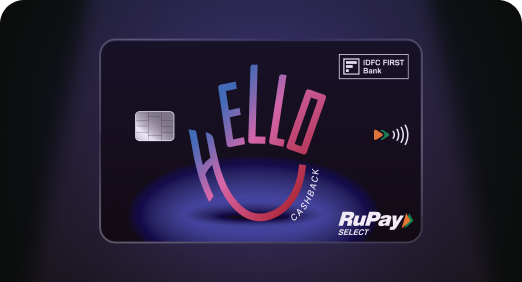

Enjoy Zero Forex on all IDFC FIRST Bank Credit Cards
Save more on all international spends
Know More
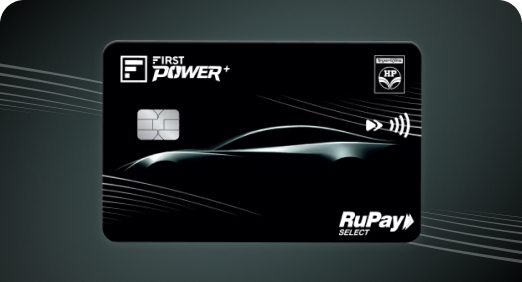
A Card that Powers your Savings & Lifestyle
IDFC FIRST Bank HPCL Credit Card









Most Searched
Earn up to 7% interest on your Savings Account
Open Account Now
Download our app
Get instant help for all your queries in one place
Unlock features, exclusively available
only on the IDFC FIRST Bank app
Trusted by 1.2+ million Indians.


4.8

4.8

Tools & Calculators
Privilege Program



Tools & Calculators

Unlock features, exclusively available
only on the IDFC FIRST Bank app
Personal Loan
 You can get a personal loan even with existing EMIs if you meet the lender's eligibility criteria.
Use a personal loan eligibility and EMI calculator to check your affordability before applying.
A debt-to-income ratio below 35%–40% generally improves your loan approval chances.
Ensure your new EMI fits comfortably alongside your existing EMIs and monthly expenses.
You can get a personal loan even with existing EMIs if you meet the lender's eligibility criteria.
Use a personal loan eligibility and EMI calculator to check your affordability before applying.
A debt-to-income ratio below 35%–40% generally improves your loan approval chances.
Ensure your new EMI fits comfortably alongside your existing EMIs and monthly expenses.
Managing multiple financial commitments has become very common in recent years. Many individuals are already repaying home loans, car loans, and education loans when a new financial requirement arises.
In such situations, the important question is not just whether it is possible to get another loan. What should also be considered is whether the borrower can comfortably afford the additional repayment obligation.
It is crucial to understand how banks evaluate personal loan eligibility and how borrowers can assess their own affordability. This can help borrowers make informed financial decisions.
Yes, it is possible to get a personal loan even if you are already paying EMIs on other loans.
Most lenders do not automatically reject applications because an individual has existing debt obligations. Instead, they evaluate whether the borrower has sufficient income and repayment capacity to handle an additional loan.
That is why, before applying, borrowers should conduct a personal loan eligibility check on their own to understand their chances of approval.
Every lender follows its own assessment process, but most of them evaluate several common factors before approving a loan. These factors help determine a person’s personal loan eligibility and the amount they may qualify for.
This ratio measures exactly how much of a borrower’s monthly income is already committed toward previous debt repayments.
A lower ratio generally shows that they have a stronger repayment capacity and financial flexibility. On the other hand, a higher ratio may suggest that the borrower is already carrying a significant debt burden. Generally, many banks prefer a debt-to-income (DTI) ratio below 35% to 40%
Acceptable ratio limits vary among different lenders. Maintaining a balanced ratio is generally seen positively during the loan assessment process.
When determining personal loan eligibility, lenders review the applicant’s existing EMIs to understand how much disposable income remains after meeting their current repayment commitments.
A borrower with manageable EMIs and stable income may still qualify for an additional loan. However, if a large portion of their monthly income is already dedicated to debt repayment, the bank may limit the sanctioned loan amount or decline the application.
For borrowers with ongoing loan commitments, choosing the right loan amount and repayment tenure is especially important. FIRSTmoney Personal Loan offers flexible tenures from 9 to 60 months, letting borrowers select an EMI structure that fits their repayment capacity and financial goals.
A strong credit score documents responsible borrowing behaviour and timely repayment of past EMIs. Under personal loan criteria, it shows lenders that the borrower is likely to manage future repayments effectively.
On the other hand, missed payments, loan defaults or excessive credit utilisation may negatively affect loan approval decisions.
Maintaining a healthy credit profile can improve both eligibility and access to favourable loan terms. For a FIRSTmoney personal loan, you can apply with a CIBIL score of 710 or above in case you are salaried and 760 or above in case you are self-employed.
A personal loan EMI calculator is one of the simplest tools for performing this assessment. To estimate your EMI, just enter details such as:
loan amount
interest rate
and repayment tenure
The primary purpose of an EMI calculator is to calculate repayment amounts, but it also helps you understand the financial impact of a new loan.
When reviewing the results, you should also consider:
Existing EMIs
Monthly household expenses
Emergency savings requirements
Future financial goals
Income stability
Using a personal loan eligibility calculator can help you get your loan estimate based on your monthly income and existing debt obligations.
It is easier to under eligibility checks with an example as follows:
A borrower earns ₹80,000 per month and currently pays a home loan EMI of ₹20,000. They plan to apply for a FIRSTmoney personal loan from IDFC FIRST Bank for home renovation and use a personal loan EMI calculator to estimate that the new EMI would be ₹8,000.
Therefore, their total EMI responsibility, including the new personal loan would become approximately ₹28,000 per month. Since they still have sufficient income available for expenses and other financial goals, they may meet the lender's criteria and comfortably manage the additional loan.
The goal is to meet the personal loan criteria, as well as to ensure that the additional debt is manageable over the entire repayment period.
Even if a bank approves a loan application, borrowers should watch for signs that their debt obligations may already be approaching uncomfortable levels. Some common warning signs include:
A substantial portion of monthly income is allocated toward EMIs.
Savings have become difficult to maintain.
Emergency expenses frequently require loans.
Credit card balances are increasing, or you are not able to pay them in full.
The monthly budgets do not have space for unexpected expenses.
Existing EMIs are causing financial strain.
Loan repayments affect essential household spending.
If any of these situations apply, it may be worth reconsidering taking on another loan.
Having existing EMIs does not automatically prevent you from obtaining a personal loan. However, approval is only one aspect of the process.
Lenders evaluate personal loan eligibility based on factors such as income, repayment capacity, credit profile, and debt-to-income ratio. Therefore, you should use a personal loan eligibility and EMI calculator to understand eligibility and the impact of a new loan on your monthly finances.
Yes. Having a home loan does not automatically disqualify you from obtaining a personal loan. Lenders evaluate income, existing EMIs, credit history, repayment capacity and overall eligibility before making a decision.
There is no universal rule. Affordability varies based on income, expenses, and financial goals. Ensure that EMI obligations leave sufficient room for essential expenses, savings, and emergencies. They should not exceed 35%-40% of monthly take-home income.
Lenders typically evaluate income, employment stability, credit score, existing debt obligations, repayment history and debt-to-income ratio when calculating personal loan eligibility.
Existing EMIs may affect approval if they significantly reduce the repayment capacity. However, having active loans does not automatically result in rejection.
A debt-to-income ratio up to 35%-40% is considered healthy, as it allows borrowers to comfortably manage loan repayments while maintaining savings and meeting regular living expenses.
The features, benefits and offers mentioned in the article are applicable as on the day of publication of this blog and is subject to change without notice. The contents herein are also subject to other product specific terms and conditions and any third party terms and conditions, as applicable. Please refer our website www.idfcfirst.bank.in for latest updates.