








Login to Internet banking
A brand-new experience - smarter, faster, and secured

You gain a dedicated partner committed to helping you reach your full potential and achieve new heights
Know More

BRAVO (Auto Sweep)
Convert the idle funds in your current account into a fixed deposit with the BRAVO feature.
Know More
Zero Forex Markup Current Account
Maximise your savings and boost profitability with our Zero Forex Markup current accounts
Know More





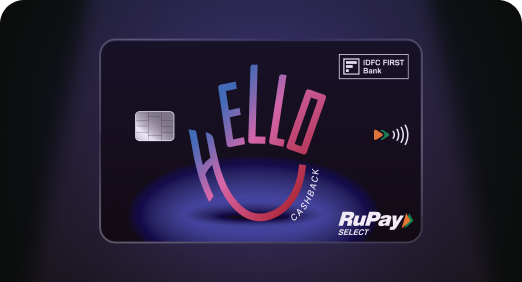

Enjoy Zero Forex on all IDFC FIRST Bank Credit Cards
Save more on all international spends
Know More
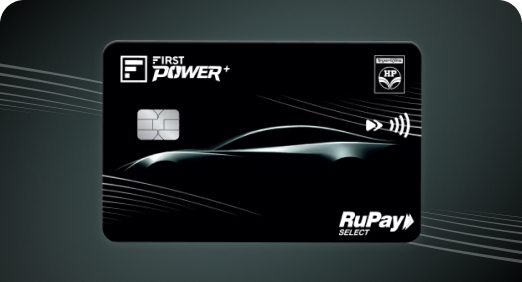
A Card that Powers your Savings & Lifestyle
IDFC FIRST Bank HPCL Credit Card









Most Searched
Earn up to 7% interest on your Savings Account
Open Account Now
Download our app
Get instant help for all your queries in one place
Unlock features, exclusively available
only on the IDFC FIRST Bank app
Trusted by 1.2+ million Indians.

4.8

4.8

Tools & Calculators
Privilege Program



Tools & Calculators

Unlock features, exclusively available
only on the IDFC FIRST Bank app
Savings Account
 After retirement you are likely to spend a significant portion of your funds on health care including check ups medications and hospital visits.
Day to day living costs such as groceries utilities help and social outings continue and may rise due to inflation and changing lifestyle.
Travel and pursue hobbies become important in retirement so budget for trips new interests fitness activities and relocation if desired.
Continue giving to charities or family support in retirement so plan a portion of savings for giving back or fulfilling long standing philanthropic goals.
After retirement you are likely to spend a significant portion of your funds on health care including check ups medications and hospital visits.
Day to day living costs such as groceries utilities help and social outings continue and may rise due to inflation and changing lifestyle.
Travel and pursue hobbies become important in retirement so budget for trips new interests fitness activities and relocation if desired.
Continue giving to charities or family support in retirement so plan a portion of savings for giving back or fulfilling long standing philanthropic goals.
You may think your retirement is far away, and it is not something you need to worry about now. But you will be surprised to know that many young people in their early 30s have already started planning for retirement. You must start planning for the perfect golden years as early as possible.
The first question that will come to your mind is how much you need to save to be financially independent and make the best of your retirement years. Before you get into it, you first need to know where you are most likely to spend after retirement.
Here are some of the major expense heads to consider.
As you grow older, healthcare will become one of your top priorities and an integral part of your retirement planning process. From routine check-ups and daily medicines to hospitalisation, you will have to plan well to get the best possible medical attention in your golden years. To ensure the majority of your healthcare costs are taken care of, you must get health insurance. Starting early is the best way to ensure comprehensive coverage and cost-effective premiums when you are older.
Since healthcare forms one of the largest shares of your retirement expenses, review your policy every few years and top up your cover as premiums and treatment costs rise. Keep a small emergency health fund aside too, so a sudden diagnosis or hospital stay doesn't disrupt your other financial goals.
When calculating how much money you will need after retirement, it is essential to factor in your day-to-day expenses. This includes groceries, shopping, local travel, salaries for help, eating out, socialising with friends and family members, etc. Remember that you will have to account for inflation when figuring out what your everyday expenses will be 20 or 30 years down the line. While there is no definite way to calculate inflation, you can average about a 7% yearly increase.
Your day-to-day expenses after retirement rarely follow the same pattern as when you were working. With more free time, you may spend more on eating out, hobbies or helping family members, even as commuting and work-related costs disappear. A good approach is to separate essential spending, such as groceries and utilities, from discretionary spending like entertainment or gifting. This distinction makes it easier to adjust your budget when unexpected costs arise, without disrupting your overall financial plan.
As an extension to the above point, you will spend substantially on utilities. These include electricity bills, water bills, gas bills, internet, OTT subscriptions, and fuel for your car, among other things. Utilities already eat into our earnings today. Moreover, as technologies evolve, bringing in electronic cars and other inventions we don't know about, your utility usage will keep increasing. Therefore, you must plan for your utility expenditure in the future as these will only keep getting more expensive.
Review your utility bills periodically and switch to more efficient appliances where possible, since these costs recur every month without exception. With more time spent at home after you retire, you may also notice higher electricity, water and gas usage compared to your working years. Home maintenance, repairs and help with daily chores add up too. Setting aside a fixed monthly amount specifically for household upkeep, separate from your other budgets, sees to it that these predictable costs never catch you off guard once your regular income stops.
Your retirement life will be the perfect time to see the world. You can do exactly what you want without familial, work and social obligations. Whether it is exploring Europe, taking a month-long cruise or exploring undiscovered places of beautiful India, you will be able to do all your heart desires. It is hence crucial that you save for travel proactively. You can create a separate travel fund to pay for all your adventures.
Set the travel fund realistically rather than keeping it open-ended, so your trips stay enjoyable without straining your broader budget. Booking in advance, travelling during off-peak seasons and using senior citizen discounts can help you stretch this allowance further and see more of the world for less.
Your health is your wealth. You will hence have to invest in it after retirement. You will have to spend on gym memberships, private trainers, yoga sessions, physiotherapy, and more. Fitness also means eating right, which means spending on organic fruits and vegetables, including high protein foods in your diet, and eating superfoods such as nuts, berries, etc. Fitness should become your priority in your retirement; hence, you must plan for all the associated expenditures.
Preventive care, such as regular screenings, often works out cheaper than treating health issues later, so it is worth building this into your retirement expenses from the outset too. Alongside your existing gym memberships, physiotherapy sessions or yoga classes, you may also need wellness check-ups or mobility aids as you age. Check if your health insurance covers wellness consultations or mobility aids, since not all policies do. Planning for these costs early means you can prioritise your health without straining your other financial goals.
You can look forward to doing things that are just for you and make you happy. From wildlife photography to pottery, gardening and dancing, you may have hobbies and interests that you don't get time for now. Whether it is work pressure, giving priority to your kids, or something else. To ensure you can spend money on your hobbies in the future, create a savings plan for it today.
Hobby and lifestyle expenses after retirement often turn out higher than expected, since you finally have the time to pursue these interests more seriously. Rather than treating this spending as an afterthought, allocate a fixed monthly amount towards it, similar to how you would budget for groceries or utilities. This keeps your lifestyle spending predictable and prevents it from eating into funds meant for healthcare or daily essentials.
Do you want to escape the city life's hustle and bustle after retirement? This is a big personal and financial decision to take into account. Moving to a smaller town or a picturesque beach location is idyllic and prudent as your living cost will come down substantially. If you decide to do this, you will have to consider the cost of relocation, rent and to set up your life in a new place.
Beyond the visible cost of moving, factor in brokerage fees, registration charges, stamp duty and the cost of setting up utilities in your new home. Researching the cost of living in your preferred location well in advance helps you budget accurately and avoid last-minute financial surprises after the move.
Retirement is the time to do it if you want to pay it forward! Your retirement presents the perfect opportunity to give back to society in terms of your time and financial help. You could associate with NGOs or even start your own charity. To help others, you have to factor it into your retirement planning. You can do this by keeping some money aside periodically that will compound over the years and offer you a healthy corpus to do good.
In addition to the expenses listed above, many other unexpected costs may pop up along the way. The best way to secure a comfortable and stress-free retirement is to create a separate investment portfolio for your golden years. IDFC FIRST Bank can help you get started on the right foot.
Through the IDFC FIRST Bank mobile app or with the assistance of your relationship manager, select from the best mutual funds and set up auto debit for SIPs that will allow your investments to compound over the years and secure various retirement milestones. Simultaneously, use fixed income instruments such as bank deposits to stabilise your portfolio.
Additionally, take advantage of IDFC FIRST Bank's lucrative interest rates on savings account for a balanced investment approach.
Retirement is not a goal but rather the beginning of a new journey, and IDFC FIRST Bank is just the financial partner you need to make it fulfilling and memorable!
One of the best approaches is listing every category of spending you expect, from healthcare to leisure, and reviewing this list at least once a year, since your needs will keep evolving. Diversify your savings across mutual funds, fixed deposits and other instruments to balance growth with stability as you move through different phases of retirement. Review your portfolio periodically, rather than leaving it untouched for years so your financial plan continues to reflect your actual spending patterns and goals and you can enjoy your retirement with confidence.
A practical starting point is to review your current monthly spending and adjust it for the lifestyle changes retirement brings. Begin by removing work-related costs, such as commuting, and adding categories you expect to grow, such as healthcare and leisure. Multiply your estimated monthly figure by your expected years in retirement to get a rough target corpus. Build in a buffer for inflation and unforeseen costs too. Revisit this estimate every few years, rather than calculating it just once, to keep your financial plan realistic as your circumstances change.
Major retirement expenses can include healthcare, day-to-day living costs, utilities, travel, fitness, hobbies, relocation and charitable giving.
Review your current monthly spending, adjust for expected changes in retirement, and factor in inflation and unforeseen costs to estimate your future needs.
The features, benefits and offers mentioned in the article are applicable as on the day of publication of this blog and is subject to change without notice. The contents herein are also subject to other product specific terms and conditions and any third party terms and conditions, as applicable. Please refer our website www.idfcfirst.bank.in for latest updates.