








Login to Internet banking
A brand-new experience - smarter, faster, and secured





You gain a dedicated partner committed to helping you reach your full potential and achieve new heights
Know More

BRAVO (Auto Sweep)
Convert the idle funds in your current account into a fixed deposit with the BRAVO feature.
Know More
Zero Forex Markup Current Account
Maximise your savings and boost profitability with our Zero Forex Markup current accounts
Know More






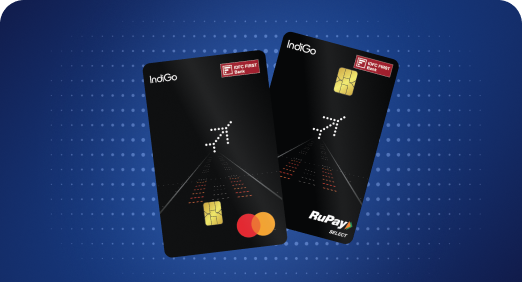


A Card that Powers your Savings & Lifestyle
IDFC FIRST Bank HPCL Credit Card









Most Searched
Earn up to 7% interest on your Savings Account
Open Account Now
Download our app
Get instant help for all your queries in one place
Unlock features, exclusively available
only on the IDFC FIRST Bank app
Trusted by 1.2+ million Indians.


4.8

4.8

Tools & Calculators
Privilege Program



Tools & Calculators

Unlock features, exclusively available
only on the IDFC FIRST Bank app
 The outstanding amount is the total amount currently due on your credit card, including purchases, fees, interest, and any unpaid balances.
Outstanding, current, and statement balances each serve different purposes and have distinct implications.
A high outstanding balance can negatively affect your credit score.
Interest charges apply to outstanding amounts if not paid in full within the due date.
The outstanding amount is the total amount currently due on your credit card, including purchases, fees, interest, and any unpaid balances.
Outstanding, current, and statement balances each serve different purposes and have distinct implications.
A high outstanding balance can negatively affect your credit score.
Interest charges apply to outstanding amounts if not paid in full within the due date.
Credit cards have become an integral part of personal finance, providing access to credit for a range of expenses, from daily purchases to larger financial commitments. They offer benefits like reward points, cashback offers, and special discounts. However, the convenience of credit cards comes with the responsibility to manage expenses carefully to avoid debt accumulation. One of the most critical aspects of credit card management is understanding your balance.
Your credit card balance can be confusing due to the different terms used, such as "current balance," "statement balance," and "outstanding amount." Each of these terms reflects a different aspect of your credit usage and repayment cycle. Knowing the differences can help you manage your finances better and avoid penalties, interest charges, and damage to your credit score.
The outstanding amount on a credit card refers to the total sum of money you owe to the bank or financial institution at any given time. This amount includes any unpaid purchases, fees, interest charges, and other transactions that have not yet been paid off.
It is essentially the total of all transactions made using your credit card, minus any payments you have already made. The outstanding amount continues to increase with new transactions or accrues interest if not paid by the due date. Paying off the outstanding amount on or before the due date helps you avoid interest charges and late fees, thereby maintaining a healthy credit score and financial discipline.
Understanding the differences between the outstanding balance, current balance, and statement balance is crucial for managing your credit card expenses effectively. Each of these balances reflects a different state of your credit card usage and has distinct implications.
1. Outstanding balance: The outstanding balance is the total amount you owe on your credit card at any point in time, including any new purchases, fees, or interest charges that have not been paid. This balance can change daily as new transactions are made or payments are posted. It represents the immediate financial obligation you have to the bank and impacts interest calculations.
2. Current balance: The current balance includes all charges and payments made on your card, including any transactions since your last statement. It updates in real time, reflecting all ongoing transactions. This balance gives you the most recent picture of your total debt but is not the amount due immediately.
3. Statement balance: The statement balance is the amount you owed at the end of the last billing cycle, which is the total of all transactions and charges within that period. It remains constant throughout the billing period until the next statement is generated. This is the amount you need to pay by the due date to avoid interest charges on new purchases.
| Aspect | Outstanding Balance | Current Balance | Statement Balance |
| Definition | Total amount owed including recent transactions and fees | Total of all charges and payments, real-time | Amount owed at the end of the last billing cycle |
| Updates | Daily, with every new transaction or payment | Real-time | Monthly, at the end of each billing cycle |
| Relevance | Immediate obligation and impacts interest calculation | Latest picture of total debt | Must be paid by due date to avoid interest |
To understand what outstanding amount of a credit card is, it is important to know how it is calculated. The current outstanding balance represents the total amount you owe at a given point in time, including transactions, interest, and applicable charges.
Let us consider an example for clarity:
Opening balance: ₹8,000
New purchases during the billing cycle: ₹6,000
Payment made: ₹2,500
Interest charged: ₹250
Additional fees: ₹150
Outstanding Balance = Opening Balance + Purchases – Payments + Interest + Fees
Outstanding Balance = ₹8,000 + ₹6,000 – ₹2,500 + ₹250 + ₹150 = ₹11,900
This final amount of ₹11,900 will be the answer to the question ‘what is the outstanding balance on your credit card’. It reflects your total dues and keeps changing with every transaction, payment, or charge applied to your account.
Companies that issue credit cards assign specific credit limits (spending limits) on your cards. The outstanding amount on your credit card helps determine how much credit (money left to spend) you have available. Subtract your outstanding credit card balance from your credit limit to find how much you can spend
Understanding what credit card outstanding amount is and monitoring it regularly is essential for responsible credit usage.
Better expense control: Tracking your outstanding balance helps you stay within your credit limit and avoid over-limit charges.
Improved budgeting: You can plan your monthly expenses efficiently and avoid unnecessary debt accumulation.
Timely repayments: Being aware of your dues ensures you pay on time, avoiding late fees and high interest.
Healthy credit profile: Consistent monitoring and repayment contribute to the maintenance of a strong credit score.
Regular tracking ensures that your credit card remains a convenient financial tool rather than a burden.
Managing your outstanding balance effectively requires discipline and smart financial habits. Consider the following tips:
Pay more than the minimum due: This helps reduce your principal faster and lowers overall interest costs.
Prioritise high-interest balances: Clearing these first can significantly reduce your financial burden.
Set payment reminders: Use alerts or auto-debit options to ensure you never miss a due date.
Limit new spending: Avoid additional purchases while you are working towards reducing your balance.
Consider balance transfer options: Transferring dues to a card with lower interest can help you save on interest payments.
Adopting these practices will help you manage your credit efficiently and maintain financial discipline.
Understanding outstanding balances on your credit card is essential for effective financial management. By regularly tracking your current outstanding amount, you can control spending, avoid unnecessary charges, and ensure timely repayments. Practising disciplined usage, such as paying more than the minimum due and limiting new expenses, can help reduce debt faster. With the right approach, your credit card can remain a powerful and convenient financial tool that supports your long-term financial well-being.
The outstanding amount on a credit card is the total amount you owe to the card issuer at any given time. It includes all purchases, cash withdrawals, EMIs, interest charges, fees, and taxes that have not yet been repaid. This amount is reflected in your billing statement and keeps changing on the basis of your transactions and payments.
The outstanding balance is calculated using the formula:
Outstanding Balance = Previous Balance + New Purchases + Interest + Fees – Payments Made
For example, if your previous balance is ₹8,000, new spends are ₹4,000, and you pay ₹3,000, with ₹200 as interest and fees, your outstanding balance becomes ₹9,200. This running balance is updated continuously until the billing cycle ends.
Yes, a high outstanding balance can negatively impact your credit score. It increases your credit utilisation ratio, which is a key factor in credit scoring. Consistently using a large portion of your credit limit may signal higher risk to lenders and reduce your creditworthiness.
To reduce your outstanding balance, aim to pay more than the minimum amount due each month. Prioritise clearing high-interest balances first, avoid new purchases while repaying dues, and consider balance transfer options if available. Having a repayment plan in place and making timely payments can help you regain control and improve your financial health.
The features, benefits and offers mentioned in the article are applicable as on the day of publication of this blog and is subject to change without notice. The contents herein are also subject to other product specific terms and conditions and any third party terms and conditions, as applicable. Please refer our website www.idfcfirst.bank.in for latest updates.


Earn IndiGo BluChips | Redeem on IndiGo flights | Power of Dual cards | 1.49% Forex Mark Up

Lounge access, 10X Reward, ₹4000 cashback, Zero Forex, Spa, Golf access

Fuel Card, 5% fuel savings, 2.5% Grocery & Utility Savings, 0 interest cash

Zero Annual Fee, Complimentary airport lounge access, Low forex mark-up at 1.99%, Buy-1-Get-1 Movie ticket offers







Earn IndiGo BluChips | Redeem on IndiGo flights | Power of Dual cards | 1.49% Forex Mark Up
Know MoreNo Annual Fee, 25% Off on movie tickets, 24/7 Roadside assistance, 1% Fuel Surcharge waiver
Know More