












Login to Internet banking
A brand-new experience - smarter, faster, and secured


Introducing the First-in-industry IDFC FIRST Bank's Super Account
Request a Callback
You gain a dedicated partner committed to helping you reach your full potential and achieve new heights
Know More
BRAVO (Auto Sweep)
Convert the idle funds in your current account into a fixed deposit with the BRAVO feature.
Know More
Zero Forex Markup Current Account
Maximise your savings and boost profitability with our Zero Forex Markup current accounts
Know More
Make more than one online payment in just a few clicks with IDFC FIRST Bank Bulk Payments
Know More





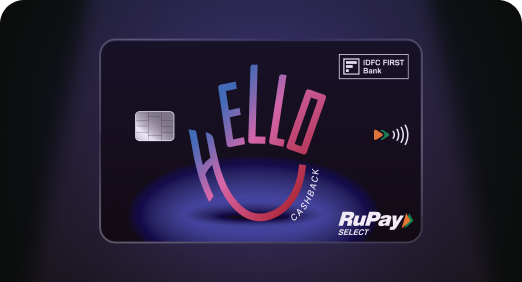
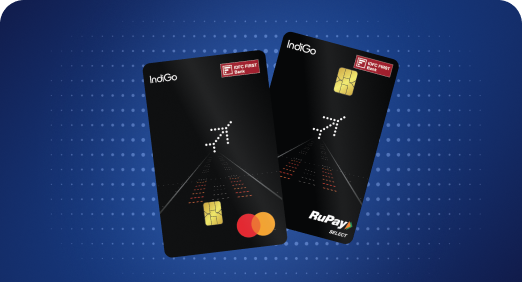

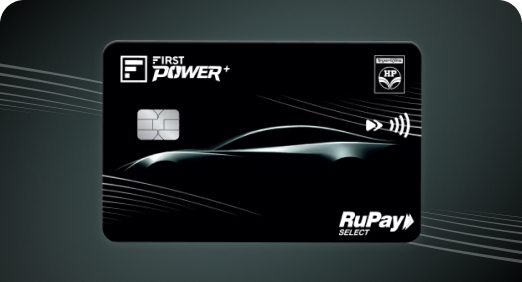
A Card that Powers your Savings & Lifestyle
IDFC FIRST Bank HPCL Credit Card






Most Searched

Earn up to 6.50% interest on your Savings Account
Open Account Now
Download our app
Get instant help for all your queries in one place
Unlock features, exclusively available
only on the IDFC FIRST Bank app
Trusted by 1.2+ million Indians.


4.8

4.8

Tools & Calculators
Privilege Program



Tools & Calculators

Unlock features, exclusively available
only on the IDFC FIRST Bank app
Savings Account
 Monsoon season is a natural checkpoint to review your budget and plan for seasonal costs.
Setting money aside for seasonal emergencies protects you from unplanned repairs, medical costs and travel disruptions.
A savings account with monthly interest credit and easy access helps your funds stay both liquid and productive.
Monsoon season is a natural checkpoint to review your budget and plan for seasonal costs.
Setting money aside for seasonal emergencies protects you from unplanned repairs, medical costs and travel disruptions.
A savings account with monthly interest credit and easy access helps your funds stay both liquid and productive.
Monsoon brings its own set of financial surprises, from sudden home repairs to medical bills, rain gear costs and transport delays. Building an emergency savings plan before the rains set in gives you a cushion to handle these costs without disrupting your monthly budget and helps avoid dipping into money set aside for other goals.
This blog looks at why monsoon is a good time to review your finances, the expenses to plan for and where to save emergency fund money so it stays accessible when you need it most.
Certain months call for a closer look at your money habits, and monsoon is one of them because:
Seasonal costs rise: Commuting, repairs and health expenses often increase during the monsoon months.
Budgets need updates: Reviewing your budget now helps you build in seasonal buffers early.
Habits get tested: The season reveals gaps in your regular spending and saving pattern.
A few costs tend to show up once the rains set in. Here are the ones to watch out for:
Home repairs: Leakages, waterproofing and electrical fixes are common during heavy rains.
Health costs: Seasonal illnesses often bring doctor visits and medicine expenses.
Travel disruption: Delayed commutes, vehicle upkeep and using costlier options like cabs when trains stop due to waterlogging, for example, can add unplanned cost.
Utility spikes: Extra use of heaters and dehumidifiers can raise electricity bills.
Wardrobe changes: Waterproof footwear, waterproof bags or bag-covers, umbrellas or raincoats and other rain gear can add costs.
Setting money aside for a buffer changes how you handle the unexpected, and here is how:
Covers emergencies: A buffer means unplanned repairs or medical bills do not disturb your monthly budget.
Reduces stress: Having funds set aside gives you the confidence to handle surprises calmly.
Helps avoid borrowing: A ready buffer removes the need for high-cost short-term loans or credit card debt to cover extra seasonal expenses.
Builds habits: Saving regularly as part of your emergency savings plan strengthens financial discipline over time.
Protects goals: A buffer keeps your long-term savings for a holiday or a big purchase untouched.
There is no fixed number, but a few simple steps can help you land on one:
Track last year: Check last year’s monsoon spending in your bank statement to estimate this year's buffer.
Add a margin: If last year's monsoon expenses were around 20,000 rupees, for example, aim to set aside about 22,000 rupees (about 10% extra) this year to allow for rising costs.
Keep it separate: Hold your buffer in a dedicated savings account, apart from your regular spending money, so it stays ready when needed while also earning interest.
Knowing where to save emergency fund money matters as much as what you are saving. The savings account you choose to save your money in should have the following:
Instant access: Choose an account that lets you withdraw your buffer anytime, giving you full flexibility.
Minimum balance: Check the minimum balance requirement so your buffer works efficiently for you.
Deposit insurance: Your savings deposits should have DICGC cover, which insures balances up to five lakh rupees per bank.
UPI linked: A linked UPI or debit card lets you pay for repairs or medicines instantly.
The IDFC FIRST Bank Savings Account is built to keep your money both accessible and productive, making it a practical answer to where to save emergency fund ahead of monsoon. Here is what makes it well suited for holding your seasonal buffer:
Monthly credit: Interest is credited every month, so your buffer keeps earning instead of sitting idle until the next quarter.
Progressive rates: Balances earn savings account interest rates up to 6.50% p.a. on applicable slabs, rewarding a larger monsoon buffer.
Digital onboarding: Open an account online with Video KYC in 5 minutes, useful if you want to open an account just before the season starts.
Easy tracking: The #1-rated mobile banking app helps you check and move funds easily anytime, anywhere, especially helpful during travel disruptions.
Preparing for monsoon-related expenses starts with a clear look at your monthly budget and a dedicated buffer for the unexpected. Reviewing your finances early, tracking common seasonal costs and choosing an account that keeps your savings accessible and growing can help you stay financially steady through the season, be it rain or shine.
A general guideline is to set aside three to six months of essential expenses, plus a buffer of 5,000 to 10,000 rupees for monsoon-specific costs like repairs or medical needs. This may vary based on your location and usual seasonal expenses.
A savings account is usually better suited for emergency funds since it offers instant access to your money. Fixed deposits may offer higher returns, but early withdrawal can involve penalties, which defeats the purpose of an emergency fund.
It is best to start reviewing your budget a month or two before the monsoon season starts. This gives you time to build your buffer, address any pending repairs and set aside funds for seasonal costs that tend to come back each year before the rains set in.
The contents of this article/infographic/picture/video are meant solely for information purposes. The contents are generic in nature and for informational purposes only. It is not a substitute for specific advice in your own circumstances. The information is subject to updation, completion, revision, verification and amendment and the same may change materially. The information is not intended for distribution or use by any person in any jurisdiction where such distribution or use would be contrary to law or regulation or would subject IDFC FIRST Bank or its affiliates to any licensing or registration requirements. IDFC FIRST Bank shall not be responsible for any direct/indirect loss or liability incurred by the reader for taking any financial decisions based on the contents and information mentioned. Please consult your financial advisor before making any financial decision.
The features, benefits and offers mentioned in the article are applicable as on the day of publication of this blog and is subject to change without notice. The contents herein are also subject to other product specific terms and conditions and any third party terms and conditions, as applicable. Please refer our website www.idfcfirst.bank.in for latest updates.


You will earn