








Login to Internet banking
A brand-new experience - smarter, faster, and secured



You gain a dedicated partner committed to helping you reach your full potential and achieve new heights
Know More
BRAVO (Auto Sweep)
Convert the idle funds in your current account into a fixed deposit with the BRAVO feature.
Know More
Zero Forex Markup Current Account
Maximise your savings and boost profitability with our Zero Forex Markup current accounts
Know More



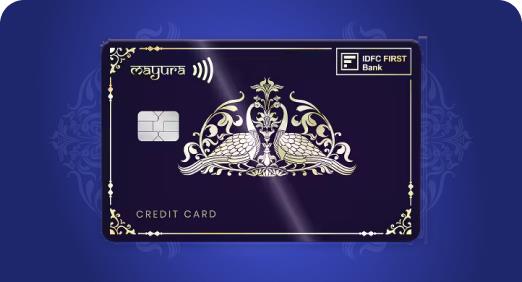

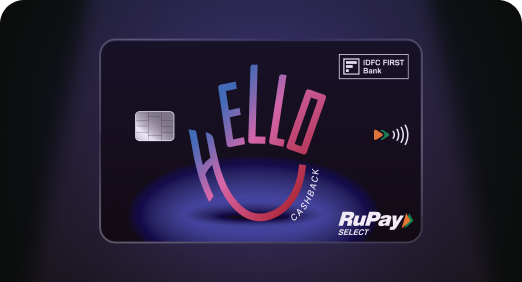
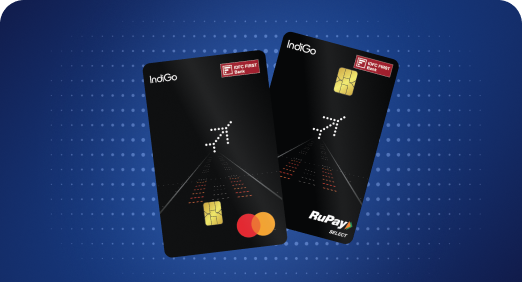

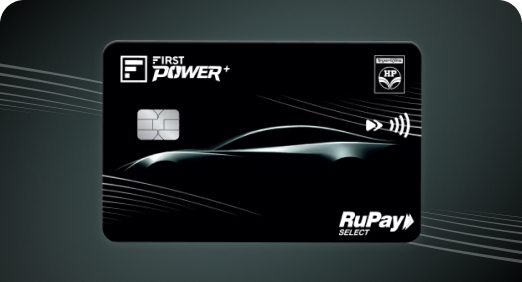
A Card that Powers your Savings & Lifestyle
IDFC FIRST Bank HPCL Credit Card









Most Searched
Earn up to 7% interest on your Savings Account
Open Account Now
Download our app
Get instant help for all your queries in one place
Unlock features, exclusively available
only on the IDFC FIRST Bank app
Trusted by 1.2+ million Indians.


4.8

4.8

Tools & Calculators
Privilege Program



Tools & Calculators

Unlock features, exclusively available
only on the IDFC FIRST Bank app
Savings Account
 Avoid common financial mistakes like overspending, excessive credit card use, and delaying savings.
Starting to save early helps build financial discipline, a strong savings corpus, and long-term financial security.
Build smart money habits from your first salary by saving regularly, setting financial goals, and planning for taxes.
Avoid common financial mistakes like overspending, excessive credit card use, and delaying savings.
Starting to save early helps build financial discipline, a strong savings corpus, and long-term financial security.
Build smart money habits from your first salary by saving regularly, setting financial goals, and planning for taxes.
Securing your first job in your twenties marks an important financial milestone. After years of education, you begin to earn independently and contribute through your work. At this stage, it is important to establish sound financial habits. The choices you make now can influence your long-term financial well-being.
This blog highlights key takeaways for first-time earners: avoid common money mistakes, start saving as early as possible, and build small habits today for favourable long-term results.
First-time earners often encounter common financial mistakes. Awareness of these can support better financial decisions.
Spending on personal interests is expected when starting to earn. However, consistent overspending can impact current finances and may become a long-term habit. Setting a defined leisure budget can help manage discretionary expenses.
A credit card provides access to a pre-approved credit line and supports convenient transactions. The EMI facility can assist with repayment. Excessive use of credit cards, however, may result in long-term debt. Monitoring spending and maintaining a balanced debt-to-income ratio can help prevent financial strain.
Insurance serves as a financial safeguard at every stage of life. With rising healthcare costs and early diagnoses of medical conditions, maintaining adequate insurance coverage is increasingly important. Reviewing available options and securing appropriate coverage can support long-term financial stability.
Early career stages often provide a longer investment horizon. Delaying investment can reduce potential long-term benefits. Starting with small, regular contributions across diverse options can help build a stable financial foundation.
Starting to save early sets a strong foundation for long-term financial health. Here is how:
Starting to save early can help build long-term financial discipline and support better money management during different life stages.
When you begin saving early, your initial contributions might be modest, especially if your income is just starting to grow. However, it is important to continue making these contributions, as they will add up over time and help you build a strong savings foundation.
If you are just starting your career, you have the advantage of time, which allows you to take calculated risks with your investments or even explore entrepreneurial opportunities. Before taking these steps, it is important to begin saving so you have a reliable financial cushion to support you in case of unexpected events.
Here are a few effective money habits to develop from your first salary credit:
A savings account is a fundamental banking tool and an underrated savings instrument. Open savings account online with IDFC FIRST Bank to securely park your money, do seamless banking, and earn a competitive interest rate of 7% per annum.
Once you start saving, have a goal you want to achieve. It can be a short- or long-term goal for personal growth or leisure. Setting goals keeps you motivated to contribute and gradually turns them into reality.
As a first-time earner, you may or may not fall under the income tax bracket, but in either case, it is important to plan for taxation. Planning for taxation is essential to prevent unnecessary tax losses when you begin paying taxes and to ensure compliance with government rules.
As a first-time earner, feel proud and excited, but also be responsible. Don’t overindulge or skip key financial steps, this can harm your future. Start saving early and develop smart habits from your first paycheque for long-term benefits.
As a first-time earner, avoid overspending, excessive credit card usage, delaying investing, and skipping insurance purchases.
Starting to save early cultivates financial discipline (a life skill), builds a significant corpus over time, and improves your risk appetite.
Use a savings account not just for banking, but as a tool for your savings, set clear goals & work toward them, and plan for taxation.
The contents of this article/infographic/picture/video are meant solely for information purposes. The contents are generic in nature and for informational purposes only. It is not a substitute for specific advice in your own circumstances. The information is subject to updation, completion, revision, verification and amendment and the same may change materially. The information is not intended for distribution or use by any person in any jurisdiction where such distribution or use would be contrary to law or regulation or would subject IDFC FIRST Bank or its affiliates to any licensing or registration requirements. IDFC FIRST Bank shall not be responsible for any direct/indirect loss or liability incurred by the reader for taking any financial decisions based on the contents and information mentioned. Please consult your financial advisor before making any financial decision.
The features, benefits and offers mentioned in the article are applicable as on the day of publication of this blog and is subject to change without notice. The contents herein are also subject to other product specific terms and conditions and any third party terms and conditions, as applicable. Please refer our website www.idfcfirst.bank.in for latest updates.


You will earn