









Login to Internet banking
A brand-new experience - smarter, faster, and secured



You gain a dedicated partner committed to helping you reach your full potential and achieve new heights
Know More
BRAVO (Auto Sweep)
Convert the idle funds in your current account into a fixed deposit with the BRAVO feature.
Know More
Zero Forex Markup Current Account
Maximise your savings and boost profitability with our Zero Forex Markup current accounts
Know More



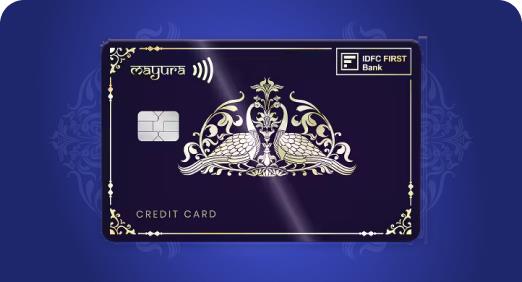

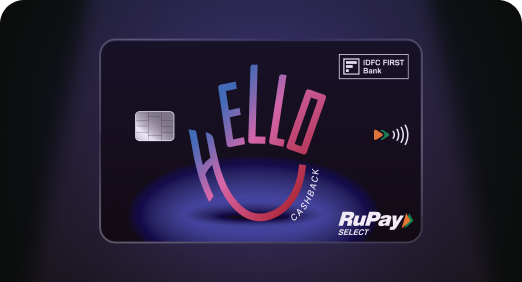
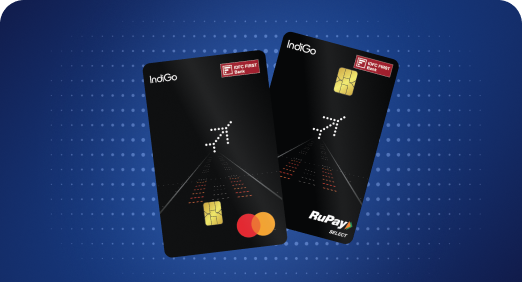

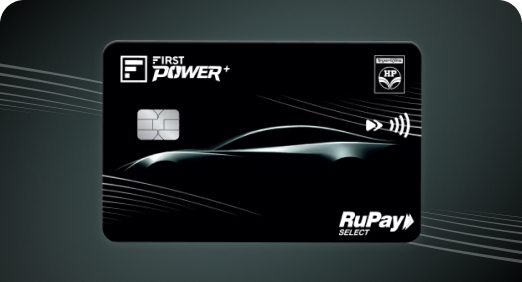
A Card that Powers your Savings & Lifestyle
IDFC FIRST Bank HPCL Credit Card









Most Searched
Earn up to 7% interest on your Savings Account
Open Account Now
Download our app
Get instant help for all your queries in one place
Unlock features, exclusively available
only on the IDFC FIRST Bank app
Trusted by 1.2+ million Indians.


4.8

4.8

Tools & Calculators
Privilege Program



Tools & Calculators

Unlock features, exclusively available
only on the IDFC FIRST Bank app
Savings Account
 Teaching children to save from an early age can shape how they manage money as young adults.
Simple habits such as using a divided piggy bank, saving pocket money and comparing prices can make saving practical for children.
A dedicated savings account or goal-based jar can help children understand patience, financial goals and how money grows.
Teaching children to save from an early age can shape how they manage money as young adults.
Simple habits such as using a divided piggy bank, saving pocket money and comparing prices can make saving practical for children.
A dedicated savings account or goal-based jar can help children understand patience, financial goals and how money grows.
Children learn how to handle money mostly by watching and doing, not by being told. Introducing the best money saving habits while they are young shapes how they treat money as adults, from setting aside pocket money to understanding why a goal is worth waiting for.
Financial gifts beyond cash, such as a savings account or a labelled goal jar, teach patience and ownership in ways a cash envelope rarely does. Only about 27% of Indians are estimated to be financially literate, according to a 2019 national survey by the National Centre for Financial Education, which makes early money lessons at home even more valuable.
Divided piggy bank: A piggy bank split into save, spend and share sections helps children see progress visually.
Chore-linked pocket money: Weekly pocket money tied to simple chores builds the connection between effort and money.
Price comparisons: Involving children in small shopping decisions, like comparing prices before buying, introduces practical money saving habits without it feeling like a lesson.
Consistency over amount: Saving a small amount every week matters more than the total saved.
Sovereign gold bonds: A small gold bond in a child's name shows how money grows steadily over time.
Mutual fund SIP: Starting a small SIP in a child's name introduces long-term investing early.
Financial literacy games: Money-themed board games and picture books make saving feel engaging.
Dedicated savings account: Opening a savings account for a child like the IDFC FIRST Bank Minor's Savings Account acts as a financial gift beyond cash that gives them a real place to watch money grow.
Goal-based jar: A labelled jar for shorter goals, like a bicycle, works well alongside a bank account for bigger ones.
A financial gift that grows over months, rather than one spent in a day, teaches children to wait for a bigger reward instead of an instant one. Watching a savings account balance rise after each birthday or festival deposit makes the idea of compound growth concrete.
Among the best money saving habits a financial gift can instil is not treating small, regular deposits as optional. This hands-on experience builds patience that no lecture on money can replace.
The habits formed in childhood set the base for good financial habits for young adults later, especially once teenagers start managing their own pocket money or part-time earnings. Encouraging a teenager to track monthly spending in a simple notebook or app builds awareness before they have to take on real financial responsibilities like rent or tuition.
Letting them make small money mistakes like overspending on a hobby one month teaches budgeting far better than constant correction could. By the time they open their first independent bank account, these lessons feel familiar.
Model your habits: Parents modelling their own money saving habits, like sticking to a monthly budget, sends a stronger message than any instruction.
Match their savings: Matching a portion of what your child saves, similar to how employers match retirement contributions, makes saving feel rewarding.
Visible goal chart: A goal chart on the fridge, updated after each deposit, keeps younger children motivated between milestones.
Talk about money: Discussing family money decisions in age-appropriate terms, such as why a big purchase was postponed, normalises financial conversations at home.
A dedicated savings account gives a child a real, visible place to watch money grow instead of a drawer full of cash. Here are benefits of the IDFC FIRST Bank's Minor Savings Account :
No minimum balance*: The account operating under-guardian has no minimum balance requirement, so parents can open it without worrying about maintaining a balance for a young saver.
Interest up to 7% p.a.: Interest is credited every month instead of quarterly like most banks, letting a child see savings grow more often.
Full parental access: Parents get full net and mobile banking access to track deposits as the child learns to manage the account.
Free education cover: With the Platinum Debit Card variant, the Minor's Savings Account also comes with a free child education cover worth ₹5 lakh, adding a safety net alongside the savings.
*The self-operated account variant has a 10K AMB.
Teaching children to save money is less about the amount of money involved and more about steady, repeatable habits. From simple separate piggy banks to financial gifts like a dedicated savings account, each step gives children a hands-on way to understand patience, goals and growth.
Practising the best money saving habits regularly together as a family is what makes them stick well into young adulthood. Small, consistent steps taken today shape confident money habits for the children for years to come.
Use a divided piggy bank, link pocket money to simple chores and encourage children to save a small amount consistently. Among the best ways to teach children saving habits, is opening a minor savings account for them. IDFC FIRST Bank offers self-operated as well as under-guardian Minor Savings Account variants.
Early saving habits help children understand patience, goals and money growth while building the foundation for good financial habits as young adults.
Parents can model good money habits, involve children in price comparisons, use visible savings goals and discuss money in age-appropriate ways.
The contents of this article/infographic/picture/video are meant solely for information purposes. The contents are generic in nature and for informational purposes only. It is not a substitute for specific advice in your own circumstances. The information is subject to updation, completion, revision, verification and amendment and the same may change materially. The information is not intended for distribution or use by any person in any jurisdiction where such distribution or use would be contrary to law or regulation or would subject IDFC FIRST Bank or its affiliates to any licensing or registration requirements. IDFC FIRST Bank shall not be responsible for any direct/indirect loss or liability incurred by the reader for taking any financial decisions based on the contents and information mentioned. Please consult your financial advisor before making any financial decision.
The features, benefits and offers mentioned in the article are applicable as on the day of publication of this blog and is subject to change without notice. The contents herein are also subject to other product specific terms and conditions and any third party terms and conditions, as applicable. Please refer our website www.idfcfirst.bank.in for latest updates.


You will earn