









Login to Internet banking
A brand-new experience - smarter, faster, and secured





You gain a dedicated partner committed to helping you reach your full potential and achieve new heights
Know More
BRAVO (Auto Sweep)
Convert the idle funds in your current account into a fixed deposit with the BRAVO feature.
Know More
Zero Forex Markup Current Account
Maximise your savings and boost profitability with our Zero Forex Markup current accounts
Know More






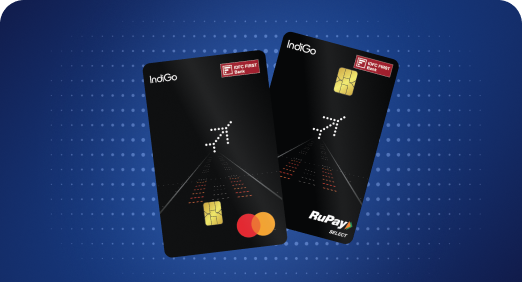

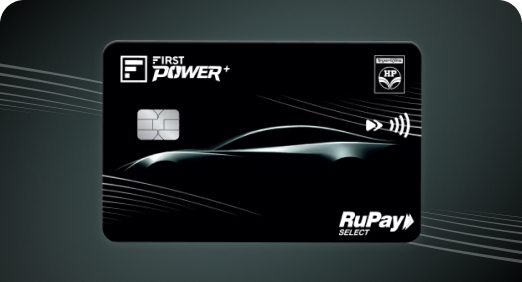
A Card that Powers your Savings & Lifestyle
IDFC FIRST Bank HPCL Credit Card









Most Searched
Earn up to 7% interest on your Savings Account
Open Account Now
Download our app
Get instant help for all your queries in one place
Unlock features, exclusively available
only on the IDFC FIRST Bank app
Trusted by 1.2+ million Indians.


4.8

4.8

Tools & Calculators
Privilege Program



Tools & Calculators

Unlock features, exclusively available
only on the IDFC FIRST Bank app
Savings Account
 Interest earned from savings accounts is taxable under “Income from Other Sources”, but no tax is deducted at source (no TDS).
You can claim a tax exemption of up to ₹10,000 per year under Section 80TTA, or ₹50,000 if you’re a senior citizen under Section 80TTB.
The ₹10K AMB and ₹25K AMB savings account variants from IDFC FIRST Bank offer monthly interest credits, enabling faster compounding and more taxable income, yet these are low in maintenance.
An IDFC FIRST Bank savings account combines high interest and tax exemptions, making it an excellent tool for building wealth without sacrificing liquidity.
Interest earned from savings accounts is taxable under “Income from Other Sources”, but no tax is deducted at source (no TDS).
You can claim a tax exemption of up to ₹10,000 per year under Section 80TTA, or ₹50,000 if you’re a senior citizen under Section 80TTB.
The ₹10K AMB and ₹25K AMB savings account variants from IDFC FIRST Bank offer monthly interest credits, enabling faster compounding and more taxable income, yet these are low in maintenance.
An IDFC FIRST Bank savings account combines high interest and tax exemptions, making it an excellent tool for building wealth without sacrificing liquidity.
Is the interest earned on your savings account taxable? The answer is yes. Not only is this question important for financial planning, but also for understanding your tax liabilities. In India, interest earned on your savings account is taxable. However, the Income Tax Act provides some exemptions that can help reduce your tax burden. The key is understanding when interest becomes taxable, how much is exempt, and how to report it properly. The silver lining to tax liabilities on savings account interests is that there is no TDS (Tax Deducted at Source) applicable. But that does not mean you can skip declaring it. You’re expected to report it under the “Income from Other Sources” header while filing your ITR.
According to the guidelines laid down by the Reserve Bank of India (RBI), interest on savings accounts is determined daily on the closing balance. Although the interest on a savings account is calculated daily, it is credited to your account monthly, quarterly, or half-yearly.
Interest on a savings account is calculated using the formula below:
Monthly interest = Daily closing amount * Rate of interest * Days in month / (Days in a year)
Interest generated on a savings account is tax-free up to ₹10,000, under section 80TTA of the Income Tax Act. The interest on the savings account will be taxable in the hands of the recipient if the interest earned from these accounts exceeds ₹10,000.
An account holder can calculate the cumulative interest income earned from the different savings accounts during the financial year for the purpose of calculating the threshold of ₹10,000.
For senior citizens, aged 60 and above, Section 80TTB of the Income Tax Act extends the deduction limit to ₹50,000 per annum on interest earned from savings accounts, fixed deposits, and recurring deposits held with banks, or co-operative societies. This broader scope of eligible interest sources provides significant tax relief, recognising the financial needs and limited income opportunities for senior citizens.
Section 80TTA of the Income Tax Act, 1961, provides a tax deduction for individuals and Hindu Undivided Families (HUFs) on interest income from savings accounts. This deduction is applicable to interest earned from savings accounts held with banks, post offices, or co-operative societies. The maximum deduction allowed under Section 80TTA is ₹10,000 per annum.
It is important to note that this benefit does not extend to interest earned on fixed deposits, recurring deposits, or any other type of time deposits. To avail this deduction, the interest income must be reported in the taxpayer’s annual income tax return.
Senior citizens in India enjoy several tax benefits designed to ease their financial burden.
Tax is inevitable but with smarter savings and the right banking partner, you can keep more of what you earn.
Here are some key points to note about minimising tax on interest earned on a savings account:
While tax exemptions give you some breathing space, choosing the right bank account can further boost your earnings. Here’s how IDFC FIRST Bank helps:
The monthly credit frequency paired with these benefits makes IDFC FIRST Bank a strong contender for anyone looking to save smart and reduce tax liabilities.
Interest on your savings account may be taxable, but smart choices like claiming tax exemptions and choosing a high-interest, monthly-compounding account, let you keep more of your earnings. IDFC FIRST Bank’s savings accounts combine strong interest rates, monthly compounding, and useful benefits like insurance, lounge access, and low maintenance.
Open an IDFC FIRST Bank Savings Account today and make every Rupee count. Visit our website or call 1800 10 888 for more details.
The contents of this article/infographic/picture/video are meant solely for information purposes. The contents are generic in nature and for informational purposes only. It is not a substitute for specific advice in your own circumstances. The information is subject to updation, completion, revision, verification and amendment and the same may change materially. The information is not intended for distribution or use by any person in any jurisdiction where such distribution or use would be contrary to law or regulation or would subject IDFC FIRST Bank or its affiliates to any licensing or registration requirements. IDFC FIRST Bank shall not be responsible for any direct/indirect loss or liability incurred by the reader for taking any financial decisions based on the contents and information mentioned. Please consult your financial advisor before making any financial decision.
The features, benefits and offers mentioned in the article are applicable as on the day of publication of this blog and is subject to change without notice. The contents herein are also subject to other product specific terms and conditions and any third party terms and conditions, as applicable. Please refer our website www.idfcfirst.bank.in for latest updates.


You will earn